Idaho's Admission as the 43rd State of the United States
1890 · Boise, United States
Idaho was admitted as the 43rd state of the United States.
August 1, 1876
Colorado was admitted as the 38th state of the United States of America.
Denver, United States | United States Congress
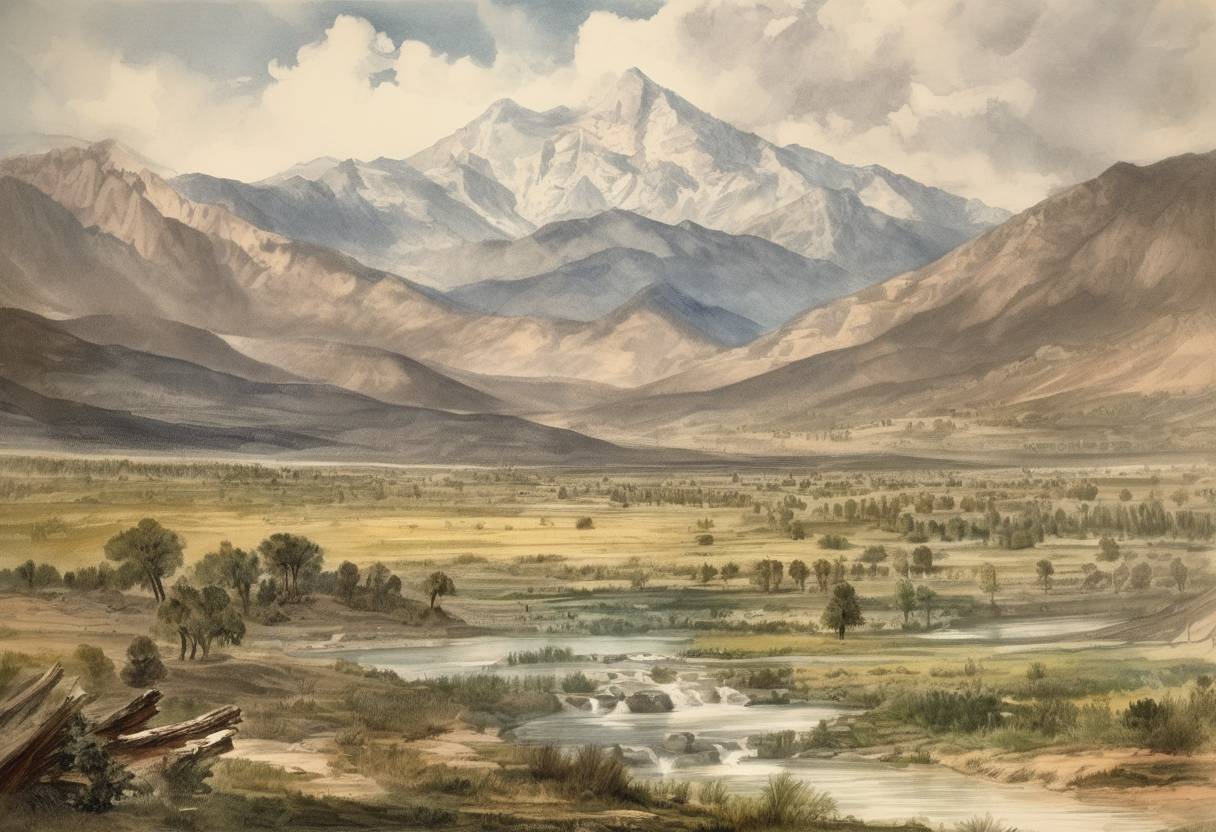
On August 1, 1876, Colorado was officially admitted to the United States as the 38th state. This event marked a significant expansion of the Union during a period of rapid growth and development in the American West.
Territorial Beginnings: Colorado’s journey to statehood began with the Pike’s Peak Gold Rush in 1858-59, which attracted a large influx of settlers to the region. This led to the establishment of the Colorado Territory on February 28, 1861, by an act of Congress signed by President James Buchanan.
Civil War Era: During the Civil War, Colorado played a strategic role due to its mineral resources and location. The territory contributed troops to the Union cause, and its economy benefited from the demand for minerals.
Push for Statehood: After the Civil War, there was a strong push for statehood driven by the growing population and economic potential of the region. The residents of Colorado were eager to gain full representation in Congress and more control over their local affairs.
Enabling Act of 1875: The path to statehood was formalized with the passage of the Colorado Enabling Act on March 3, 1875. This act allowed the people of Colorado to draft a state constitution and establish a state government.
Constitutional Convention: A constitutional convention was held in Denver in 1875, where delegates drafted a state constitution. This document was approved by the voters of Colorado in July 1876.
Presidential Proclamation: On August 1, 1876, President Ulysses S. Grant issued a proclamation admitting Colorado to the Union. This date was chosen to coincide with the centennial year of the United States, earning Colorado the nickname “The Centennial State.”
Economic Growth: Statehood facilitated further economic development in Colorado, particularly in mining, agriculture, and later, tourism. The state’s rich natural resources continued to attract investment and settlers.
Political Representation: With statehood, Colorado gained representation in the U.S. Congress, allowing its citizens to have a voice in national legislation and policy.
Cultural Impact: The admission of Colorado as a state symbolized the broader westward expansion of the United States and the integration of diverse territories into the Union.
Colorado’s admission as the 38th state was a pivotal moment in American history, reflecting the dynamic changes and growth of the nation during the late 19th century.
Source: en.wikipedia.org