Reoccupation of the Rhineland: March 7, 1936
1936 · Rhineland, Germany
Nazi Germany reoccupied the Rhineland, violating the Treaty of Versailles and the Locarno Treaties.
December 17, 1925
The Locarno Treaties take effect, marking an effort to normalize relations in Europe and guarantee post-World War I western borders after a period of disillusionment and opposition.
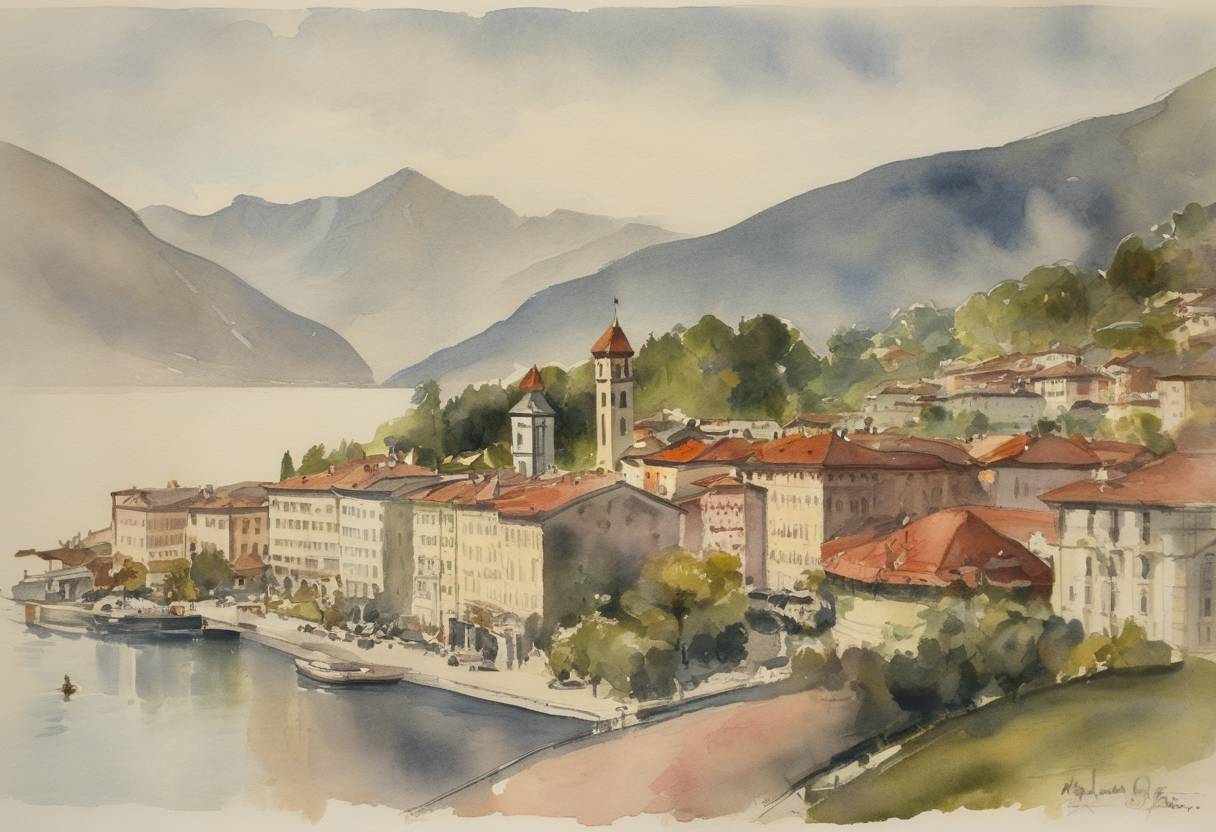
Locarno, Switzerland | Various European Nations
The implementation of the Locarno Treaties on December 17, 1925, was a pivotal moment in post-World War I European diplomacy. These accords symbolized a concerted effort to stabilize and normalize relationships in Western Europe amidst widespread disillusionment deriving from the aftermath of the Great War.
In the wake of World War I, Europe was rife with tension and uncertainty. The Treaty of Versailles had left many issues unresolved, creating fertile ground for animosity, particularly with Germany, which harbored grievances against the harsh conditions imposed upon it. The Weimar Republic faced significant internal and external challenges, further complicating the path to peace.
By the mid-1920s, key European nations recognized the necessity of redefining and securing their borders to reduce the likelihood of future conflicts. This realization led to negotiations resulting in the Locarno Treaties, named after the Swiss town where they were negotiated.
The Locarno Treaties comprised several interlinked agreements designed to ensure mutual security and territorial integrity in Europe:
The Rhineland Pact: Germany, France, and Belgium agreed to respect their mutual borders as fixed by the Versailles Treaty. Britain and Italy were signatories as guarantors, agreeing to intervene if any party violated the pact.
Arbitration Conventions: Germany signed arbitration agreements with France and Belgium, promoting peaceful dispute resolution.
Mutual Assistance Pacts: Germany also signed treaties with Czechoslovakia and Poland, agreeing to resolve disputes amicably.
The Locarno Treaties marked a significant shift in European diplomacy, earning the period the title “Locarno Spring.” These accords represented a rare moment of cooperation, encouraging a detente between Germany and the Western powers and offering a fragile sense of security in Europe.
Crucially, the treaties facilitated Germany’s admission to the League of Nations in 1926, granting it equal standing among the European powers. The hope was to integrate Germany fully into the European community, thereby reinforcing collective security and preventing further aggression.
While the Locarno Treaties temporarily eased tensions, their impact was ultimately limited. They did not tackle the eastern borders of Germany or its ambitions in regions such as Poland, which would later become sources of renewed conflict. The treaties encapsulated a period of cautious optimism, but underlying hostilities persisted and, coupled with the economic turmoil of the Great Depression, eventually gave way to the rise of aggressive nationalism and the eruption of World War II.
The Locarno Treaties serve as a historical lesson in both the promises and limitations of diplomatic agreements focused on conflict prevention and peace stabilization amidst broader geopolitical uncertainties.
Source: www.britannica.com