State of Emergency Declared in Japan on January 14, 2021
2021 · Tokyo, Japan
The Japanese Prime Minister, Yoshihide Suga, declared a state of emergency in seven more prefectures to curb the resurgence of COVID-19 cases.
July 1, 2019
Japan announces tighter controls on exports of high-tech materials to South Korea, escalating a trade dispute over wartime labor issues.
Tokyo, Japan | Government of Japan
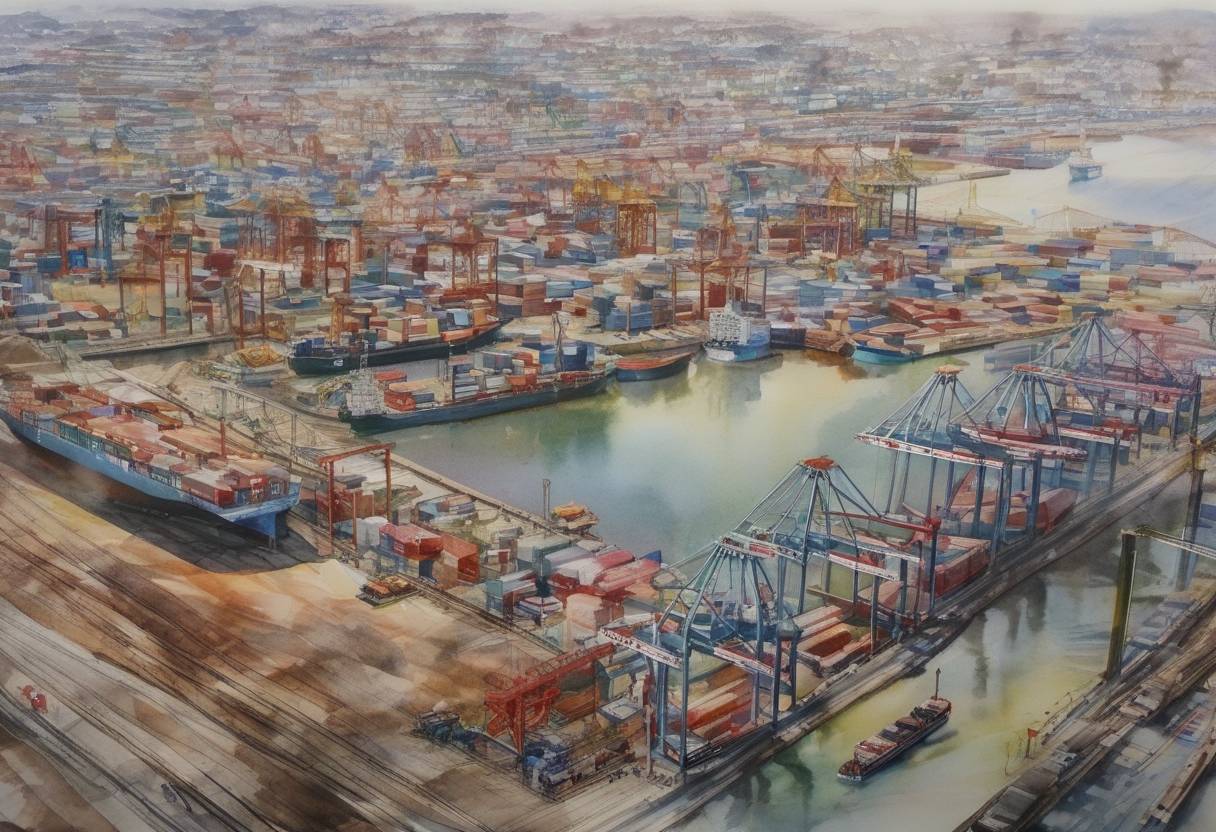
On July 1, 2019, Japan announced the implementation of stringent controls on the export of key high-tech materials to South Korea. These materials—fluorinated polyimides, resist polymers, and hydrogen fluoride—are essential in the production of semiconductors and display screens, critical sectors for South Korea’s technology industry.
The decision was situated against the backdrop of a long-standing historical and legal dispute between the two nations. The origins of the conflict lie in compensation claims by South Korean individuals for forced labor during Japan’s colonial rule over the Korean Peninsula from 1910 to 1945. In 2018, South Korean courts ruled that Japanese companies should compensate the victims of forced labor, a ruling that Japan argued was in violation of a 1965 agreement designed to settle claims.
The Japanese government stipulated that exporters now needed to apply for specific licenses for each of these material shipments to South Korea. This change introduced significant bureaucratic procedures that could extend the delivery timeline from a few days to up to 90 days. The move threatened to disrupt South Korea’s tech industry supply chains, given its reliance on these materials for producing memory chips and OLED displays.
This announcement marked a significant escalation in the bilateral conflict, transitioning tensions from diplomatic and historical arenas into trade and industry. South Korea perceived the measure as retaliatory and discriminatory, intensifying the strain between the two countries.
This trade action compounded a series of retaliatory measures and tit-for-tat actions, affecting bilateral trade relations severely and causing anxiety in global technology markets dependent on South Korean semiconductor and display output. The situation prompted both governments and international observers to call for dialogue and negotiation to prevent further economic repercussions and stabilize the regional economy.
In the following months, South Korea responded with economic and legal measures, and the dispute became a protracted issue that both affected domestic policies and required multilateral diplomatic interventions. The event highlighted the broader implications of unresolved historical grievances on contemporary international trade relations.
Source: www.reuters.com