Spanish Socialist Workers' Party Wins the General Election - October 28, 1982
1982 · Madrid, Spain
Spanish Socialist Workers' Party wins the general election, leading to the first socialist government in Spain since the Spanish Civil War.
November 20, 2011
Spain's general election results in the People's Party, led by Mariano Rajoy, winning a majority, which leads to a conservative government amid the eurozone crisis.
Madrid, Spain | People's Party
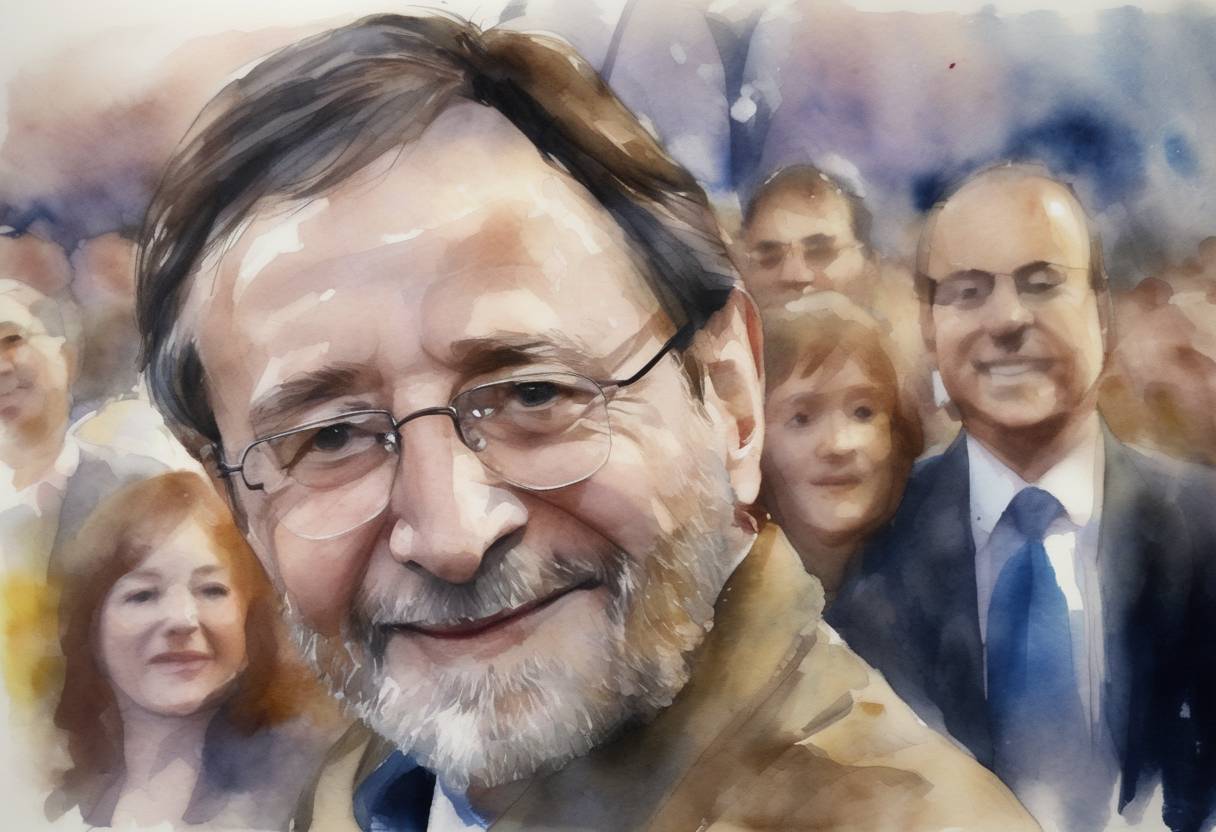
On November 20, 2011, Spain held a significant general election amid the ongoing eurozone crisis, which resulted in a decisive victory for the People’s Party (Partido Popular, PP). Led by Mariano Rajoy, the PP secured a majority in the Spanish Parliament, marking a substantial political shift in the country.
Spain was facing a severe economic crisis in 2011, characterized by high unemployment rates and significant public debt issues. The global financial crisis of 2008 had heavily impacted Spain’s economy, leading to a recession and a sharp rise in unemployment, which exceeded 20% by the time of the election. The preceding government, led by the Spanish Socialist Workers’ Party (Partido Socialista Obrero Español, PSOE) and Prime Minister José Luis Rodríguez Zapatero, was widely criticized for its handling of the economic situation.
People’s Party (PP): Mariano Rajoy’s party won a sweeping victory, securing 186 out of 350 seats in the Congress of Deputies, Spain’s lower house, giving them an absolute majority. This result demonstrated a strong public mandate and was one of the largest majorities since the restoration of democracy in Spain.
Spanish Socialist Workers’ Party (PSOE): The PSOE suffered a significant defeat, achieving only 110 seats, down from 169 in the previous election. This loss reflected public dissatisfaction with their economic management.
The election results paved the way for Mariano Rajoy to become the Prime Minister of Spain. His administration faced the immediate challenge of addressing Spain’s economic woes. Rajoy’s government embarked on implementing austerity measures, fiscal reforms, and policies aimed at stabilizing the economy and restoring international confidence. These actions were part of broader efforts across Europe to tackle the eurozone crisis.
Rajoy’s electoral victory was part of a wider trend in Europe during this period, where many governments experienced political shifts as public discontent with economic conditions led to changes in leadership. The People’s Party’s win in Spain was seen as a mandate to implement conservative economic policies at a time when traditional fiscal approaches were thought to be necessary to address the economic downturn.
The events of November 20, 2011, underscore the intersection of economic crises and political change, illustrating how economic conditions can dramatically influence electoral outcomes and policy directions.
Source: www.bbc.com