The Prohibition of Slavery in U.S. Territories: June 19, 1862
1862 · Washington D.C., United States
The U.S. Congress prohibits slavery in United States territories, nullifying the Dred Scott decision.
March 16, 1995
Mississippi formally ratified the 13th Amendment, which abolished slavery in the United States, although the ratification was not officially recognized until 2013.
Jackson, United States | State of Mississippi
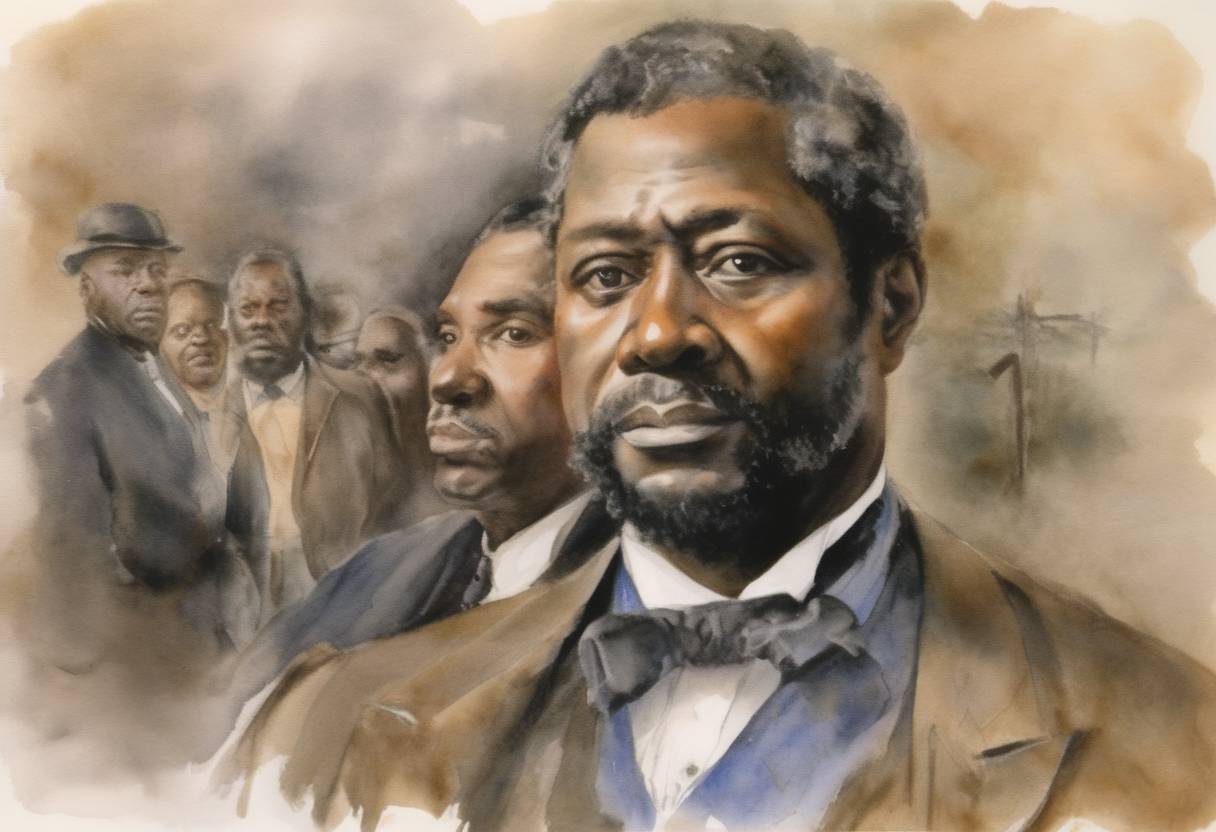
On March 16, 1995, the state of Mississippi formally ratified the 13th Amendment to the United States Constitution, which abolishes slavery. Although the amendment was adopted by Congress on December 6, 1865, Mississippi did not ratify it until 1995. The ratification in 1995 was primarily symbolic, yet it highlighted a significant moment in the state’s history of addressing its Civil War past.
The 13th Amendment was a landmark legislation in U.S. history, effectively ending the practice of slavery across the nation. By December 6, 1865, the required number of states had ratified the amendment, making it part of the Constitution. Historically, Mississippi abstained from ratifying the amendment at that time, due to resistance rooted in the economic and social structures dependent on slavery.
In 1995, following a renewed interest in addressing historical legislative oversights, the Mississippi state legislature voted to ratify the 13th Amendment officially. This decision was part of a broader effort to reconcile historical wrongs and align the state’s legal framework with that of the federal government.
Despite the 1995 ratification, the formal recognition of this act did not occur until 2013. This delay resulted from an oversight in filing the official documentation with the U.S. Archivist, which was completed only after Dr. Ranjan Batra, an associate professor at the University of Mississippi Medical Center, discovered the omission.
Mississippi’s ratification, albeit symbolic and occurring long after the amendment became part of the Constitution, marked an important step in acknowledging the past. It also served as a reminder of the state’s complex history with issues of race and civil rights. The event is a testament to the nation’s enduring journey toward equality and the reconciliation of its historical challenges.
Source: www.bbc.com