Spain Recognizes United States Independence: February 3, 1783
1783 · Madrid, Spain
Spain recognized United States independence.
April 19, 1782
John Adams secures the Dutch Republic's recognition of the United States as an independent government.
The Hague, Netherlands | United States
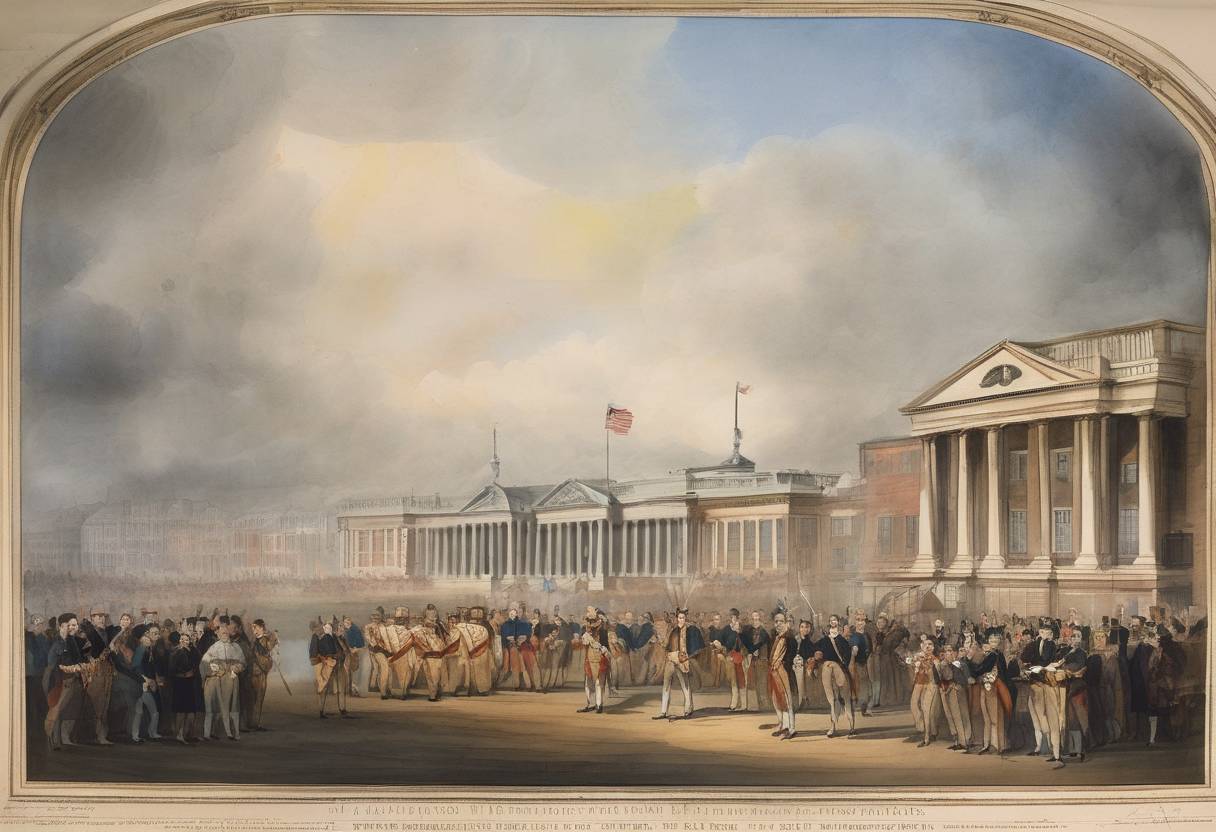
On April 19, 1782, John Adams achieved a significant diplomatic victory for the United States by securing recognition of American independence from the Dutch Republic. This event marked a crucial step in the international legitimization of the United States as a sovereign nation during the American Revolutionary War.
American Revolutionary War: The conflict between the Thirteen American Colonies and Great Britain began in 1775, with the colonies declaring independence on July 4, 1776. The war continued as the colonies sought international support to bolster their fight against British rule.
Diplomatic Efforts: The Continental Congress recognized the importance of securing foreign alliances and support. France was the first major power to recognize American independence in 1778, followed by Spain in 1779. The Netherlands, a significant economic power with a strong maritime tradition, was a desirable ally for the fledgling nation.
John Adams’ Mission: John Adams, a prominent American statesman and diplomat, was appointed as Minister Plenipotentiary to the Dutch Republic in 1780. His mission was to secure Dutch recognition of American independence and negotiate a loan to support the American war effort.
Challenges: Adams faced significant challenges, including Dutch neutrality, British influence, and internal political divisions within the Dutch Republic. However, he was persistent in his diplomatic efforts, leveraging the Dutch interest in trade and their historical rivalry with Britain.
Breakthrough: Adams’ breakthrough came when he presented his credentials to the States General of the Dutch Republic on April 19, 1782. The Dutch formally recognized the United States as an independent government, making them the second European power to do so after France.
Diplomatic Success: The recognition by the Dutch Republic was a major diplomatic success for the United States. It not only provided international legitimacy but also opened the door for economic and military support.
Loan Agreement: Following recognition, Adams successfully negotiated a loan with Dutch bankers, which was crucial for financing the American war effort. The loan helped stabilize the American economy and sustain military operations.
Broader Impact: The Dutch recognition encouraged other nations to consider formal relations with the United States. It demonstrated the effectiveness of American diplomacy and the growing acceptance of American independence on the world stage.
Legacy of John Adams: This achievement solidified John Adams’ reputation as a skilled diplomat and contributed to his later political career, including his role as the second President of the United States.
In summary, the recognition of American independence by the Dutch Republic on April 19, 1782, was a pivotal moment in the American Revolutionary War, showcasing the importance of diplomacy in securing international support and legitimacy for the United States.
Source: en.wikipedia.org