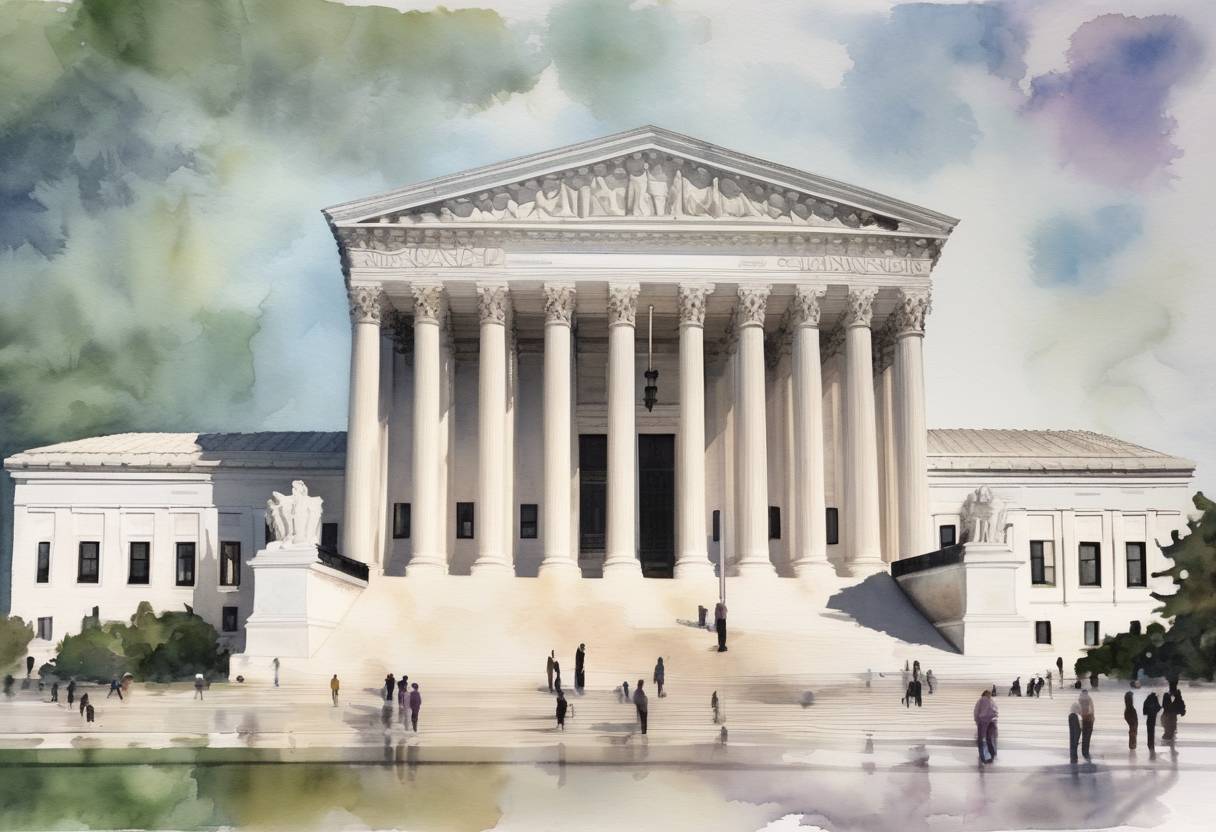
Bostock v. Clayton County: Supreme Court Ruling on June 16, 2020
On June 16, 2020, the United States Supreme Court delivered a landmark decision in the case of Bostock v. Clayton County. This ruling significantly expanded the interpretation of the Civil Rights Act of 1964, particularly Title VII, which prohibits employment discrimination.
Background
The case consolidated three separate lawsuits from individuals who alleged they were fired from their jobs due to their sexual orientation or gender identity:
- Gerald Bostock: A child welfare advocate in Clayton County, Georgia, who claimed he was dismissed for being gay.
- Donald Zarda: A skydiving instructor in New York who alleged he was terminated because of his sexual orientation.
- Aimee Stephens: A funeral home employee in Michigan who was fired after she came out as transgender.
These cases raised the question of whether Title VII’s prohibition of discrimination “because of sex” includes discrimination based on sexual orientation and gender identity.
Supreme Court Decision
In a 6-3 decision, the Supreme Court ruled that Title VII of the Civil Rights Act of 1964 does indeed protect employees from discrimination based on sexual orientation and gender identity. Justice Neil Gorsuch authored the majority opinion, joined by Chief Justice John Roberts and the Court’s four liberal justices.
Key Points of the Ruling
Textual Interpretation: The majority opinion emphasized a textualist approach, interpreting the phrase “because of sex” to include sexual orientation and gender identity. The Court reasoned that discrimination against an individual for being gay or transgender inherently involves treating that person differently because of their sex.
Precedent and Logic: The decision drew on previous rulings that expanded the understanding of sex discrimination, arguing that if an employer fires a male employee for being attracted to men but does not fire a female employee for being attracted to men, the employer is discriminating based on sex.
Broader Historical Significance
The ruling in Bostock v. Clayton County marked a significant victory for LGBTQ+ rights in the United States. It extended federal workplace protections to millions of LGBTQ+ employees across the country, ensuring that they could not be legally fired or discriminated against in employment based on their sexual orientation or gender identity.
Aftermath and Impact
Legal Precedent: This decision set a legal precedent that has influenced subsequent cases and policies regarding LGBTQ+ rights and anti-discrimination laws.
Cultural and Social Impact: The ruling was celebrated by LGBTQ+ advocacy groups and marked a step forward in the broader movement for equality and civil rights.
In conclusion, the Supreme Court’s decision in Bostock v. Clayton County was a pivotal moment in the ongoing struggle for LGBTQ+ rights, reinforcing the principle that employment discrimination on the basis of sexual orientation or gender identity is unlawful under federal law.