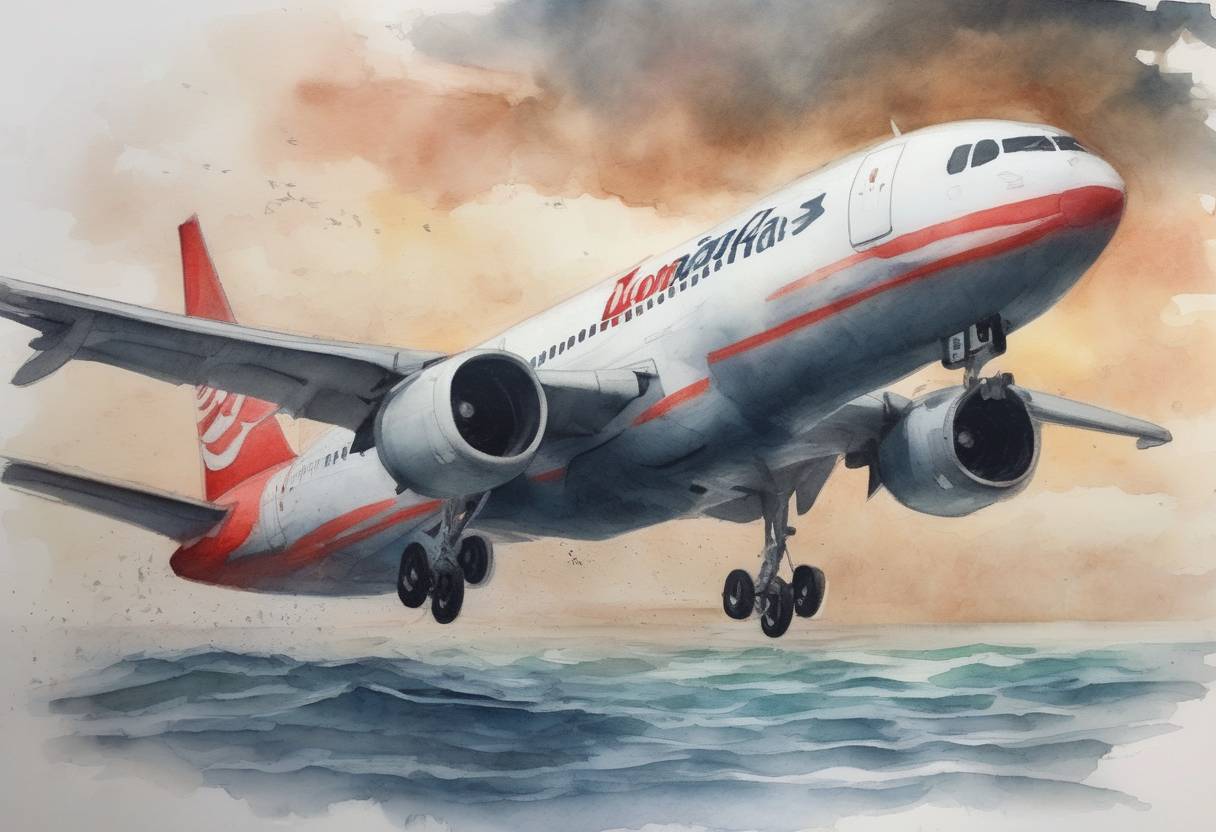
Lion Air Flight 610 Crash - October 30, 2018
On October 30, 2018, Lion Air Flight 610, a domestic flight operated by the Indonesian airline Lion Air, tragically crashed into the Java Sea shortly after takeoff from Soekarno–Hatta International Airport in Jakarta, Indonesia. The crash resulted in the deaths of all 189 passengers and crew on board.
Background
- Aircraft: The aircraft involved was a Boeing 737 MAX 8, a relatively new model that had been delivered to Lion Air just a few months prior, in August 2018.
- Flight Details: The flight was scheduled to travel from Jakarta to Pangkal Pinang, a city on the Indonesian island of Bangka.
Sequence of Events
- Takeoff: The flight took off at 6:20 AM local time. Shortly after takeoff, the pilots reported issues with the aircraft’s flight control systems and requested permission to return to the airport.
- Crash: Despite attempts to stabilize the aircraft, it crashed into the Java Sea approximately 13 minutes after takeoff, at around 6:33 AM.
Investigation and Findings
- Preliminary Findings: Initial investigations revealed issues with the aircraft’s angle of attack sensors, which provided erroneous data to the Maneuvering Characteristics Augmentation System (MCAS), a new flight control system on the 737 MAX designed to prevent stalls.
- MCAS: The MCAS system repeatedly pushed the aircraft’s nose down, despite the pilots’ efforts to correct the flight path.
- Maintenance Issues: The investigation also highlighted maintenance and safety oversight issues, including previous reports of similar problems on the aircraft that had not been adequately addressed.
Aftermath and Impact
- Grounding of Boeing 737 MAX: Following the Lion Air crash and a subsequent crash involving Ethiopian Airlines Flight 302 in March 2019, aviation authorities worldwide grounded the Boeing 737 MAX fleet.
- Boeing’s Response: Boeing faced significant scrutiny and legal challenges, leading to changes in the design and certification processes for the 737 MAX, including updates to the MCAS system.
- Regulatory Changes: The crash prompted a reevaluation of aviation safety regulations and oversight, particularly concerning new aircraft technologies and pilot training.
Broader Significance
The Lion Air Flight 610 crash underscored the critical importance of rigorous safety standards and transparent communication between aircraft manufacturers, airlines, and regulatory bodies. It also highlighted the potential risks associated with new aviation technologies and the need for comprehensive pilot training to handle unexpected system behaviors.
The tragedy had a profound impact on the global aviation industry, leading to significant changes in aircraft design, certification processes, and regulatory practices to enhance passenger safety and prevent similar incidents in the future.