Hurricane Dean Makes Landfall on the Yucatán Peninsula
2007 · Yucatán Peninsula, Mexico
Hurricane Dean makes landfall on the Yucatán Peninsula as a Category 5 storm, causing widespread damage in Mexico and the Caribbean.
October 22, 2005
A tropical storm later named Hurricane Wilma makes landfall in Cozumel, Mexico, as a Category 4 hurricane, resulting in widespread damage in Mexico and later affecting Florida.
Cozumel, Mexico | National Hurricane Center
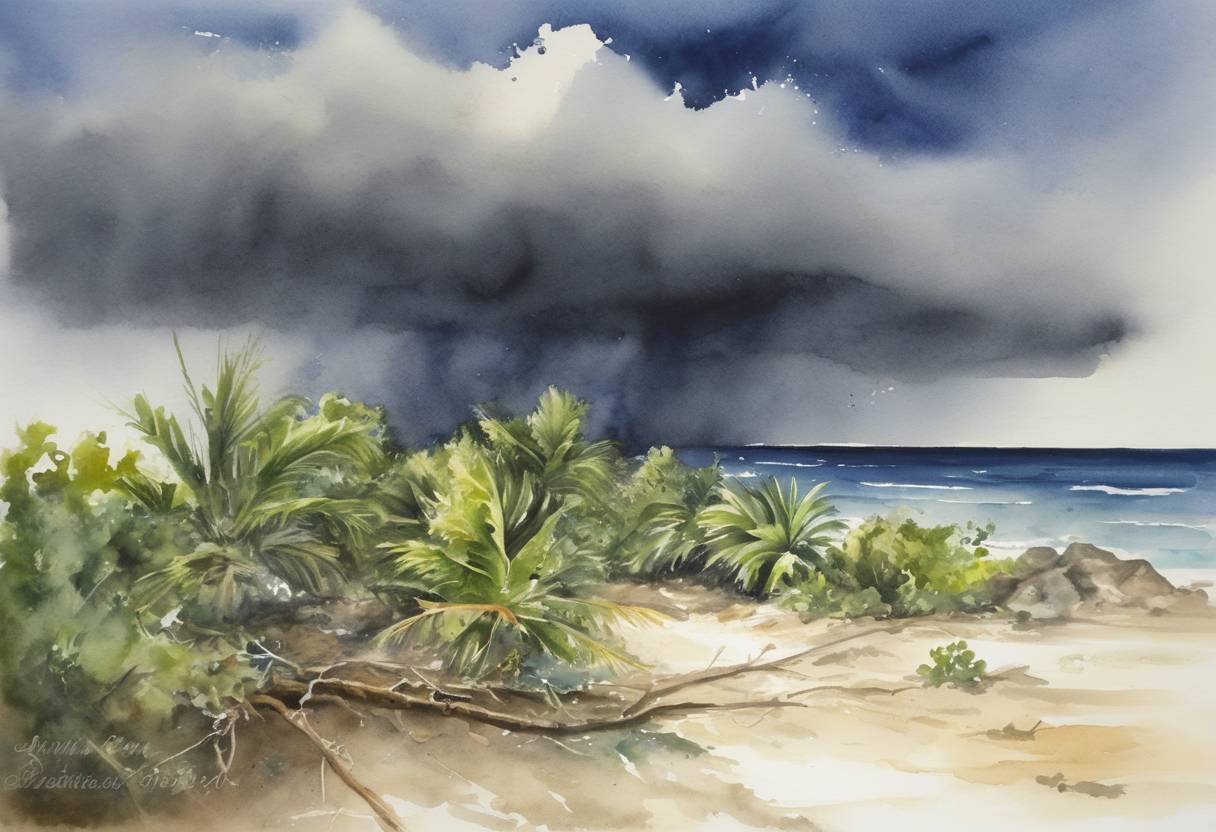
On October 22, 2005, Hurricane Wilma made landfall in Cozumel, Mexico, as a Category 4 hurricane. This event marked one of the most intense hurricanes in terms of barometric pressure within the recorded history of the Atlantic hurricanes.
Wilma originally formed as a tropical depression in the Caribbean Sea on October 15, 2005. Over the next few days, it rapidly intensified, reaching its peak as a Category 5 hurricane with sustained winds of 185 mph (298 km/h) and registering the lowest central pressure ever recorded in an Atlantic hurricane at 882 millibars on October 19th. After fluctuating in intensity, Wilma eventually weakened slightly to a Category 4 by the time it reached the Yucatán Peninsula.
As Wilma made landfall on the island of Cozumel, it unleashed powerful winds and heavy rains, inflicting significant damage on infrastructure and the environment. The hurricane stalled over the northeastern Yucatán Peninsula, particularly affecting the tourist-rich region around Cancún. Prolonged exposure to hurricane-force winds and heavy flooding caused extensive destruction of homes, businesses, and resorts, leading to significant economic repercussions in the tourism industry.
Following its devastating impact on Mexico, Hurricane Wilma re-entered the Gulf of Mexico and later hit Florida on October 24, 2005. Though weakened to a Category 3 hurricane, it still caused widespread damage, power outages, and multiple fatalities in the state. The hurricane’s trail of destruction emphasized the vulnerability of coastal regions to severe weather events and sparked efforts to improve disaster preparedness and response strategies in affected areas.
Hurricane Wilma’s extraordinary intensity and the damage it caused played a key role in shaping hurricane preparedness measures in the Atlantic region. It was part of the extraordinarily active 2005 Atlantic hurricane season, which included other significant storms like Hurricanes Katrina and Rita, drawing attention to the impacts of climate variability and the need for improved infrastructure resilience against natural disasters.
Source: www.nhc.noaa.gov