Assassination of King Faisal of Saudi Arabia
1975 · Riyadh, Saudi Arabia
King Faisal of Saudi Arabia was assassinated by his nephew, leading to a significant transition in the Saudi monarchy.
June 28, 2017
Saudi Arabian King Salman appointed his son Mohammed bin Salman as Crown Prince, replacing Mohammed bin Nayef in a significant shift within the monarchy's leadership.
Riyadh, Saudi Arabia | Saudi Arabian monarchy
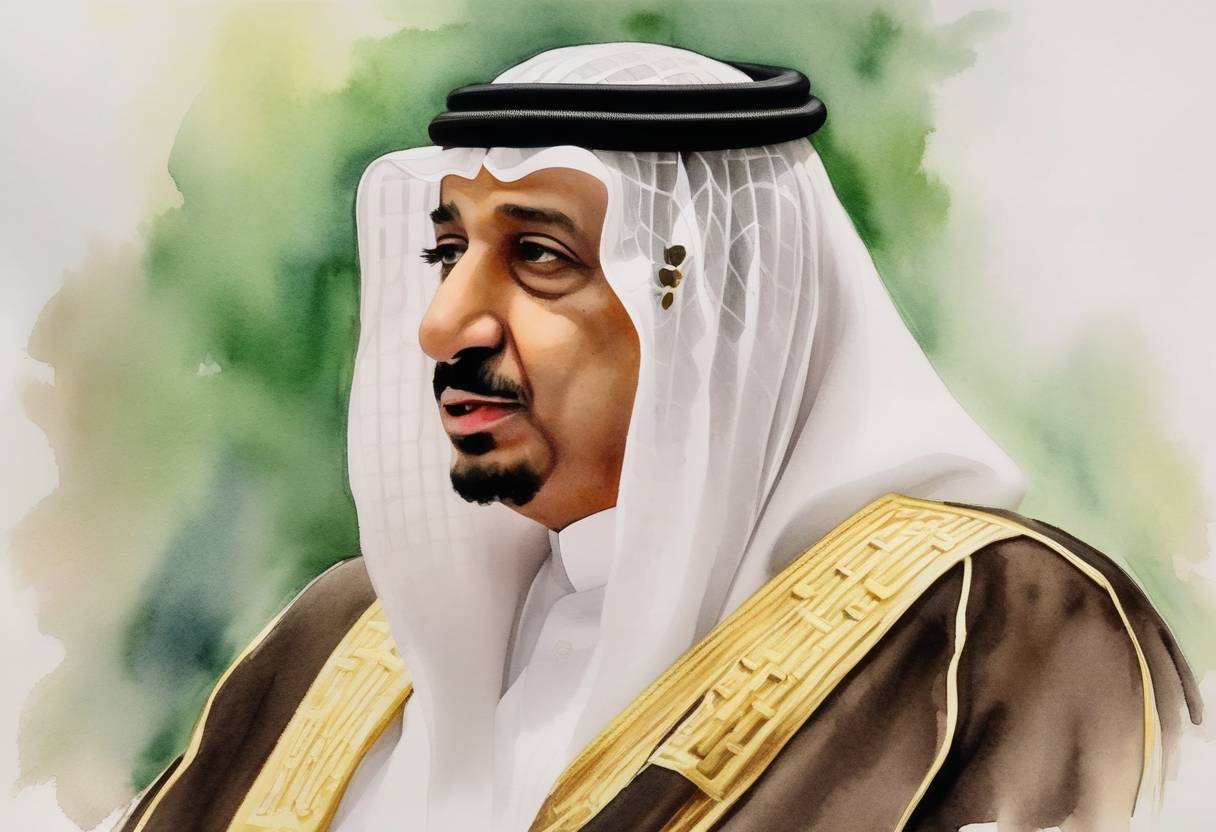
On June 21, 2017, a significant shift occurred within the Saudi Arabian monarchy when King Salman bin Abdulaziz Al Saud issued a royal decree appointing his son, Mohammed bin Salman, as Crown Prince. This appointment replaced the then-Crown Prince Mohammed bin Nayef, who was also relieved of his position as the Minister of Interior.
Prior to this decree, Mohammed bin Nayef had been a prominent figure in Saudi leadership, especially noted for his role in counterterrorism efforts and having strong ties with Western intelligence agencies, particularly the United States. He was appointed Crown Prince in April 2015, following the accession of King Salman to the throne in January that year.
Mohammed bin Salman, often referred to by his initials MBS, had been gaining influence since his father’s ascension to the throne. Before becoming Crown Prince, he served as the Defense Minister and heading the Council for Economic and Development Affairs. His tenure as Defense Minister saw the launch of the controversial military intervention in Yemen in 2015.
As the head of the Economic and Development Affairs Council, he was instrumental in launching “Vision 2030,” a plan aimed at diversifying Saudi Arabia’s oil-dependent economy, fostering non-oil industrial sectors, and implementing social reforms.
The move to appoint Mohammed bin Salman as Crown Prince was ratified by the Allegiance Council with 31 out of 34 members voting in favor. In a statement, Mohammed bin Nayef pledged allegiance to his successor, signifying a smooth transition compared to potential tensions seen in other hereditary successions.
This leadership change signified a generational shift in Saudi political dynamics. As Crown Prince, Mohammed bin Salman embarked on a series of significant reforms, including lifting the ban on women driving, allowing women into stadiums, and curbing the powers of the religious police. Internationally, he sought to position Saudi Arabia as a more moderate and diversified economy, although his tenure has also faced international scrutiny and criticism, particularly regarding human rights issues and foreign policy decisions.
This appointment marked a pivotal moment for Saudi Arabia’s future direction, igniting both hope and controversy within and outside the Kingdom.
Source: www.bbc.com