Dagen H: Sweden's Switch to Right-Hand Traffic
1967 · Stockholm, Sweden
Sweden switched from driving on the left-hand side of the road to the right, in an event known as Dagen H.
January 29, 1959
The first Melodifestivalen, the Swedish music competition that selects Sweden's entry for the Eurovision Song Contest, was held.
Stockholm, Sweden | Sveriges Radio
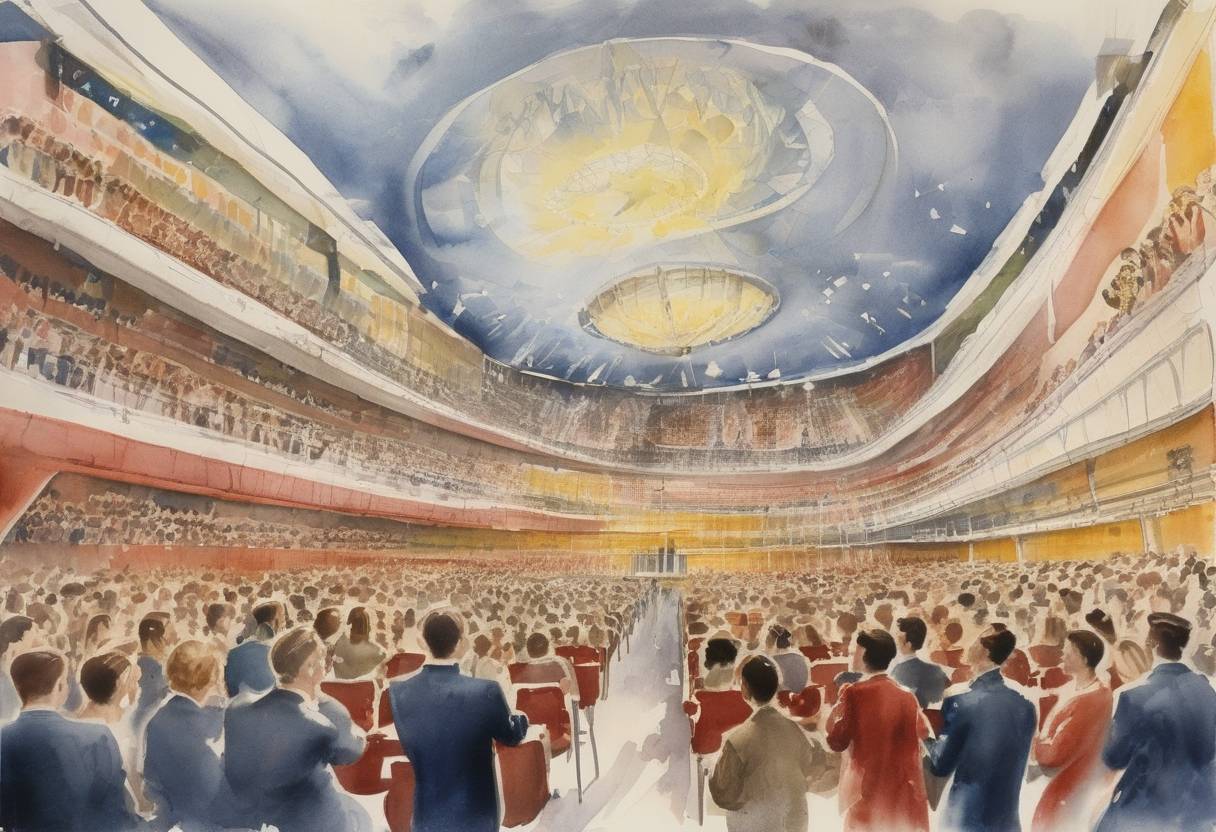
On January 29, 1959, Sweden held its first Melodifestivalen, a music competition designed to select the country’s entry for the Eurovision Song Contest. This event marked the beginning of a long-standing tradition in Swedish music culture, which has since become one of the most popular television events in Sweden.
The Eurovision Song Contest, established in 1956, quickly gained popularity across Europe as a platform for showcasing musical talent from various countries. Sweden, eager to participate and make its mark on the international stage, organized Melodifestivalen to select its representative for the contest.
The inaugural Melodifestivalen featured a straightforward format, with a small number of entries competing for the honor of representing Sweden at Eurovision. The competition was judged by a panel of experts who evaluated the performances and selected the winner.
The first Melodifestivalen set the stage for what would become an annual tradition in Sweden. Over the years, the competition has evolved significantly, growing in scale and popularity. It has become a crucial platform for launching the careers of many Swedish artists and has contributed to Sweden’s reputation as a powerhouse in the Eurovision Song Contest.
Melodifestivalen has played a significant role in shaping Swedish pop culture and music. It has introduced numerous successful artists and songs to both national and international audiences. The competition continues to be a beloved event, drawing millions of viewers each year and maintaining its status as a key component of Sweden’s cultural identity.
In summary, the first Melodifestivalen on January 29, 1959, was a pivotal moment in Swedish music history, laying the foundation for a tradition that continues to thrive and influence the global music scene.
Source: eurovision.tv