Flooding in Queensland, Australia - October 1, 2011
2011 · Brisbane, Australia
Flooding in Queensland, Australia, reaches its peak, causing widespread damage and leading to the evacuation of thousands of residents.
February 7, 2009
The Black Saturday bushfires, the deadliest bushfire disaster in Australian history, occurred in the state of Victoria, resulting in 173 fatalities and widespread destruction.
Victoria, Australia | Country Fire Authority
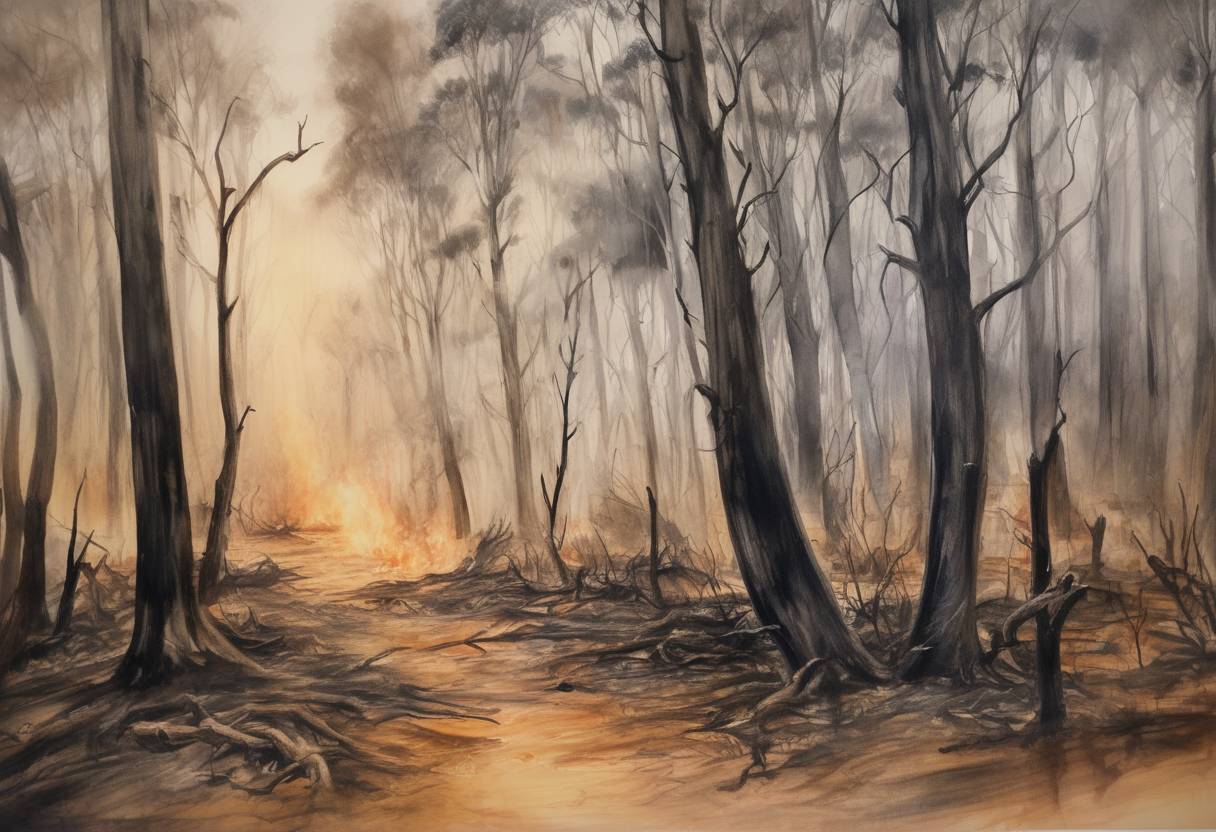
The Black Saturday bushfires, which occurred on February 7, 2009, stand as the deadliest bushfire disaster in Australian history. These catastrophic fires ravaged the state of Victoria, resulting in 173 fatalities and causing widespread destruction across the region.
The summer of 2009 in Victoria was marked by extreme weather conditions that set the stage for the devastating fires. A prolonged heatwave, with temperatures soaring above 40°C (104°F), combined with severe drought conditions, created an environment ripe for bushfires. Additionally, strong winds exceeding 100 km/h (62 mph) exacerbated the situation, spreading the fires rapidly across the landscape.
On February 7, a series of fires ignited across Victoria, with some of the most significant outbreaks occurring in areas such as Kinglake, Marysville, and the Yarra Ranges. The fires were fueled by the extreme weather conditions, and their rapid spread overwhelmed firefighting efforts. The day was later dubbed “Black Saturday” due to the scale of the disaster.
The Black Saturday bushfires resulted in:
The aftermath of the fires saw a massive response from both the Australian government and the international community. Relief efforts were mobilized to support affected communities, and a Royal Commission was established to investigate the causes and responses to the fires.
The Black Saturday bushfires highlighted the increasing risks associated with climate change, particularly the frequency and intensity of extreme weather events. The disaster prompted significant changes in fire management policies and emergency response strategies in Australia. It also underscored the importance of community preparedness and resilience in the face of natural disasters.
In conclusion, the Black Saturday bushfires remain a poignant reminder of the devastating impact of bushfires and the ongoing challenges posed by climate change. The lessons learned from this tragedy continue to inform fire management practices and policies in Australia and beyond.
Source: en.wikipedia.org