Viktor Yanukovych's Inauguration as President of Ukraine
2010 · Kyiv, Ukraine
Viktor Yanukovych is inaugurated as President of Ukraine, marking a significant political shift in the country.
November 22, 2004
The Orange Revolution begins in Ukraine after the presidential election between Viktor Yanukovych and Viktor Yushchenko is marred by allegations of electoral fraud. This sparks mass protests across the country.
Kyiv, Ukraine | Ukrainian Government
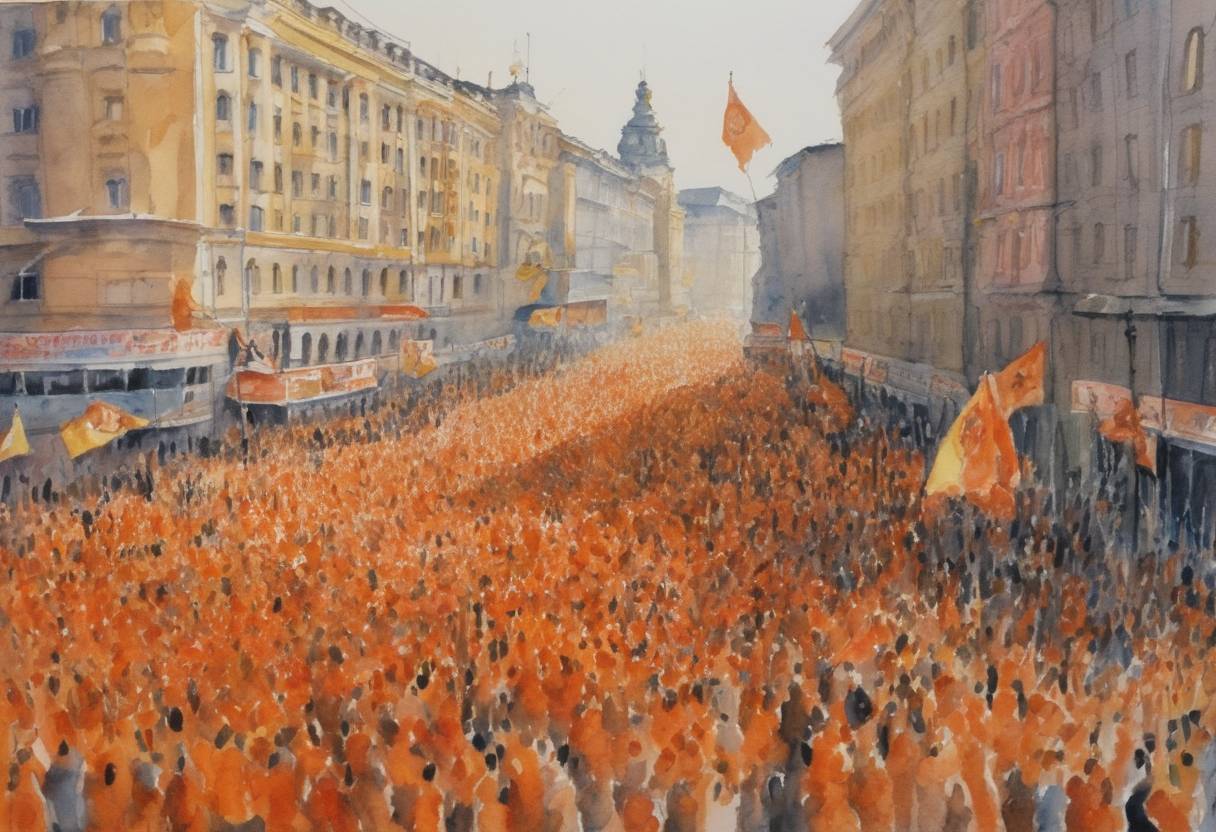
On November 22, 2004, the Orange Revolution commenced in Ukraine, initiated by widespread allegations of electoral fraud during the presidential election between candidates Viktor Yanukovych and Viktor Yushchenko. The election, held on November 21, faced scrutiny both domestically and internationally, sparking mass protests and a significant political crisis in the country.
The lead-up to the Orange Revolution was characterized by a deeply divided Ukraine. Viktor Yanukovych, the Prime Minister at the time, was backed by the outgoing President Leonid Kuchma and was widely seen as pro-Russian. Viktor Yushchenko, a former Prime Minister and leader of the opposition, represented a more pro-European, reformist stance.
The electoral campaign was marred by accusations of bias, intimidation, and media manipulation. Tensions increased when Yushchenko fell mysteriously ill during the campaign, later being diagnosed with dioxin poisoning, which permanently disfigured his face. Many suspected this was an assassination attempt.
Following the runoff election on November 21, preliminary results indicated that Yanukovych had narrowly won. However, numerous reports and observations from local and international monitors suggested widespread electoral fraud, including voter intimidation and ballot stuffing.
On November 22, Yushchenko’s supporters took to the streets in Kyiv and other cities, denouncing the alleged electoral malpractices and demanding a fair electoral process. These demonstrations marked the beginning of the Orange Revolution, named after Yushchenko’s campaign colors.
The protests quickly gained momentum, supported by striking workers, students, and various civil society groups. The central square of Kyiv, Maidan Nezalezhnosti (Independence Square), became the focal point of the movement, with thousands of demonstrators gathering continuously.
The protests drew significant international attention, with many Western governments and organizations expressing support for the protesters’ demands for democratic integrity. The Ukrainian Supreme Court played a crucial role by ultimately annulling the original election results on December 3, citing widespread violations.
This led to a repeat runoff election held on December 26, 2004, which Yushchenko won with a clear majority. Yushchenko’s victory was seen as a triumph for democracy and transparency, furthering Ukraine’s aspirations for closer ties with European institutions.
The Orange Revolution was pivotal in Ukraine’s modernization and integration with the West, though it also heightened tensions with Russia. Despite initial unity, the political landscape post-revolution remained turbulent, with rifts within the newly elected government.
The events of 2004 demonstrated the Ukrainian population’s commitment to democratic processes and set a precedent for civic activism in the country, sowing seeds of change for future political developments.
Source: en.wikipedia.org