The 2008 Summer Olympics Opening Ceremony
2008 · Beijing, China
The 2008 Summer Olympics officially opened in Beijing, China, with a spectacular opening ceremony at the Beijing National Stadium, also known as the Bird's Nest.
August 24, 2008
The 2008 Summer Olympics officially conclude in Beijing, China. The games are noted for their impressive display of technological advancement and the host country's significant medal haul, marking a pivotal moment in China's emergence as a major sporting power.
Beijing, China | International Olympic Committee
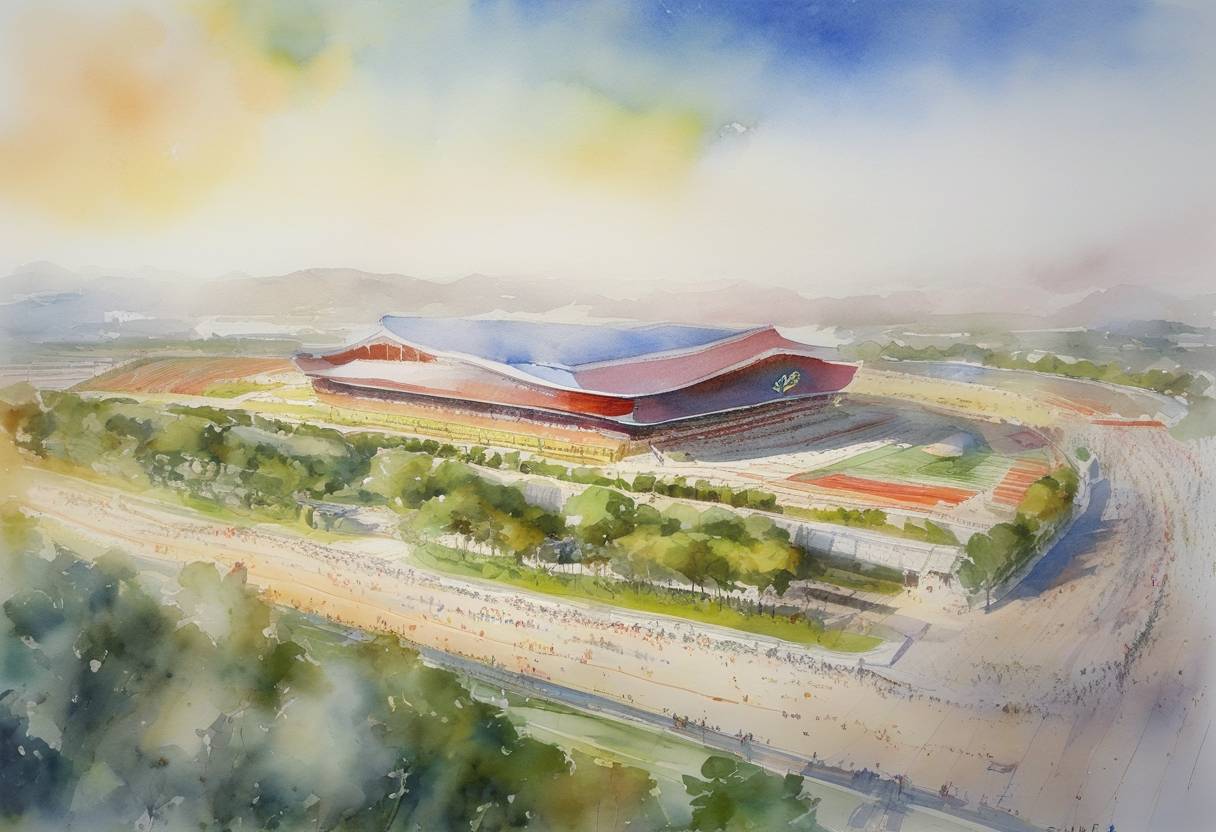
The official conclusion of the 2008 Summer Olympics took place on August 24, 2008, in Beijing, China. The games, formally known as the Games of the XXIX Olympiad, were marked by their impressive technological achievements, organizational excellence, and a significant medal haul by the host nation.
Beijing’s 2008 Olympics were celebrated for their grandeur and the seamless integration of technology. The opening and closing ceremonies, held at the National Stadium (commonly known as the Bird’s Nest), featured cutting-edge special effects, intricate choreography, and a dazzling display of fireworks. These elements showcased China’s technological prowess and cultural heritage, setting a new standard for Olympic ceremonies.
The event was organized with meticulous attention to detail, highlighting China’s growing capabilities in hosting international events. The infrastructure, including the Olympic Village and sporting venues, was applauded for its design and scale, illustrating China’s commitment to providing world-class facilities.
The 2008 Olympics were a turning point for China as a major sporting power. For the first time in history, China topped the gold medal count with a total of 51 golds, surpassing the United States, which won 36. This achievement was a significant focus of national pride and underscored China’s investment in its athletes and sports programs over the preceding years.
Overall, China secured a total of 100 medals, placing them second in the overall medal count behind the United States. The Chinese athletes excelled in sports such as gymnastics, diving, and weightlifting, demonstrating their strength across a range of disciplines.
The 2008 Beijing Olympics symbolized China’s emergence on the global stage not just as a sporting powerhouse but also as an economic and political entity with significant influence. It was seen as a demonstration of the country’s rapid development and modernization.
The successful hosting of the Olympics had broader implications, contributing to bolstered national pride and providing a spur for sports and infrastructure development within China. Moreover, it marked a moment of increased engagement with the global community.
The legacy of the 2008 Beijing Olympics continues to resonate. The event showcased the potential for future Olympic Games to incorporate comprehensive technological and artistic elements. Additionally, it paved the way for China to host future international sporting events, such as the 2022 Winter Olympics.
The Beijing Olympics left a lasting impact on the city, transforming its landscape with new infrastructure and contributing to Beijing’s ongoing reputation as a global city capable of hosting large-scale international events.
Source: www.olympic.org