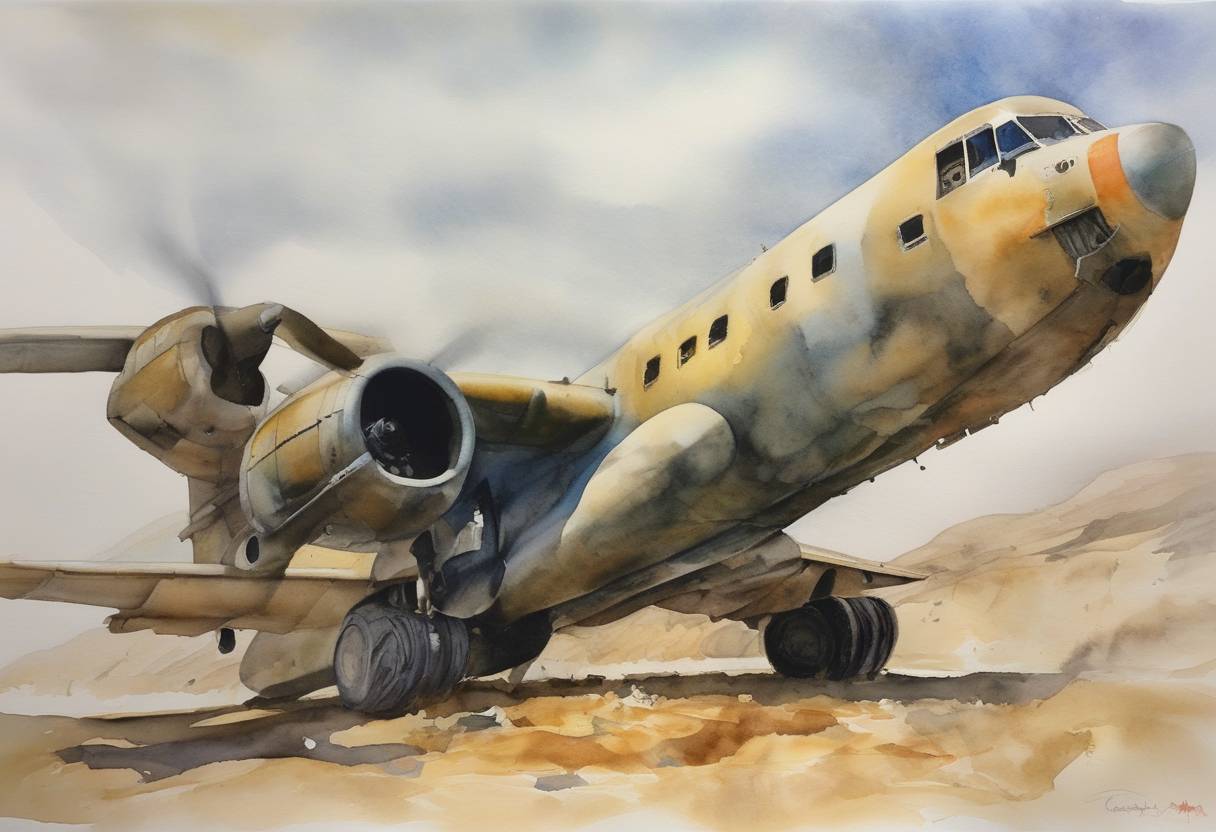
August 29, 2009: Turkish Aircraft Crash
On August 29, 2009, a Turkish military plane crashed, tragically resulting in the loss of all 13 individuals on board. The aircraft was carrying Spanish peacekeepers who were part of NATO’s International Security Assistance Force (ISAF) in Afghanistan. The crash occurred as the plane was en route to Afghanistan, highlighting the potential risks involved in military operations and the transportation of personnel in conflict zones.
Context
The flight involved a CASA military aircraft, a type frequently utilized for transport assignments by various NATO allies. At the time, Spain was actively involved in the ISAF initiative, contributing to efforts intended to stabilize Afghanistan post-2001.
The Crash
- Date: August 29, 2009
- Aircraft: CASA Military Transport Plane
- Location: Near the Turkish city of Antalya
- Incident: The aircraft went down under circumstances leading to the loss of everyone on board – 13 Spanish military members.
Aftermath
The accident emphasized the hazards associated with military deployments and logistical operations in arduous environments like Afghanistan. In the wake of the crash:
- Investigation: An inquiry was launched to determine the cause of the crash. Safety protocols and procedures were reviewed to prevent future tragedies.
- Impact on Military Operations: The incident drew attention to the vulnerabilities of air transport in military operations and resulted in increased scrutiny of operational practices for the transportation of personnel and equipment.
Broader Historical Significance
The crash was a grim reminder of the ongoing sacrifices made by military personnel in peacekeeping and stabilization missions. It underscored the complexities and perils of international military cooperation efforts during the long-running conflict in Afghanistan.
As a poignant event within the broader context of NATO’s involvement in Afghanistan, the crash contributed to ongoing discussions concerning the safety of military logistics and the inherent risks faced by peacekeeping forces in conflict regions.