1303 · Rome, Papal States (now Italy)
The Sapienza University of Rome was founded by Pope Boniface VIII, becoming one of the world's oldest and most prestigious educational institutions.
August 31, 1303
On August 31, 1303, the University of Rome was chartered by Pope Boniface VIII.
Rome, Italy | Catholic Church
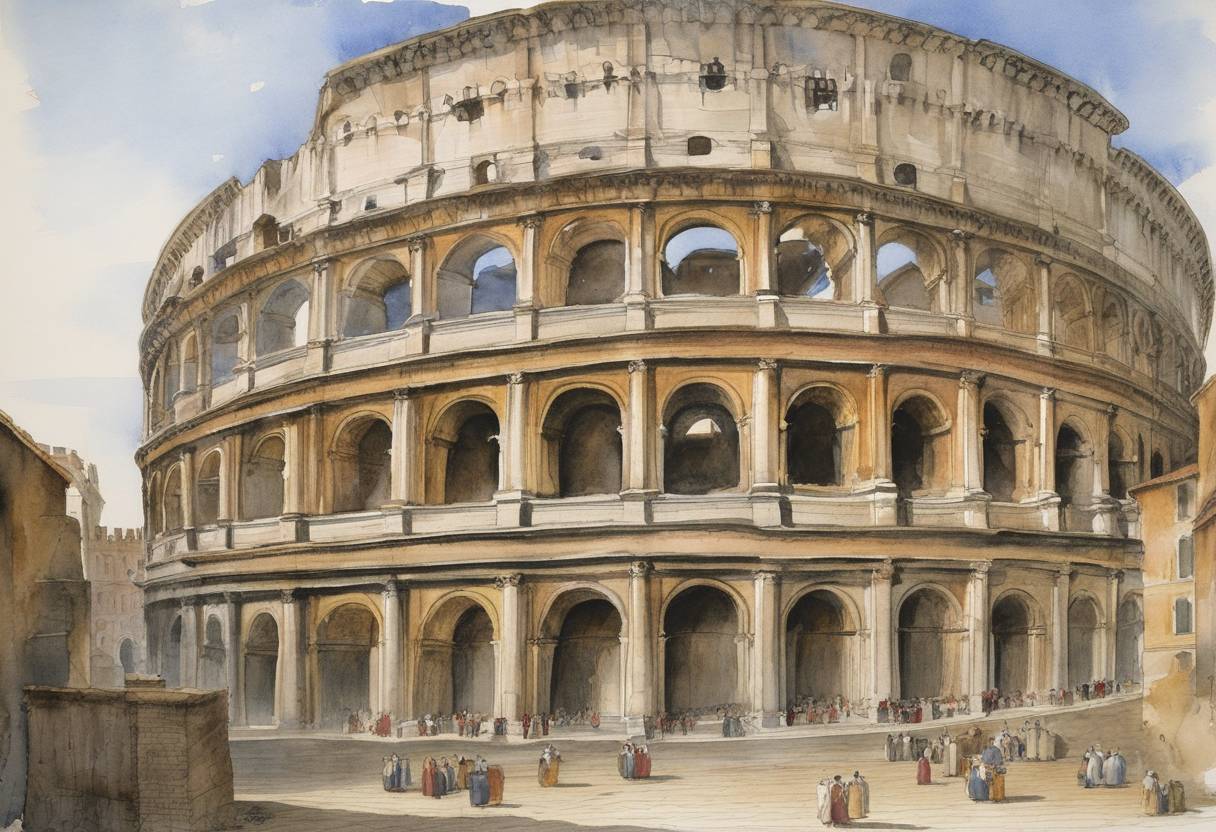
On August 31, 1303, one of the key events in the history of higher education occurred when Pope Boniface VIII chartered the University of Rome, endorsing its establishment. This notable event marked the official recognition and foundation of an academic institution that would evolve into a significant center of learning in Europe.
In the early 14th century, the landscape of medieval education was dominated by a few prominent universities established over the previous centuries, such as the University of Bologna and the University of Paris. These institutions set precedents for academic organization, specializing primarily in disciplines such as theology, law, medicine, and the arts.
Pope Boniface VIII, reigning from 1294 until his death in 1303, was a formidable figure in the medieval papal hierarchy. His tenure was marked by efforts to consolidate the power of the papacy and to promote religious and academic pursuits. The establishment of the University of Rome was part of a broader initiative to enhance the Italian scholastic environment and elevate the cultural influence of Rome.
The charter issued by Pope Boniface VIII was a formal document granting the University of Rome the authority to function as a university. This formalization granted the institution the power to confer degrees and encouraged the development of curricula in various fields of study. The charter was a critical step in institutionalizing education in Rome, aligning the university with the burgeoning intellectual movements across Europe.
The creation of the University of Rome was pivotal in reinforcing Rome’s status as a hub of learning and ecclesiastical power. It underscored the importance of education in the broader strategy of cultural and religious leadership. Over the centuries, the University of Rome has grown and evolved, undergoing several transformations and expansions to become part of what is today known as “Sapienza University of Rome,” one of the largest and most prestigious universities in Europe.
In the centuries that followed, the university attracted students and scholars from all over Europe, contributing to significant intellectual and cultural developments during the Renaissance and beyond. The institution played a crucial role in the transmission of both classical and contemporary knowledge, becoming a keystone in the network of European higher education.
The foundation of the University of Rome on August 31, 1303, remains a significant milestone in the history of education, representing the enduring legacy of the medieval renaissance of learning initiated by the church and its leaders.