Russia Shuts Off Gas Supplies to Europe - January 7, 2009
2009 · Moscow, Russia
Russia shut off all gas supplies to Europe through Ukraine, escalating a dispute over pricing and debts, which affected several European countries during a cold winter.
March 3, 2014
Russia's state-controlled energy giant Gazprom announced it would no longer offer Ukraine discounted natural gas prices, escalating tensions amid the Crimean crisis.
Moscow, Russia | Gazprom
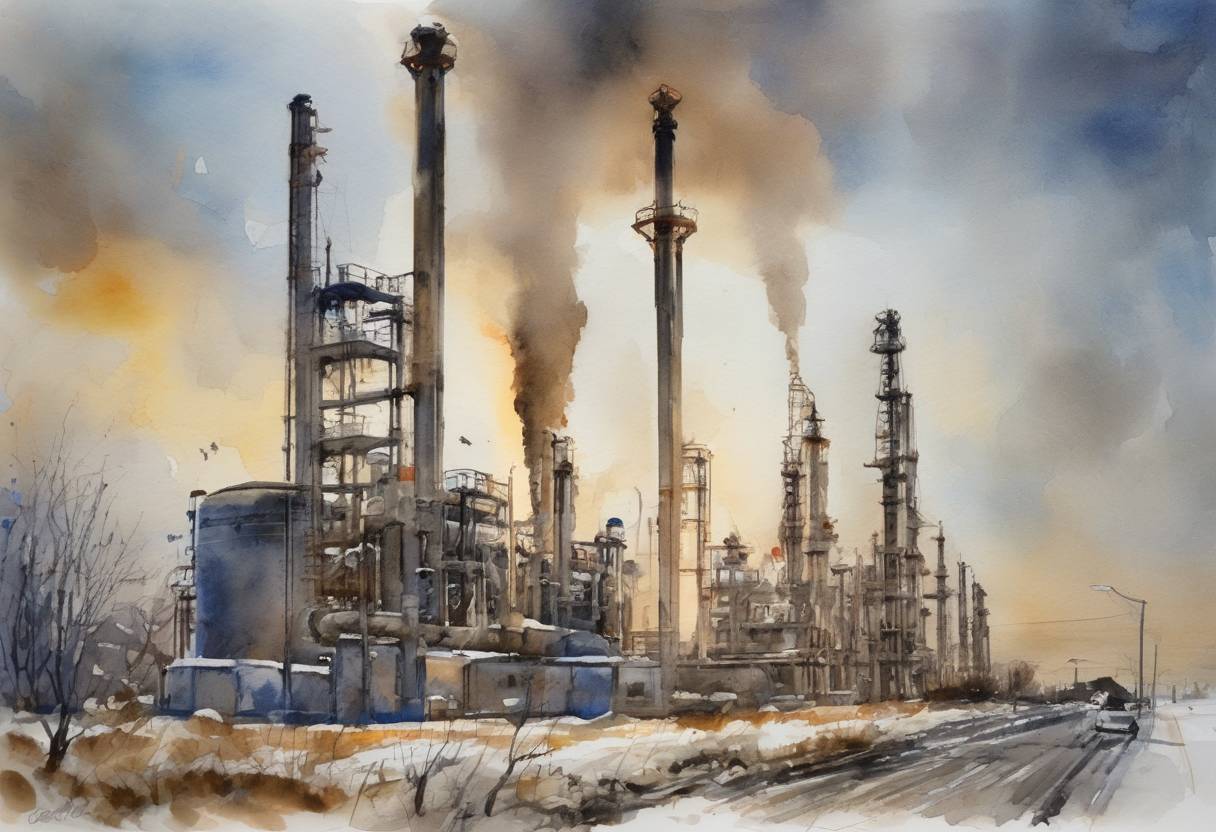
On March 3, 2014, Gazprom, Russia’s state-controlled energy giant, announced that it would cease offering discounted natural gas prices to Ukraine. This decision came amid escalating tensions between Russia and Ukraine during the Crimean crisis, a period marked by significant geopolitical upheaval.
Crimean Crisis: The announcement occurred during the early stages of the Crimean crisis, which began in February 2014. This crisis was triggered by Russia’s military intervention in Crimea following Ukraine’s Euromaidan protests and the subsequent ousting of Ukrainian President Viktor Yanukovych.
Energy Dependence: Ukraine heavily relied on Russian natural gas for its energy needs. Gazprom had previously provided Ukraine with discounted gas prices as part of agreements that were often politically motivated and tied to broader diplomatic relations between the two countries.
Political Upheaval: The Euromaidan protests, which began in late 2013, led to significant political changes in Ukraine, including the removal of President Yanukovych. This shift in power was viewed unfavorably by Russia, which had supported Yanukovych’s government.
Russian Military Movements: In late February 2014, Russian troops began moving into Crimea, a region with a significant Russian-speaking population and strategic importance due to its location on the Black Sea.
Price Increase: Gazprom’s decision to revoke the discount meant that Ukraine would have to pay the full market price for natural gas, significantly increasing its energy costs. This move was seen as a form of economic pressure on the new Ukrainian government.
Contractual Disputes: Gazprom cited unpaid debts and contractual disagreements as reasons for the price change. Ukraine, on the other hand, argued that the price hike was politically motivated.
Economic Impact on Ukraine: The removal of the discount placed a substantial financial burden on Ukraine, which was already facing economic challenges. This increased the urgency for Ukraine to seek alternative energy sources and financial assistance from Western countries.
International Response: The announcement further strained relations between Russia and Western nations, which were already critical of Russia’s actions in Crimea. It also highlighted the geopolitical significance of energy resources in the region.
Long-term Implications: The energy dispute underscored the vulnerabilities of countries heavily reliant on a single source for critical resources. It accelerated Ukraine’s efforts to diversify its energy supply and reduce dependence on Russian gas.
In summary, Gazprom’s decision to end discounted natural gas prices for Ukraine on March 3, 2014, was a pivotal moment in the unfolding Crimean crisis. It exemplified the use of energy resources as a tool of geopolitical influence and had lasting impacts on Ukraine’s energy policies and international relations.
Source: www.reuters.com