The Birth of CC: The First Cloned Cat
2001 · College Station, United States
The first cloned cat, named 'CC' (short for Carbon Copy), was born at Texas A&M University, marking a significant milestone in genetic engineering and cloning technology.
July 5, 1996
Dolly the sheep, the first mammal to be cloned from an adult somatic cell, was born at the Roslin Institute in Scotland.
Edinburgh, Scotland | Roslin Institute
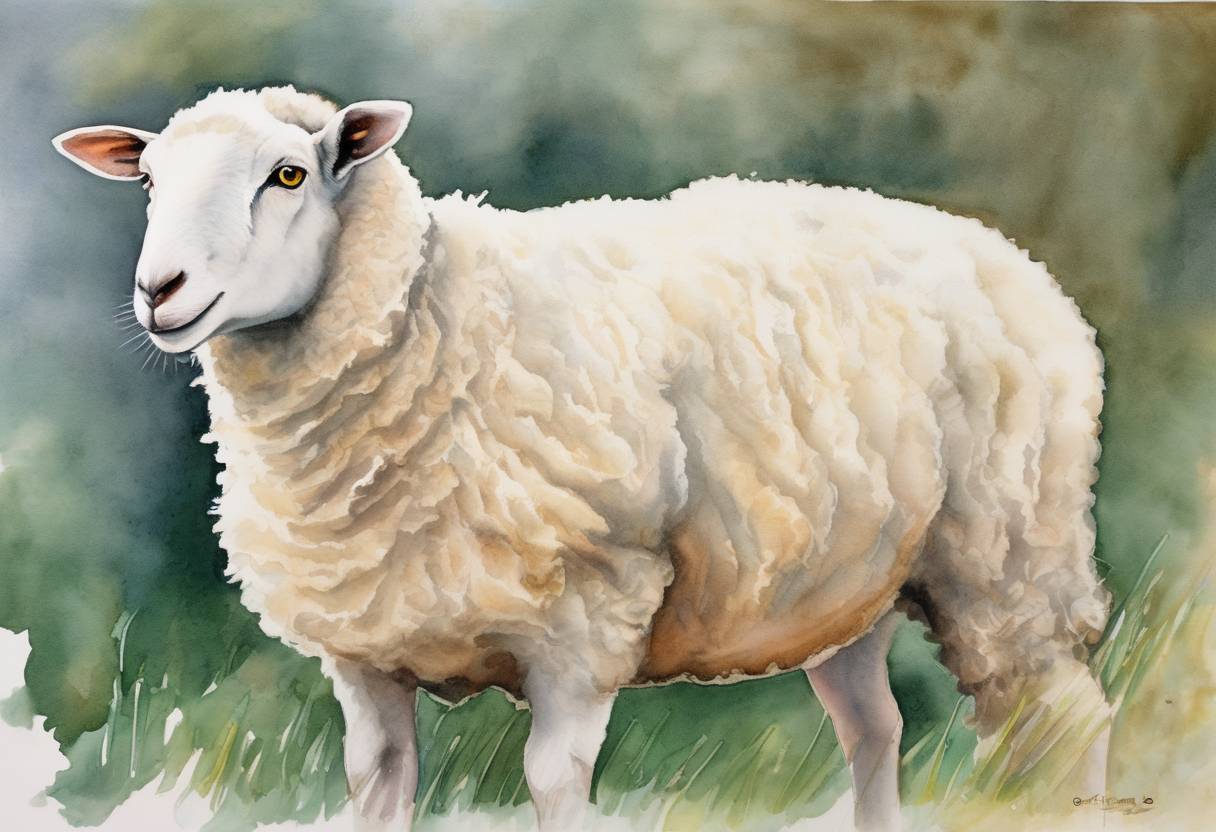
Dolly the sheep, born on July 5, 1996, at the Roslin Institute in Scotland, represents a groundbreaking achievement in genetic science as the first mammal to be cloned from an adult somatic cell. This event marked a significant milestone in biotechnology and raised important ethical and scientific discussions.
Before Dolly’s birth, cloning was primarily achieved using embryonic cells. The successful cloning of a mammal from an adult somatic cell was unprecedented and challenged existing scientific paradigms. The process used to clone Dolly was called somatic cell nuclear transfer (SCNT), which involved several key steps:
Dolly was named after the singer Dolly Parton, in reference to the origin of the somatic cell from a mammary gland. She was the only successful outcome from 277 attempts, highlighting the complexity and difficulty of the cloning process.
Dolly lived for six years, during which she gave birth to six lambs, proving that cloned animals could reproduce naturally. However, she developed arthritis and lung disease, leading to her euthanization on February 14, 2003.
Dolly’s cloning had profound implications:
Dolly’s legacy continues to influence scientific research and ethical discussions. Her successful cloning paved the way for advancements in stem cell research and regenerative medicine, contributing to the development of techniques that could potentially treat various diseases and injuries.
In summary, Dolly the sheep remains a symbol of scientific innovation and a catalyst for ongoing discussions about the ethical boundaries of genetic manipulation. Her birth on July 5, 1996, marked a pivotal moment in the history of biotechnology.
Source: en.wikipedia.org