1900 · Washington, D.C., United States
The Gold Standard Act is ratified, placing the United States currency on the gold standard.
July 17, 1861
Congress authorized the use of paper currency in the United States for the first time with the passage of the Currency Act.
Washington, D.C., United States | United States Congress
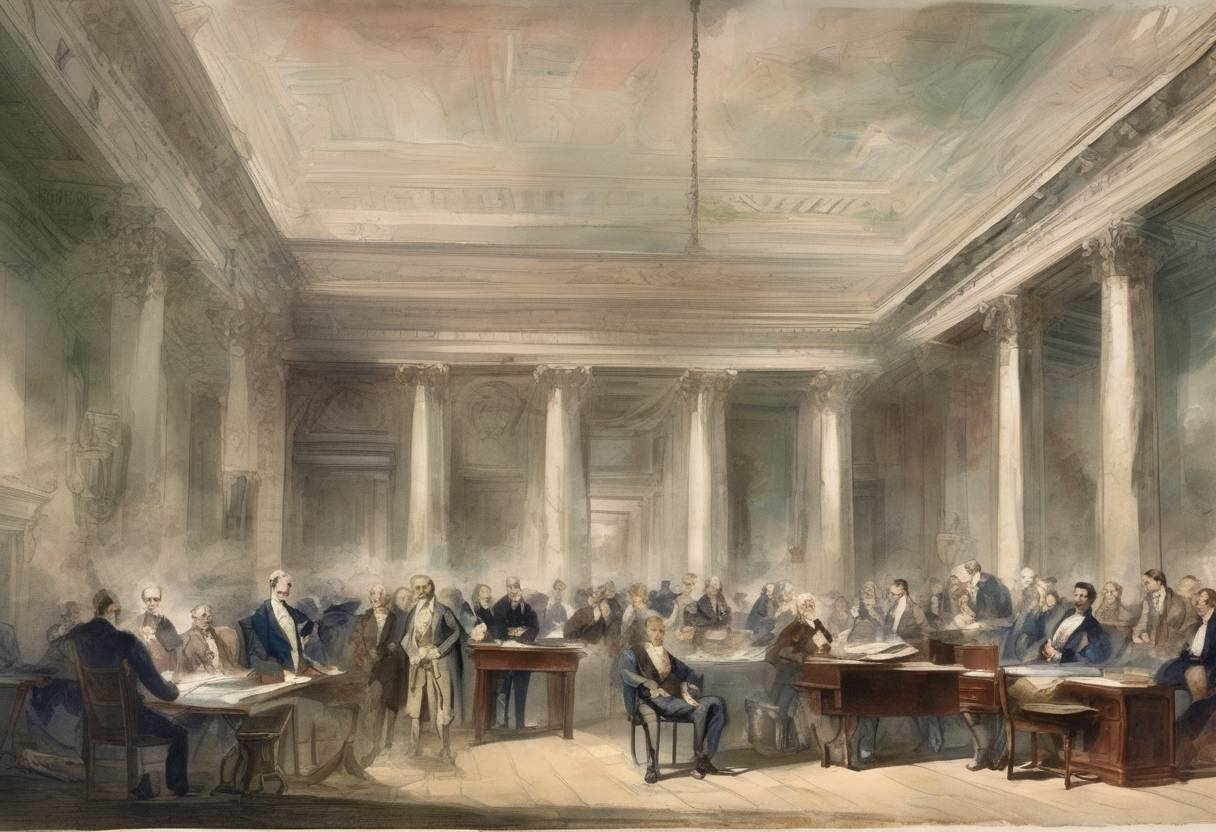
On July 17, 1861, the United States Congress passed the Currency Act, marking a pivotal moment in American financial history by authorizing the use of paper currency for the first time. This legislative action was a direct response to the financial exigencies brought about by the Civil War, which had begun just a few months earlier in April 1861.
Prior to the Civil War, the United States primarily relied on coinage and banknotes issued by private banks. These banknotes were often unreliable, as their value depended on the issuing bank’s solvency. The outbreak of the Civil War created an urgent need for a stable and reliable currency to fund the Union’s war efforts.
The Union faced significant financial challenges as it mobilized resources for the war. The traditional reliance on coinage and state-chartered banknotes proved insufficient to meet the escalating costs. The federal government needed a more flexible and expansive monetary system to finance military operations and support the economy.
The Currency Act of 1861 authorized the issuance of $150 million in “Demand Notes,” which were the first paper currency issued by the federal government. These notes were initially intended to be redeemable in gold or silver on demand, which helped to instill public confidence in their value.
The introduction of paper currency through the Currency Act of 1861 laid the groundwork for a more centralized and uniform monetary system in the United States. It marked the beginning of a shift from a decentralized banking system to one with greater federal oversight and control.
The Currency Act of 1861 was a crucial step in the evolution of the U.S. financial system. It not only addressed the immediate fiscal needs of the Civil War but also set the stage for modernizing the nation’s banking and currency systems. The move towards a federally issued paper currency helped stabilize the economy and laid the foundation for future economic growth and development in the United States.
In summary, the Currency Act of 1861 was a landmark piece of legislation that transformed the American financial landscape, ensuring the Union could effectively fund its war efforts and paving the way for a more unified and resilient economic system.
Source: en.wikipedia.org