Iraq's First Parliamentary Election Post-U.S. Invasion: December 15, 2005
2005 · Baghdad, Iraq
Iraq held its first parliamentary election since the U.S.-led invasion in 2003, marking a significant step in the country's political transition.
March 8, 2004
A new constitution was signed in Iraq, marking a significant step in the country's political reconstruction following the 2003 invasion by the United States and its allies.
Baghdad, Iraq | Iraqi Governing Council
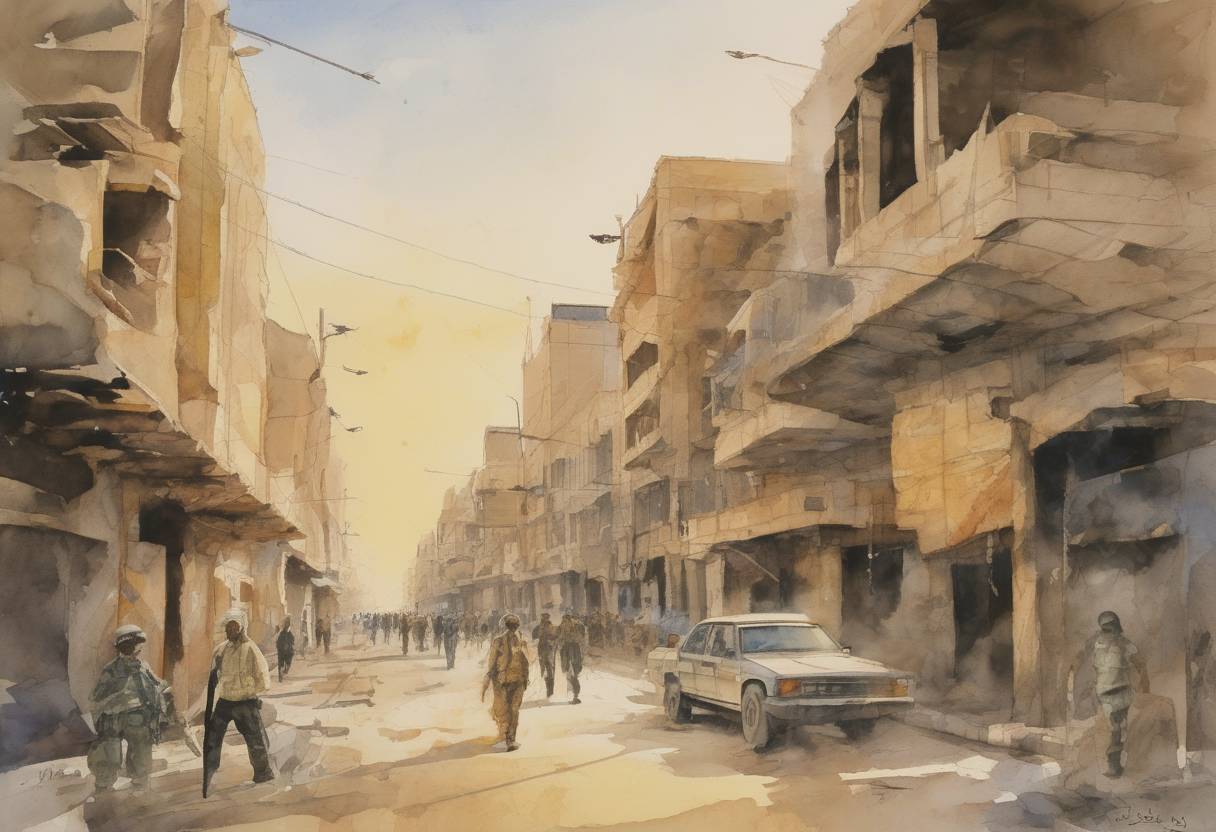
On March 8, 2004, Iraq took a significant step towards political reconstruction with the signing of the Transitional Administrative Law (TAL), often referred to as the interim constitution. This event marked a pivotal moment in Iraq’s journey to establish a democratic governance structure following the 2003 invasion by the United States and its allies, which led to the toppling of Saddam Hussein’s regime.
2003 Invasion: The United States, along with coalition forces, invaded Iraq in March 2003, citing the need to dismantle weapons of mass destruction and end Saddam Hussein’s dictatorship. The invasion led to the collapse of the Ba’athist government, creating a power vacuum and necessitating the establishment of a new political order.
Coalition Provisional Authority (CPA): Following the invasion, the CPA was established to govern Iraq temporarily. Headed by Paul Bremer, the CPA was tasked with overseeing the reconstruction of Iraq’s political and economic systems.
Need for a Constitution: The absence of a legitimate, functioning government highlighted the urgent need for a legal framework to guide Iraq’s transition to democracy. The interim constitution was intended to serve as a temporary legal structure until a permanent constitution could be drafted and ratified.
Federal Structure: The TAL outlined a federal system of governance, recognizing the autonomy of various regions and provinces within Iraq. This was particularly significant for the Kurdish regions in the north, which had enjoyed a degree of autonomy since the early 1990s.
Human Rights: The document included provisions for the protection of fundamental human rights and freedoms, including freedom of speech, religion, and assembly. It aimed to ensure equality for all citizens, regardless of gender, ethnicity, or religion.
Separation of Powers: The TAL established a framework for the separation of powers among the executive, legislative, and judicial branches of government, laying the groundwork for democratic governance.
Elections: It set the stage for the first democratic elections in Iraq, which were to be held by January 2005. These elections were crucial for establishing a legitimate, representative government.
Path to a Permanent Constitution: The interim constitution served as a foundational document that guided Iraq through its transitional period. It paved the way for the drafting of a permanent constitution, which was eventually ratified by a national referendum in October 2005.
Challenges and Controversies: Despite its significance, the TAL faced challenges, including opposition from various factions within Iraq. Some groups were dissatisfied with the federal structure and the distribution of power, leading to ongoing political tensions.
Legacy: The signing of the interim constitution was a critical step in Iraq’s post-invasion recovery and democratization process. It represented a commitment to rebuilding the nation on principles of democracy and rule of law, despite the complex and often volatile political landscape.
In summary, the signing of the interim constitution on March 8, 2004, was a landmark event in Iraq’s history, symbolizing hope for a new era of governance and stability in the aftermath of conflict and upheaval.
Source: www.nytimes.com