United Nations General Assembly Resolution 377
1950 · New York City, United States
The United Nations General Assembly approved the Resolution 377, also known as the 'Uniting for Peace' resolution.
April 2, 1947
The United Nations Security Council passed Resolution 22, concerning the Greek civil war and peacebuilding efforts in the region.
New York, United States | United Nations
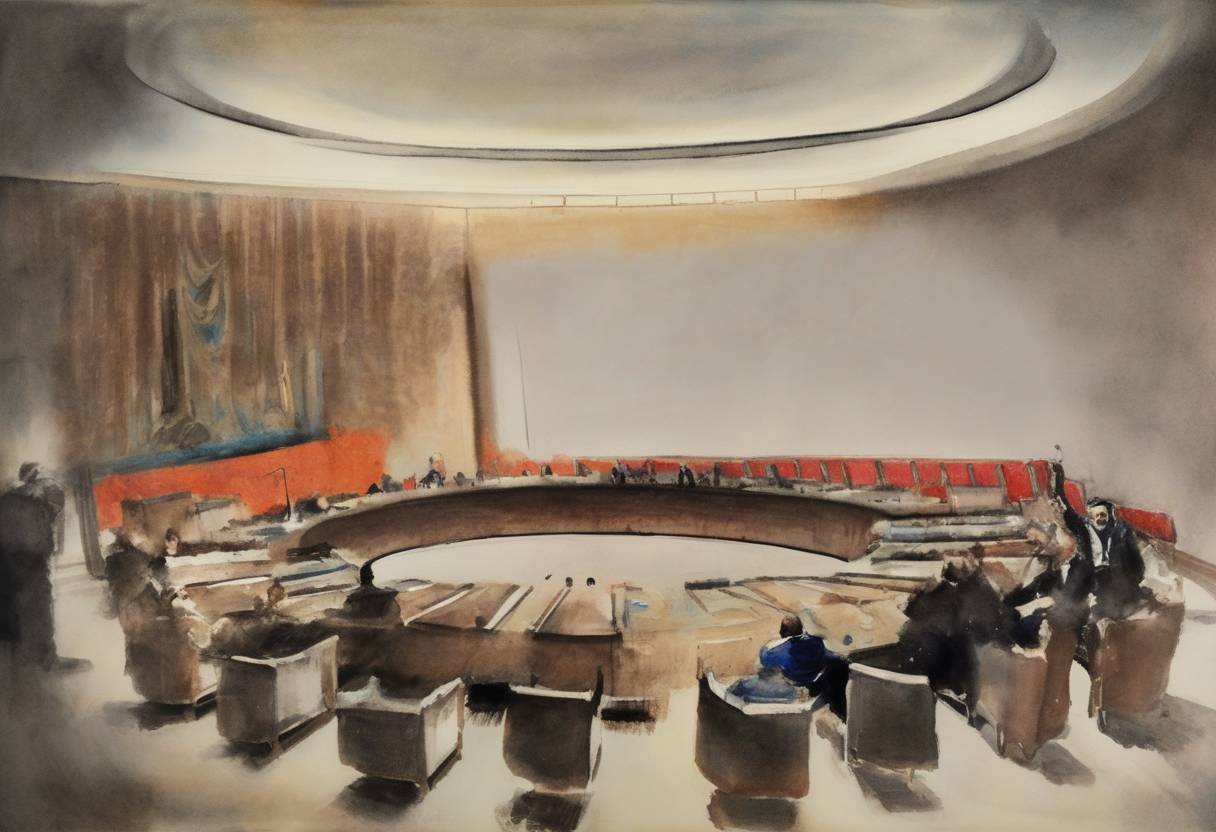
On April 9, 1947, the United Nations Security Council passed Resolution 22, addressing the escalating situation in Greece during its civil war. This conflict, primarily between the governmental army of Greece and the Democratic Army of Greece (communist fighters), had drawn international attention as part of the broader Cold War tensions. The passage of this Resolution followed concerns over serious border incidents and threats to international peace arising from the involvement of neighboring states.
After World War II, Greece was left politically unstable, with tensions escalating into a civil war starting in 1946. The conflict pit the government, supported by the United Kingdom and the United States, against communist insurgents. This struggle symbolized the larger ideological battle between Soviet and Western influence in post-war Europe.
Resolution 22 was part of the United Nations’ early efforts to manage and resolve international conflicts. The Resolution:
Though the resolution itself was limited in immediate effect, it set a precedent for international intervention in civil conflicts under the auspices of the United Nations during the Cold War era. It highlighted the global nature of the geopolitical struggle between communist and capitalist blocs. Continuous efforts by the international community, along with American financial and military aid under the Truman Doctrine, eventually helped the Greek government suppress the communist insurgency by 1949.
Resolution 22 is significant as an early example of postwar collective security efforts and illustrated challenges faced by the UN in implementing effective force without direct involvement in sovereign conflicts, a recurring theme in international diplomacy throughout the late 20th century.
Source: www.un.org