Abolition of Slavery in the British Empire: The Slavery Abolition Act 1833
1834 · London, United Kingdom
Slavery was abolished in the British Empire as the Slavery Abolition Act 1833 came into effect.
May 4, 1820
The founding of the African Institution to combat the slave trade and promote African rights.
London, United Kingdom | African Institution
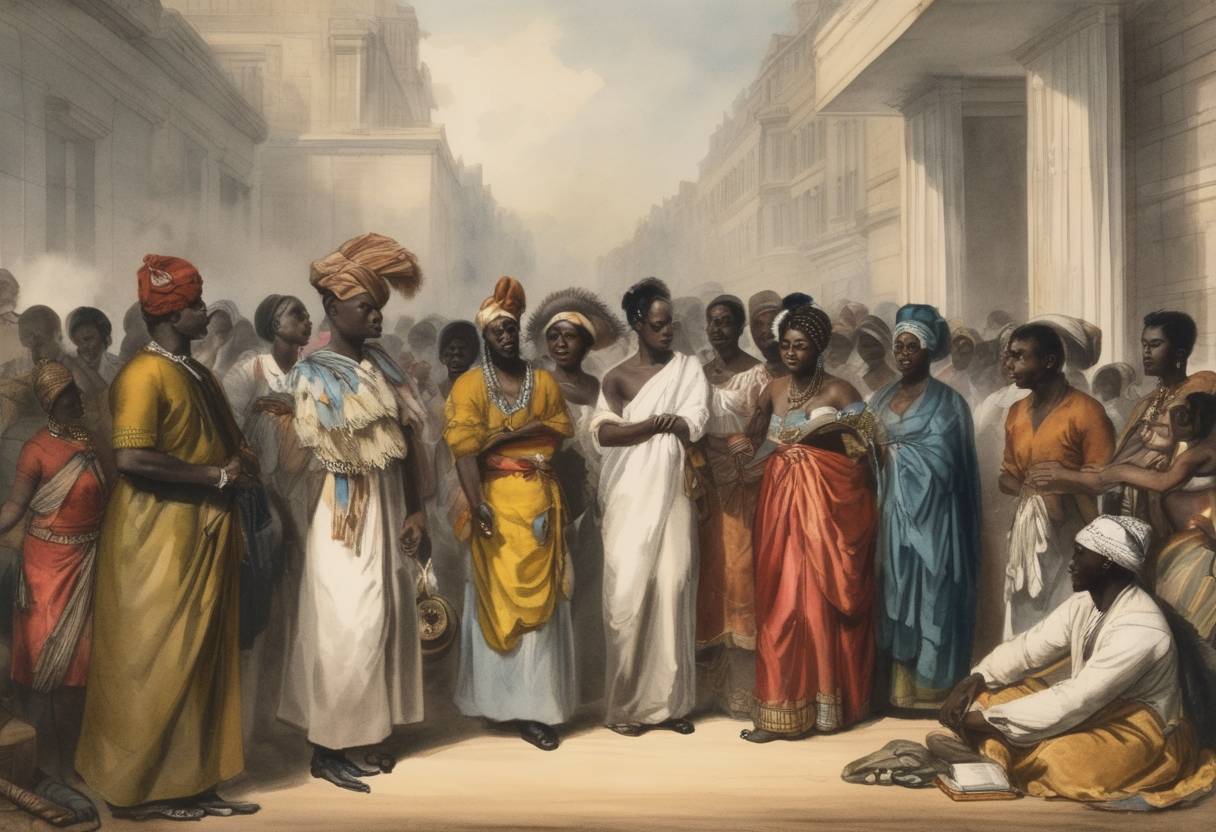
On April 5, 1820, the African Institution was founded in London. Although its primary establishment dates back to 1807, this particular moment in 1820 marked renewed efforts and commitments towards its goals, following changes in leadership and directions. The institution aimed to combat the transatlantic slave trade and promote the rights and welfare of Africans. It emerged in the wake of the British Parliament’s 1807 abolition of the slave trade, reflecting the growing anti-slavery sentiment in Britain.
The African Institution’s primary mission was to ensure the enforcement of anti-slavery laws and to support Africa’s economic development. It sought to:
The institution engaged in various activities, including lobbying the British government and spreading information about the conditions of Africans. It worked closely with abolitionists, religious groups, and other social reform movements to achieve its objectives.
The founding of the African Institution in 1820 came at a crucial time. After the Napoleonic Wars, there was renewed energy and attention to moral and humanitarian issues in the British Empire. As international dialogues on human rights began to take shape, such organizations played a critical role in advocating for change.
While the African Institution had high aspirations, it faced numerous challenges, including resistance from colonies dependent on slavery and slow bureaucratic progress. Critics argued that its efforts sometimes fell short due to limited resources and political will. Nevertheless, it played a significant part in the broader abolitionist movement, influencing policies and raising awareness on a global stage.
The initiatives and reports from the African Institution helped set the stage for subsequent anti-slavery activities and organizations. It fostered a network of activists and reformers who continued to advocate for the rights and dignity of Africans, contributing to the eventual abolition of slavery altogether in the British Empire in 1833. Its legacy can be seen in the foundation it laid for similar organizations and in how it helped shape the narrative of human rights in the 19th century.
Source: www.britannica.com