855 · Rome, Italy
Pope Leo IV dies. He was known for strengthening Rome's defenses and leading the rebuilding of the city after the Arab raids on Rome in 846.
June 14, 0847
Pope Leo IV was consecrated as the 103rd pope of the Roman Catholic Church, known for fortifying Rome against Saracen raids.
Rome, Italy | Roman Catholic Church
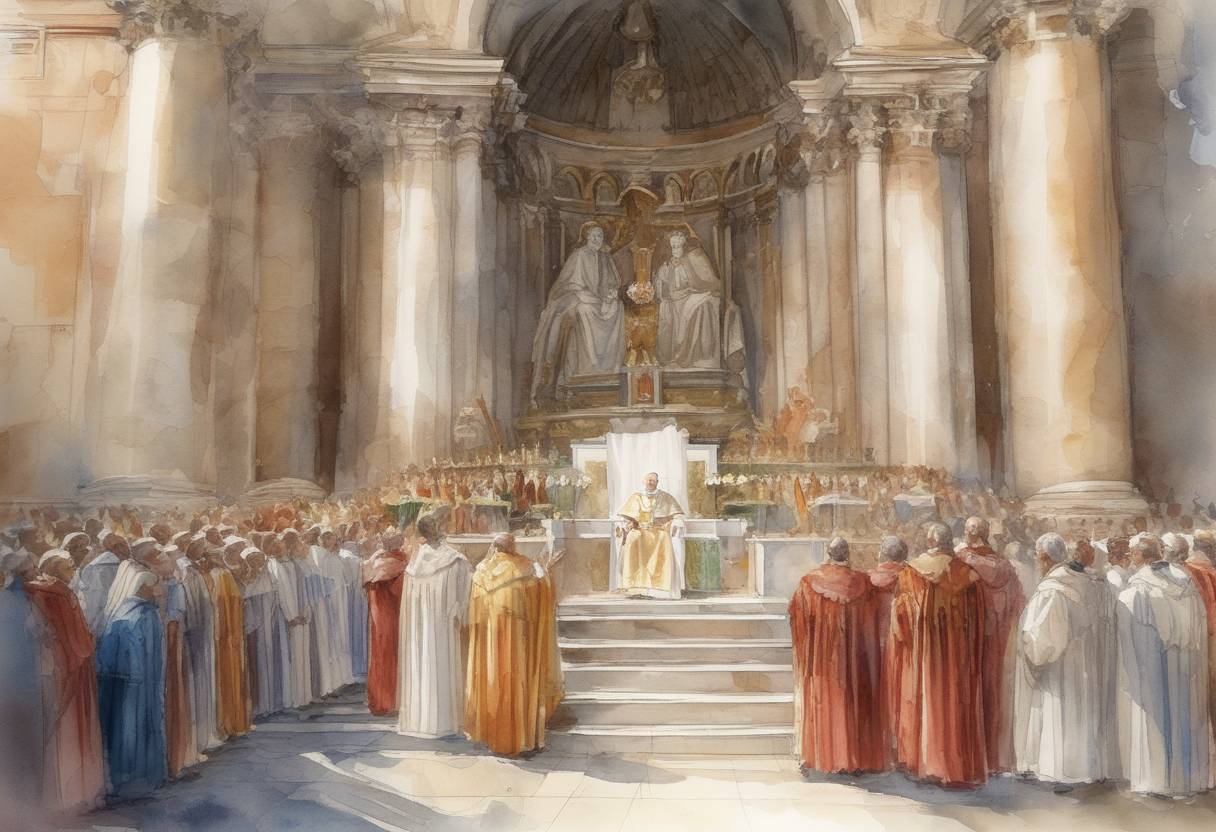
On June 14, 847, Pope Leo IV was consecrated as the 103rd pope of the Roman Catholic Church. His papacy is particularly noted for his efforts to fortify Rome against the threat of Saracen raids, which were a significant concern during his tenure.
The mid-9th century was a turbulent time for Rome and the Papal States. The Saracens, Muslim raiders from North Africa, had been conducting incursions into Italian territories, posing a substantial threat to the security of Rome. In 846, just a year before Leo IV’s consecration, the Saracens had attacked Rome, looting the outskirts and even reaching the basilicas of St. Peter and St. Paul.
Fortification of Rome: One of Pope Leo IV’s most significant contributions was the fortification of the city. He initiated the construction of the Leonine Wall, a massive defensive wall that enclosed the Vatican Hill and the area around St. Peter’s Basilica. This fortification was crucial in protecting Rome from future Saracen attacks.
Naval Alliance: Understanding the importance of maritime defense, Leo IV formed a naval alliance with several Italian cities, including Naples, Gaeta, and Amalfi. This coalition successfully defeated the Saracen fleet at the Battle of Ostia in 849, a victory that bolstered the security of the Papal States and demonstrated the effectiveness of Leo’s diplomatic and military strategies.
Religious and Cultural Contributions: Beyond his military and defensive efforts, Pope Leo IV was also dedicated to the spiritual and cultural life of the Church. He restored and embellished many churches in Rome that had been damaged by the Saracen raids. His papacy was marked by a commitment to the restoration of ecclesiastical order and the promotion of religious art and architecture.
Pope Leo IV’s actions had a lasting impact on the security and stability of Rome. The fortifications he established not only protected the city during his lifetime but also served as a defense mechanism for centuries to come. His successful defense against the Saracens and his efforts to strengthen the Papal States contributed to the consolidation of papal authority in the region.
Leo IV’s papacy is remembered for its proactive approach to external threats and its dedication to the preservation and enhancement of Rome’s religious and cultural heritage. His leadership during a time of crisis exemplified the role of the papacy in both spiritual and temporal matters, setting a precedent for future popes in dealing with external challenges.
In summary, Pope Leo IV’s consecration marked the beginning of a papacy that was pivotal in defending Rome from external threats and reinforcing its spiritual and cultural foundations. His legacy is one of resilience and strategic foresight, ensuring the safety and prosperity of the Papal States during a period of significant external pressure.
Source: en.wikipedia.org