The Founding of the National Geographic Society
1888 · Washington, D.C., United States
The National Geographic Society is founded in Washington, D.C., aiming to increase and diffuse geographic knowledge.
September 22, 1888
The first issue of National Geographic Magazine is published.
Washington, D.C., United States | National Geographic Society
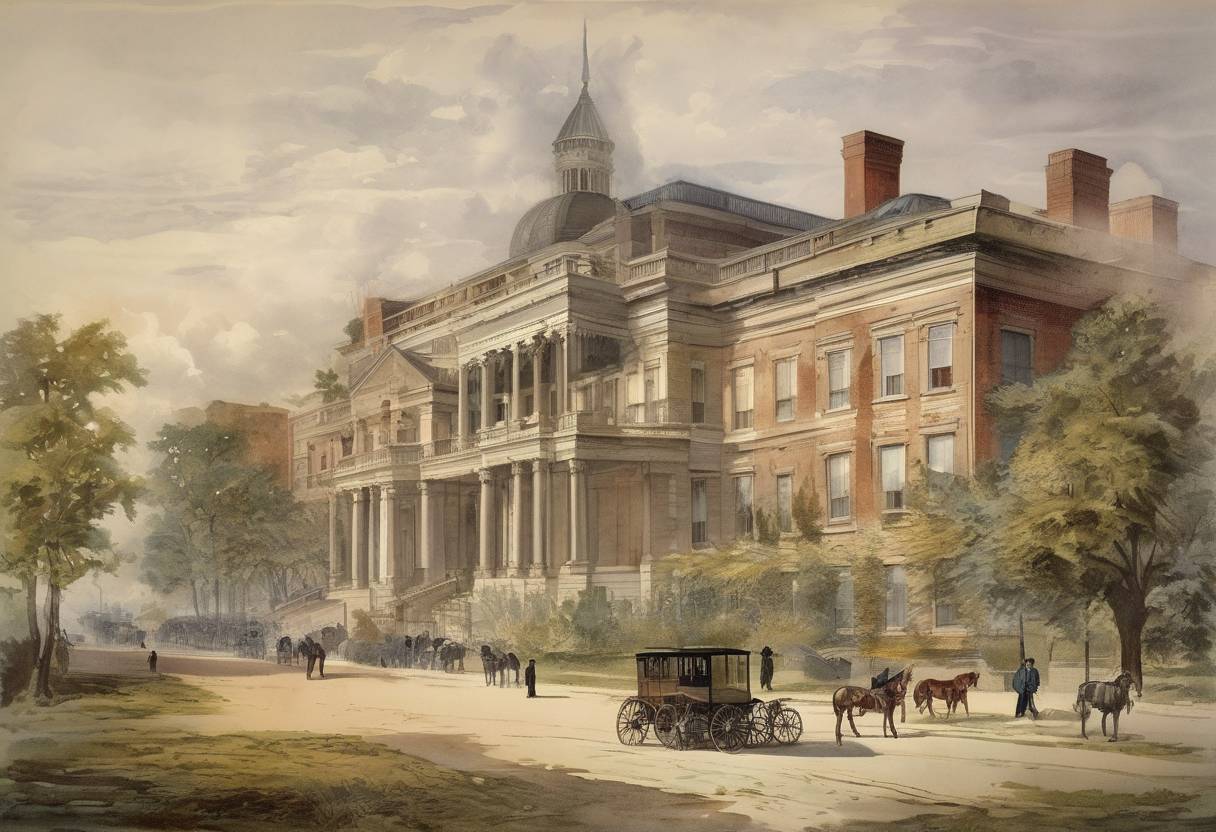
On September 22, 1888, the first issue of National Geographic Magazine was published, marking the beginning of a publication that would become one of the most respected and widely read magazines in the world. This inaugural issue was a significant milestone in the history of publishing and exploration, setting the stage for National Geographic’s future as a leader in geography, science, and world culture.
The National Geographic Society was founded on January 27, 1888, in Washington, D.C., by a group of 33 explorers and scientists. Their mission was to increase and diffuse geographic knowledge while promoting the conservation of the world’s cultural and natural resources. The society aimed to make geography accessible to the public and to inspire people to care about the planet.
The first issue of National Geographic Magazine was a modest publication, consisting of just 98 pages. It was primarily a scholarly journal, featuring articles that were heavily text-based and devoid of the stunning photography that would later become the magazine’s hallmark. The cover was simple, with no images, only text.
Over the years, National Geographic Magazine evolved from its academic roots into a publication renowned for its breathtaking photography, in-depth articles, and commitment to exploring the world’s cultures, landscapes, and wildlife. The magazine played a crucial role in popularizing the concept of photojournalism and became a staple in households around the globe.
The publication of the first issue of National Geographic Magazine on September 22, 1888, was a pivotal moment in the history of publishing and exploration. It laid the foundation for a magazine that would become a trusted source of knowledge and inspiration for millions of readers worldwide. Today, National Geographic continues to uphold its mission of exploring and protecting the planet, remaining as relevant and influential as ever.
Source: en.wikipedia.org