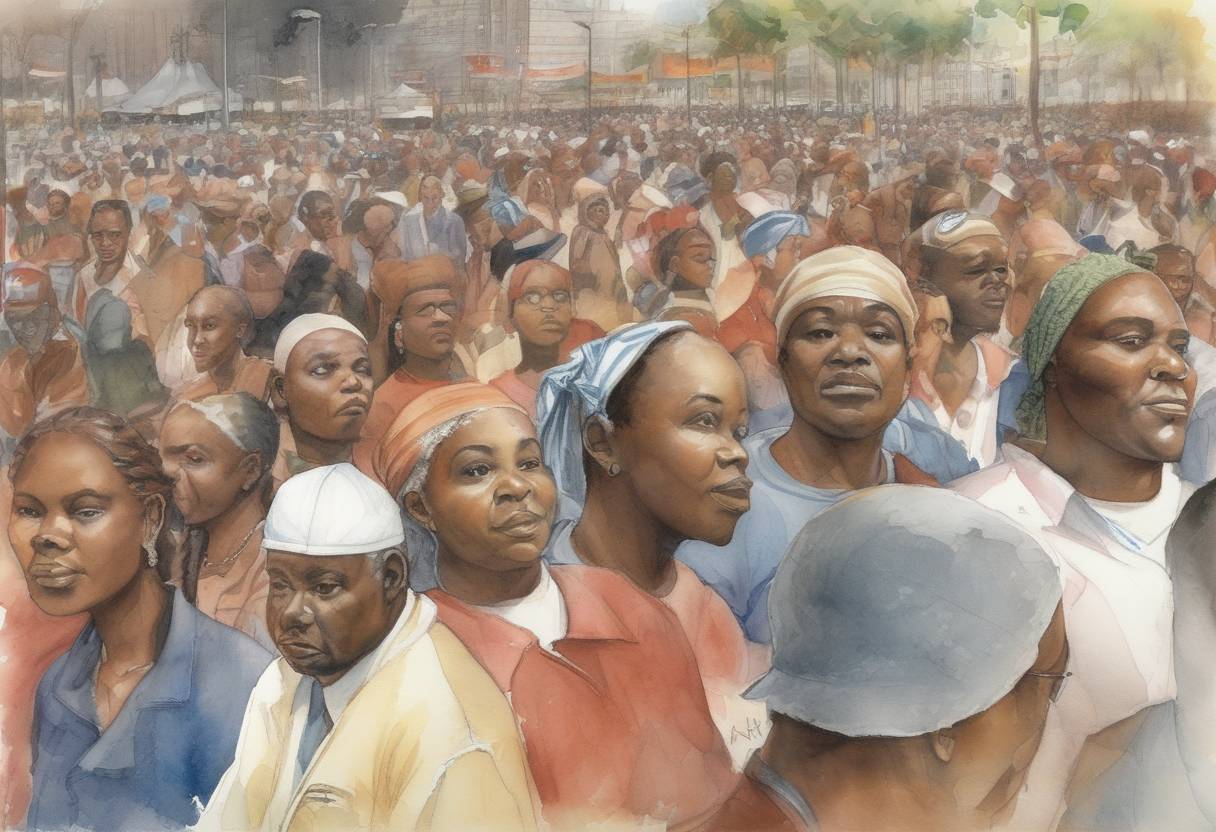
United Nations World Conference Against Racism (WCAR) - Durban, 2001
The United Nations World Conference against Racism, Racial Discrimination, Xenophobia and Related Intolerance (WCAR) took place in Durban, South Africa, from August 31 to September 8, 2001. This conference was a significant global event aimed at addressing and combating various forms of racism and discrimination worldwide.
Background
The WCAR was convened by the United Nations to provide a platform for governments, international organizations, and civil society to discuss and develop strategies to combat racism and related intolerance. The conference was part of a series of international efforts to address these issues, following previous conferences in 1978 and 1983.
Key Objectives
- Addressing Global Racism: The conference sought to tackle the persistent issues of racism, racial discrimination, xenophobia, and related intolerance across the globe.
- Promoting Equality: It aimed to promote equality and justice for all, regardless of race, ethnicity, or nationality.
- Developing Action Plans: The conference intended to develop concrete action plans and strategies for combating racism at national, regional, and international levels.
Controversies and Challenges
The Durban conference was marked by significant controversies and disagreements, particularly concerning the Middle East conflict:
- Middle East Conflict: The conference faced intense debates over the language used to describe the Israeli-Palestinian conflict. Some delegations pushed for language equating Zionism with racism, which led to significant tensions.
- US and Israeli Withdrawal: Due to the contentious discussions and perceived anti-Israel sentiment, the United States and Israel withdrew their delegations from the conference.
- NGO Forum: The parallel NGO Forum, which ran alongside the official conference, also faced criticism for its handling of the Middle East issue and was accused of fostering an anti-Semitic atmosphere.
Outcomes
Despite the controversies, the conference concluded with the adoption of the Durban Declaration and Programme of Action. This document outlined a comprehensive framework for combating racism and included commitments to:
- Address Historical Injustices: Recognize and address the legacy of slavery, colonialism, and apartheid.
- Promote Human Rights: Strengthen international human rights mechanisms to combat racism.
- Support Victims: Provide support and reparations for victims of racism and discrimination.
Historical Significance
The Durban Conference highlighted the complexities and sensitivities involved in addressing global racism and discrimination. It underscored the challenges of achieving consensus on contentious issues and the importance of dialogue and cooperation in the international community. Despite its controversies, the conference played a crucial role in raising awareness and setting a global agenda for combating racism and promoting equality.
The events and discussions at the WCAR continue to influence international policies and debates on racism and discrimination, reflecting the ongoing struggle for human rights and justice worldwide.