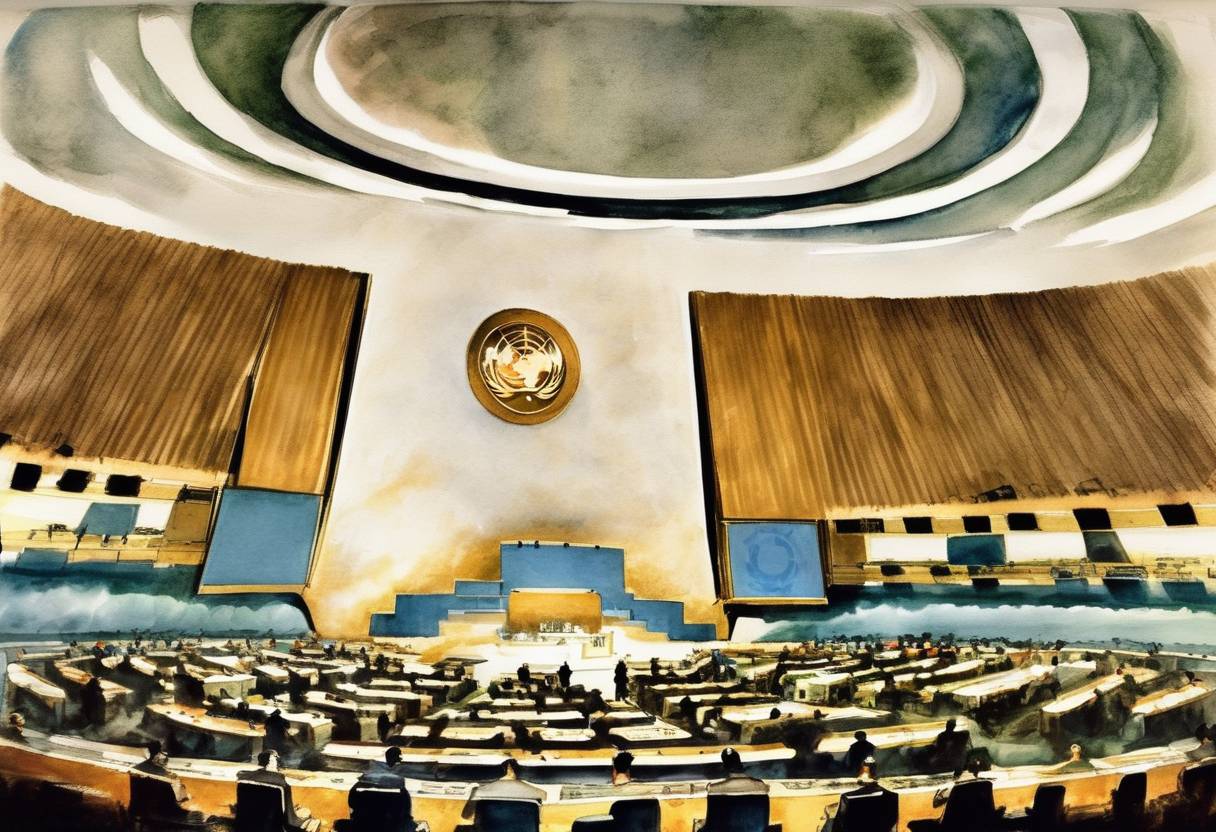
United Nations General Assembly Resolution on Apartheid - November 6, 1962
On November 6, 1962, the United Nations General Assembly passed a significant resolution condemning the apartheid policies of South Africa. This resolution, known as Resolution 1761, marked a pivotal moment in the international community’s response to the institutionalized racial segregation and discrimination enforced by the South African government.
Context Leading Up to the Resolution
Apartheid in South Africa: Introduced in 1948 by the National Party, apartheid was a system of institutionalized racial segregation and discrimination in South Africa. It enforced a hierarchy privileging the white minority over the non-white majority, affecting all aspects of life, including education, employment, and housing.
International Criticism: By the early 1960s, apartheid had drawn widespread international condemnation. Many countries and organizations criticized South Africa’s policies, and there was growing pressure for the global community to take a stand against these human rights violations.
Role of African Nations: Newly independent African nations played a crucial role in bringing attention to apartheid at the United Nations. They were instrumental in pushing for a stronger international stance against South Africa’s racial policies.
Key Aspects of the Resolution
Condemnation of Apartheid: Resolution 1761 explicitly condemned the apartheid policies of South Africa, labeling them as a violation of the United Nations Charter and a threat to international peace and security.
Call for Sanctions: The resolution called upon all UN member states to cease military and economic relations with South Africa. This included an arms embargo and the suspension of trade and financial dealings that could support the apartheid regime.
Establishment of a Special Committee: The resolution led to the creation of a Special Committee against Apartheid, tasked with monitoring the situation in South Africa and promoting international action against apartheid.
Aftermath and Historical Significance
Impact on South Africa: Although the resolution was not legally binding, it significantly increased international pressure on South Africa. The call for sanctions and the establishment of the Special Committee highlighted the growing isolation of the apartheid regime.
Global Movement Against Apartheid: Resolution 1761 galvanized the global anti-apartheid movement, encouraging activism and solidarity across the world. It laid the groundwork for subsequent actions and resolutions aimed at dismantling apartheid.
Long-term Consequences: The resolution was an early step in a long international campaign that eventually contributed to the end of apartheid. It underscored the role of international diplomacy and collective action in addressing human rights abuses.
In summary, the passage of Resolution 1761 on November 6, 1962, was a landmark event in the global fight against apartheid. It demonstrated the United Nations’ commitment to human rights and set the stage for future efforts to dismantle racial segregation in South Africa.