John Cabot's Landing in North America - June 24, 1497
1497 · Newfoundland, Canada
John Cabot, an Italian navigator and explorer, landed in North America, likely on the coast of Newfoundland, claiming the land for England.
March 5, 1496
King Henry VII of England issues letters patent to John Cabot and his sons, authorizing them to explore unknown lands.
London, England | English Crown
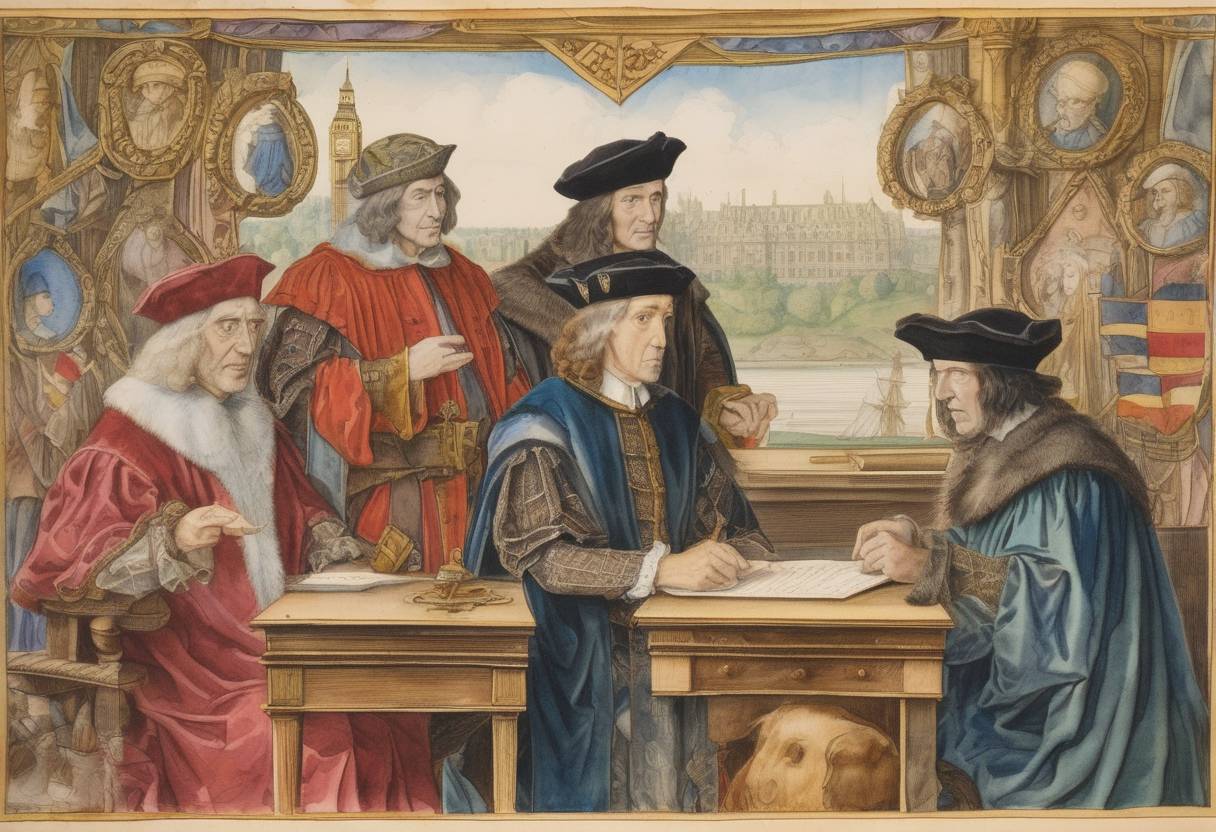
On March 5, 1496, King Henry VII of England issued letters patent to the Venetian explorer John Cabot and his sons. This significant document authorized them to explore unknown lands on behalf of the English crown. This event marked a pivotal moment in the Age of Discovery, as it laid the groundwork for England’s future claims in the New World.
Age of Exploration: The late 15th century was a period of intense maritime exploration, driven by European powers seeking new trade routes and territories. Christopher Columbus’s successful voyage to the Americas in 1492 had spurred interest in further exploration.
John Cabot: Born Giovanni Caboto in Genoa, Italy, Cabot was a skilled navigator and explorer. He moved to Venice and later to England, where he sought royal backing for his exploratory ambitions.
England’s Interest: At the time, England was eager to compete with Spain and Portugal, who were leading the exploration efforts. King Henry VII saw an opportunity to expand English influence and trade through Cabot’s ventures.
Authorization: The letters patent granted Cabot and his sons the right to sail under the English flag and explore “unknown lands” across the Atlantic. They were permitted to claim these lands for England, provided they were not already claimed by a Christian monarch.
Privileges: The document allowed Cabot to have a monopoly on any trade established with the new territories. It also promised him a share of the profits from any discoveries.
Conditions: Cabot was required to finance the expedition himself, and he was expected to return to Bristol, England, with any goods or information obtained.
Voyage of 1497: In 1497, Cabot embarked on his most famous voyage, which led to the discovery of parts of North America, likely the coast of Newfoundland. This was one of the earliest European explorations of the continent since the Norse expeditions.
Impact on England: Cabot’s discoveries provided England with a basis for future claims in North America, setting the stage for later English colonization efforts.
Legacy: The issuance of the letters patent to Cabot is considered a foundational moment in the history of English exploration, influencing subsequent explorers and the eventual establishment of the British Empire.
In summary, the letters patent issued by King Henry VII to John Cabot on March 5, 1496, were a crucial step in England’s participation in the Age of Discovery. This event not only highlighted the competitive spirit of European powers during this era but also initiated England’s long-term involvement in transatlantic exploration and expansion.
Source: en.wikipedia.org