2013 · Vatican City, Vatican City
Pope Francis was inaugurated as the 266th pope of the Roman Catholic Church, becoming the first pope from the Americas and the Southern Hemisphere.
February 11, 2013
Pope Benedict XVI announced his resignation, becoming the first pope to do so in nearly 600 years.
Vatican City, Vatican City | Roman Catholic Church
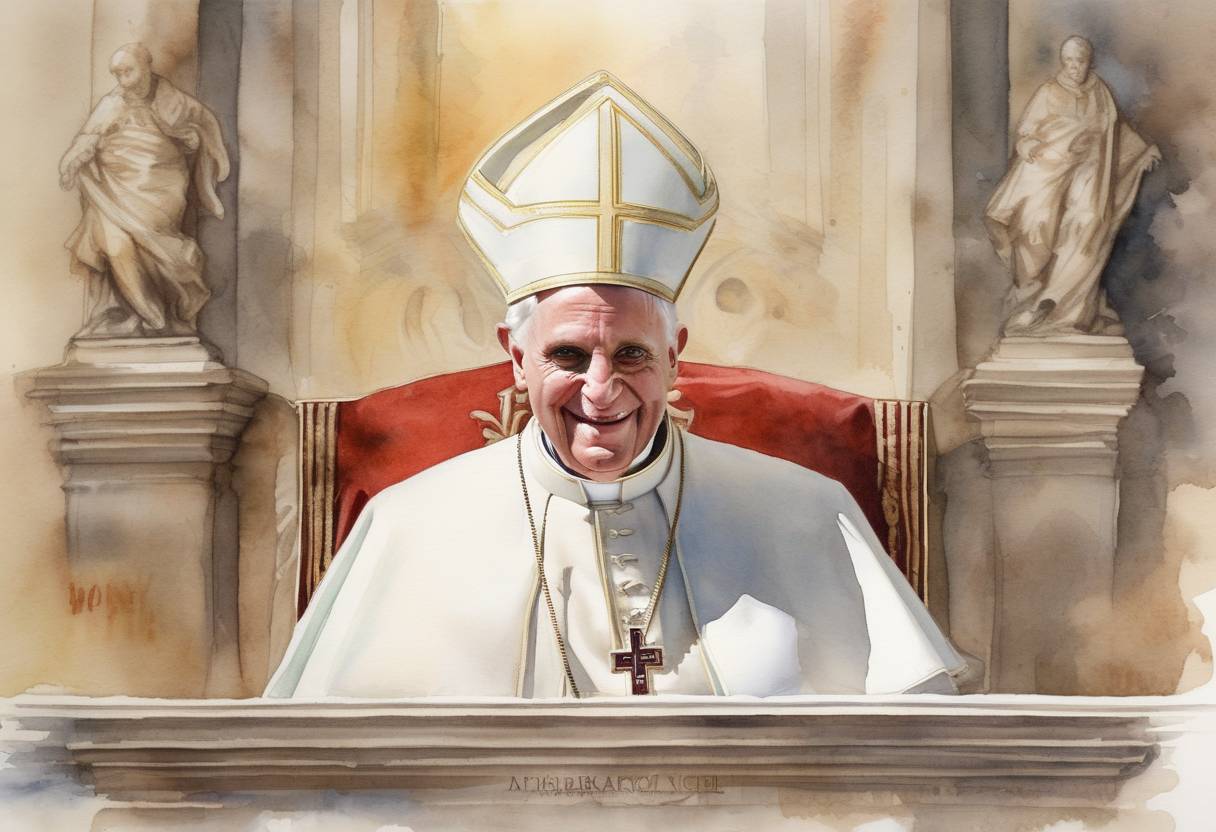
On February 11, 2013, Pope Benedict XVI made a historic announcement that he would resign from the papacy, effective February 28, 2013. This decision marked the first papal resignation in nearly 600 years, the last being Pope Gregory XII in 1415.
Papal Tenure: Pope Benedict XVI, born Joseph Ratzinger, was elected as the 265th pope on April 19, 2005, following the death of Pope John Paul II. His papacy was noted for its emphasis on traditional Catholic values and teachings.
Health and Age: At the time of his resignation, Benedict was 85 years old. He cited his advanced age and declining strength as reasons for stepping down, expressing concern that he might not be able to fulfill the demands of the papacy effectively.
Challenges During Papacy: Benedict’s tenure faced numerous challenges, including the global clerical sexual abuse scandal, which required significant attention and action from the Vatican.
Vatican Leaks: The “Vatileaks” scandal, involving the unauthorized release of confidential Vatican documents, exposed internal conflicts and corruption, adding pressure to his leadership.
Location and Delivery: The announcement was made during a routine meeting of cardinals at the Vatican. Delivered in Latin, the declaration took many by surprise, including those within the Vatican hierarchy.
Content of the Announcement: Benedict emphasized his decision was made freely and for the good of the Church, acknowledging the physical and mental demands of the papacy.
Conclave and Successor: Following his resignation, a conclave was convened, resulting in the election of Pope Francis on March 13, 2013. Pope Francis became the first pope from the Americas and the first Jesuit pope.
Benedict’s Role Post-Resignation: After stepping down, Benedict adopted the title “Pope Emeritus” and retired to a life of prayer and reflection within the Vatican.
Precedent and Impact: Benedict’s resignation set a modern precedent for future popes, demonstrating that resignation could be a viable option in cases of incapacity or other significant reasons.
Church Dynamics: The transition highlighted the evolving nature of the papacy in addressing contemporary challenges and the importance of adaptability within the Church’s leadership.
Pope Benedict XVI’s resignation remains a pivotal moment in the history of the Catholic Church, reflecting both the personal humility of the pontiff and the broader institutional challenges faced by the Vatican in the 21st century.
Source: www.nytimes.com