Barack Obama's Historic Visit to Cuba on March 20, 2016
2016 · Havana, Cuba
President Barack Obama becomes the first sitting U.S. president to visit Cuba in 88 years, marking a significant step in the thawing of relations between the two countries.
November 16, 2000
Bill Clinton, President of the United States, became the first American head of state to visit Vietnam since the end of the Vietnam War, seeking to promote bilateral relations and support economic reforms in Vietnam.
Hanoi, Vietnam | United States Government
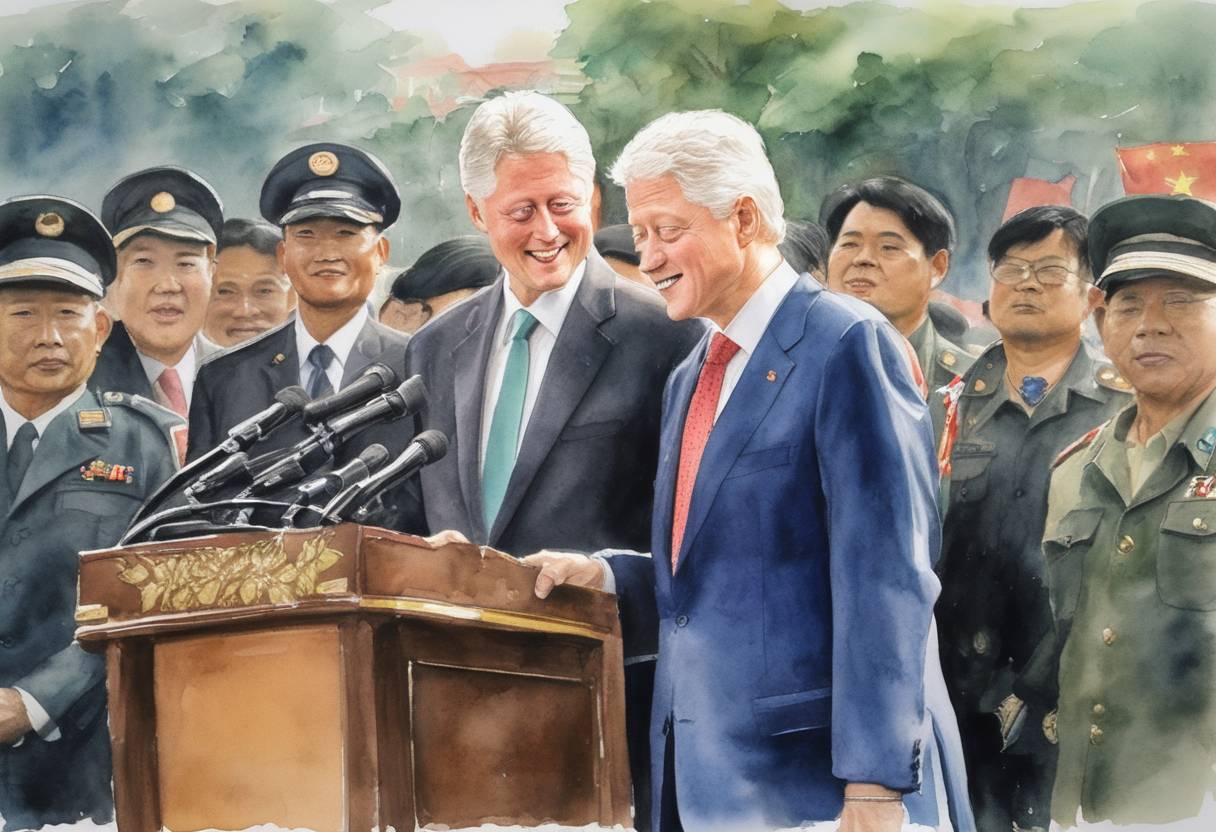
On November 16, 2000, U.S. President Bill Clinton embarked on a historic visit to Vietnam, marking a significant moment in U.S.-Vietnam relations. This visit was the first by an American head of state since the end of the Vietnam War, symbolizing a new chapter in the relationship between the two nations.
The Vietnam War, which ended in 1975, left a deep and lasting impact on both countries. Over the years, diplomatic relations were non-existent until a slow process of normalization began. In 1995, two decades after the fall of Saigon, the United States and Vietnam officially restored diplomatic relations. However, many political and economic barriers remained.
President Clinton’s visit aimed to accomplish several objectives:
Strengthening Bilateral Relations: By visiting Vietnam, Clinton sought to reinforce the normalization of relations and encourage continued dialogue and cooperation between the two nations.
Economic Reforms and Trade: Encouraging economic reforms in Vietnam was a priority. The U.S. viewed Vietnam as a potential market for American goods and services, as well as an emerging economic partner in Asia.
Addressing War Legacies: The trip also included a focus on resolving issues stemming from the war, such as locating missing soldiers (MIAs) and addressing the impact of Agent Orange.
During his visit, Clinton met with Vietnamese leaders, including President Tran Duc Luong and Prime Minister Phan Van Khai. These discussions centered around economic ties, trade agreements, and cooperation on regional security issues.
Clinton also visited cultural and historical sites, providing gestures of goodwill and reflecting on the shared history and the potential for a peaceful future between the two nations.
Clinton’s visit was a critical step in deepening U.S.-Vietnam relations. It paved the way for further cooperation in trade, investment, and security. The visit also demonstrated a shift towards reconciliation and healing from past conflicts, helping to foster mutual understanding and partnership.
Economically, this visit laid the groundwork for the U.S.-Vietnam Bilateral Trade Agreement, which was signed in July 2000 and came into force in December 2001, significantly boosting trade between the two countries.
In conclusion, President Clinton’s visit to Vietnam marked a transformative moment that helped bridge historical gaps and set the stage for comprehensive engagement between the United States and Vietnam in the ensuing decades.
Source: www.nytimes.com