May 26, 1942

The United States and Mexico sign the Mexican Farm Labor Agreement, initiating the Bracero Program which allowed Mexican workers to work temporarily in the United States agriculture sector.


Washington D.C., United States | United States Government
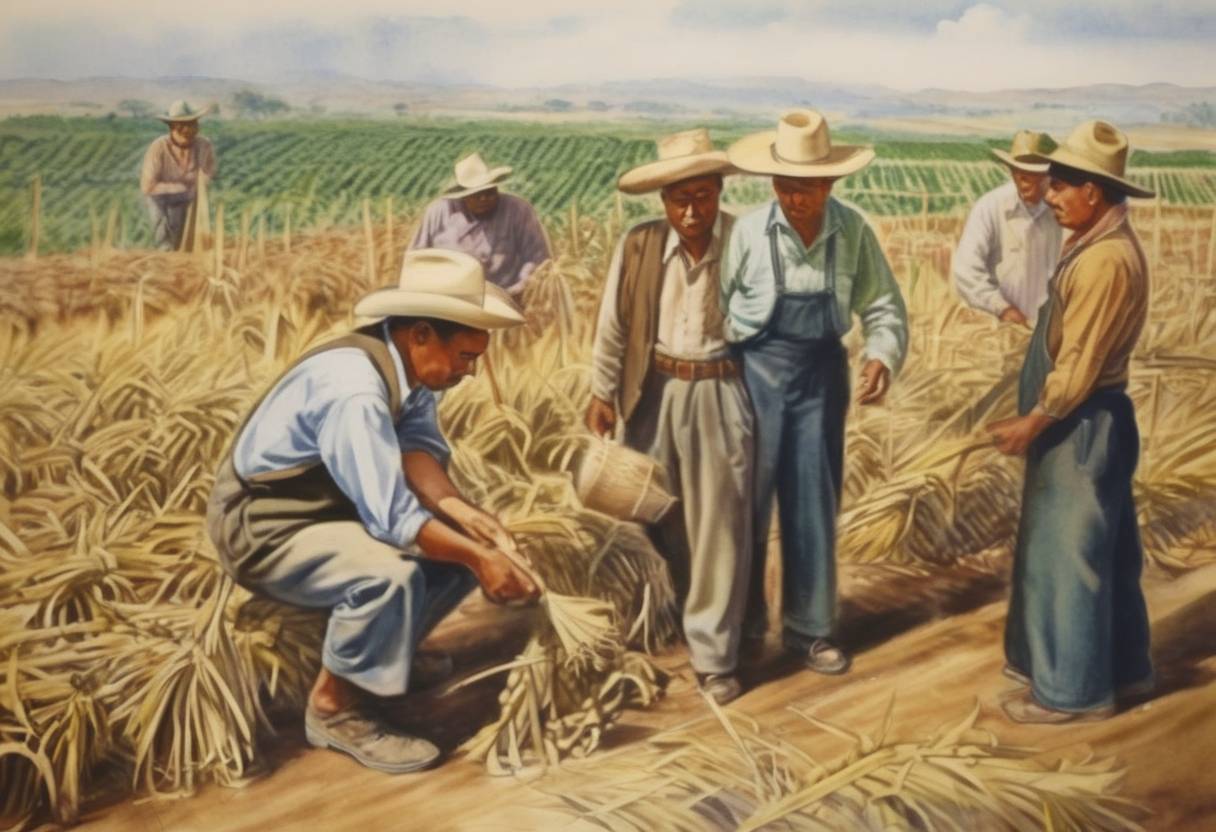
Watercolor painting based depiction of The United States and Mexico sign the Mexican Farm Labor Agreement, initiating the Bracero Program which allowed Mexican workers to work temporarily in the United States agriculture sector. (1942)

Mexican Farm Labor Agreement - The Bracero Program

On May 26, 1942, representatives of the United States and Mexico signed the Mexican Farm Labor Agreement, which initiated the Bracero Program. This bilateral initiative was designed to address labor shortages in the United States’ agricultural sector during World War II, as many American workers were engaged in military service or defense industries.

Context and Background

  • World War II Labor Shortages: The war effort significantly depleted the available domestic workforce in the United States, creating urgent needs in critical sectors such as agriculture.
  • U.S.-Mexico Relations: The program built on existing diplomatic relations between the U.S. and Mexico, facilitating mutual economic benefits and cooperation during the wartime period.

Key Terms of the Agreement

  • Temporary Labor: The agreement allowed Mexican workers to enter the United States on a temporary basis to work primarily in agriculture.
  • Work Conditions: Bracero workers were guaranteed certain labor conditions, including housing, transportation, and a stipulated minimum wage, although enforcement of these conditions was often inadequate.
  • Duration: Originally intended as a temporary measure, the program was renewed multiple times, eventually lasting until 1964.

Impact and Aftermath

  • Economic Contributions: The Bracero Program significantly boosted agricultural productivity in the United States and contributed to the war effort.
  • Social and Cultural Effects: It influenced migration patterns and strengthened cultural and familial ties between the two nations, laying a foundation for future labor agreements.
  • Criticism and Legacy: Despite its economic benefits, the program faced criticism for exploitation and poor living conditions for workers. It remains a critical reference point in discussions about immigration and labor policy in the U.S.

The signing of the Mexican Farm Labor Agreement marked a pivotal moment in U.S.-Mexico relations during the mid-20th century and initiated a program that would have lasting social, economic, and political repercussions.