The Opening of The British Museum: January 15, 1759
1759 · London, England
The British Museum opened to the public for the first time.
January 10, 1569
First recorded lottery in England held in London.
London, England | English government
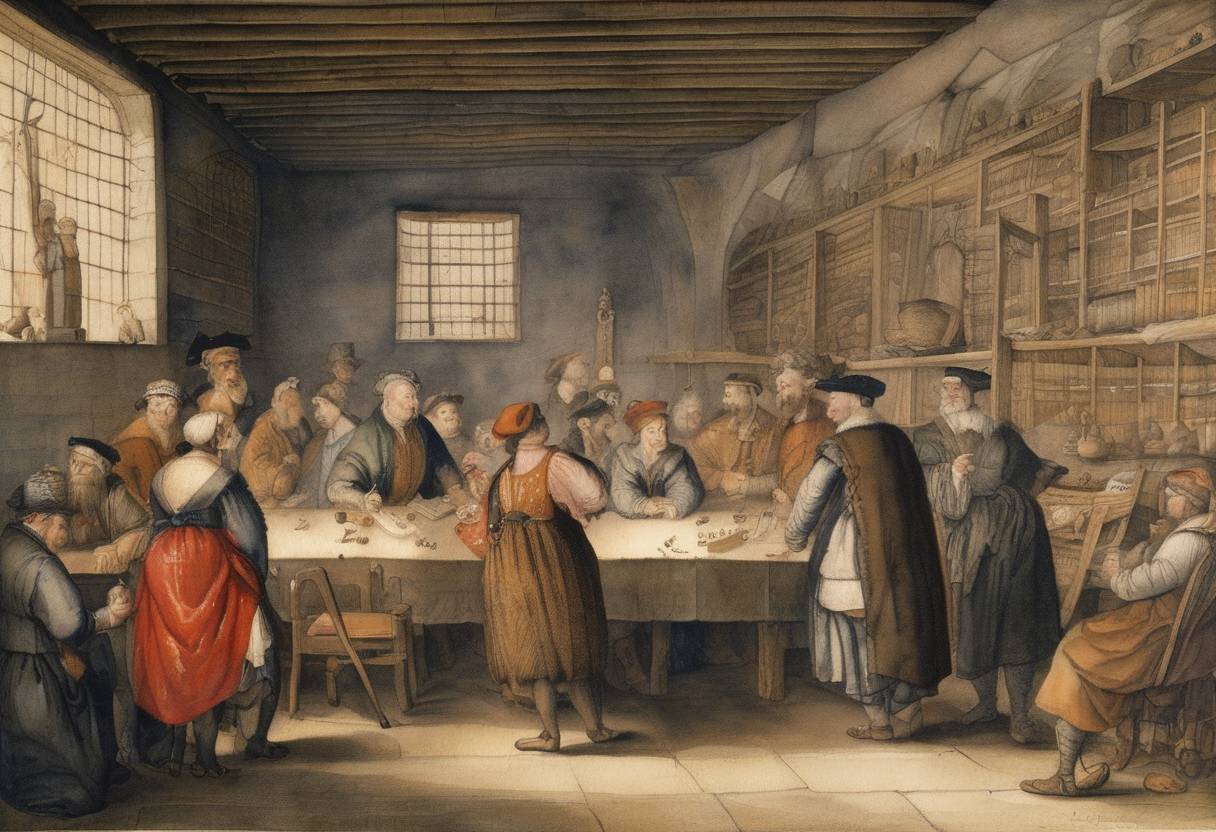
The first recorded lottery in England took place on January 10, 1569, in London. Authorized by Queen Elizabeth I, the lottery aimed to raise funds for repairing harbors and providing other public works, as well as to strengthen England’s economic stability through innovative financial methods.
In the 16th century, England faced financial challenges and was exploring alternative means to fund public projects without levying additional taxes. Lotteries had been used in Europe since the 15th century to raise money, and they gained popularity for their ability to finance public endeavors while offering participants a chance to win prizes.
The 1569 lottery was advertised as a national event with widespread participation encouraged. Tickets were sold for ten shillings each, which was a considerable sum at the time, limiting access primarily to wealthier individuals and organizations. Despite the high entry cost, the lottery drew significant interest, leading to the large-scale sale of tickets.
The prizes included a wide array of valuable items such as silver plates, tapestries, and other items of wealth, rather than monetary payouts. The draw took place at the west door of Saint Paul’s Cathedral in London. The event was regulated to ensure fairness, which helped establish public trust in these proceedings.
The success of this lottery marked the beginning of state-sanctioned lotteries in England, setting a precedent for future lotteries as a means of raising funds for public purposes. Over the following centuries, lotteries would evolve, eventually becoming an institutionalized method of funding in many parts of the world.
The initial lottery laid the groundwork for future public financial initiatives. The funds raised contributed to infrastructure improvements crucial to England’s development during Elizabeth I’s reign. The popularity and effectiveness of lotteries in raising funds without direct taxation continued to influence British financial strategies.
The 1569 lottery is remembered not only as the first English lottery but also as a significant event that demonstrated the government’s ability to harness public participation for economic improvement. This innovative approach to fundraising exemplifies the adaptive strategies of Elizabethan England in dealing with fiscal challenges.
Source: en.wikipedia.org