Theresa May Announces Resignation - May 24, 2019
2019 · London, United Kingdom
British Prime Minister Theresa May announces her resignation as leader of the Conservative Party, effective June 7, amid Brexit negotiations.
November 22, 1990
Margaret Thatcher announced her resignation as Prime Minister of the United Kingdom after failing to win sufficient support in a Conservative Party leadership contest.
London, United Kingdom | Conservative Party
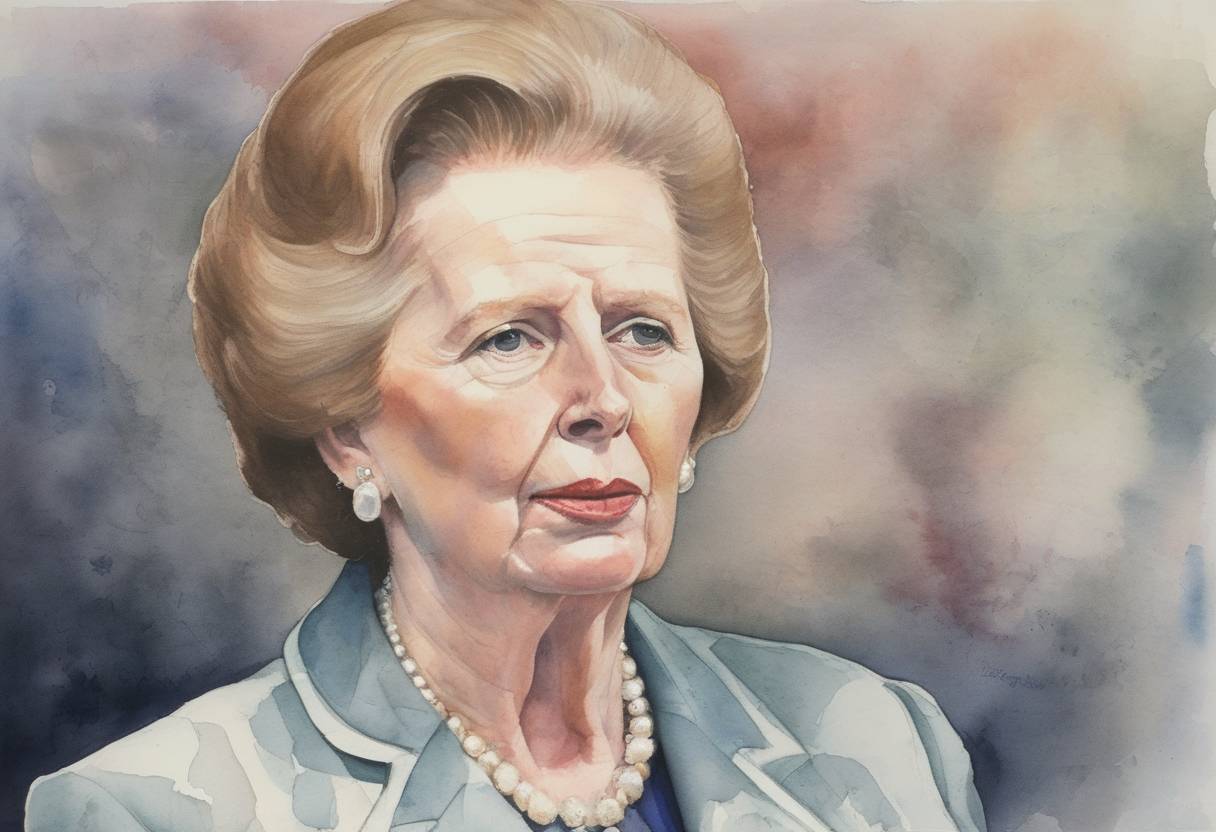
On November 22, 1990, Margaret Thatcher, the first female Prime Minister of the United Kingdom, announced her resignation after failing to secure enough support in a Conservative Party leadership contest. This marked the end of her 11-year tenure as Prime Minister, a period characterized by significant economic and political changes in the UK.
Margaret Thatcher became Prime Minister in 1979, leading the Conservative Party to a decisive victory. Her tenure was marked by a series of transformative policies, often referred to as “Thatcherism,” which included:
By 1990, Thatcher’s popularity had waned due to economic challenges, internal party divisions, and public opposition to the poll tax.
The immediate catalyst for Thatcher’s resignation was a leadership challenge from within her own party. Michael Heseltine, a prominent Conservative MP and former Cabinet minister, announced his candidacy for the leadership of the Conservative Party, citing dissatisfaction with Thatcher’s leadership style and policies.
In the first ballot of the leadership contest, held on November 20, 1990, Thatcher won the most votes but failed to secure the necessary majority to avoid a second ballot. Despite her initial determination to continue the fight, she was advised by her Cabinet and senior party members that her position was untenable.
On November 22, 1990, Thatcher announced her decision to resign as Prime Minister and leader of the Conservative Party. Her resignation speech was delivered with a mix of defiance and emotion, acknowledging her achievements while expressing disappointment at the manner of her departure.
Thatcher’s resignation was a pivotal moment in UK history, reflecting the complexities of political leadership and the challenges of maintaining party unity amidst contentious policies.
Source: en.wikipedia.org