Richard III Crowned King of England
1483 · London, England
Richard III was crowned King of England, marking the beginning of his short and controversial reign.
June 20, 1483
Richard of Gloucester, later known as Richard III, began to take control of the English government as the Lord Protector during the minority of his nephew, King Edward V.
London, England | English Government
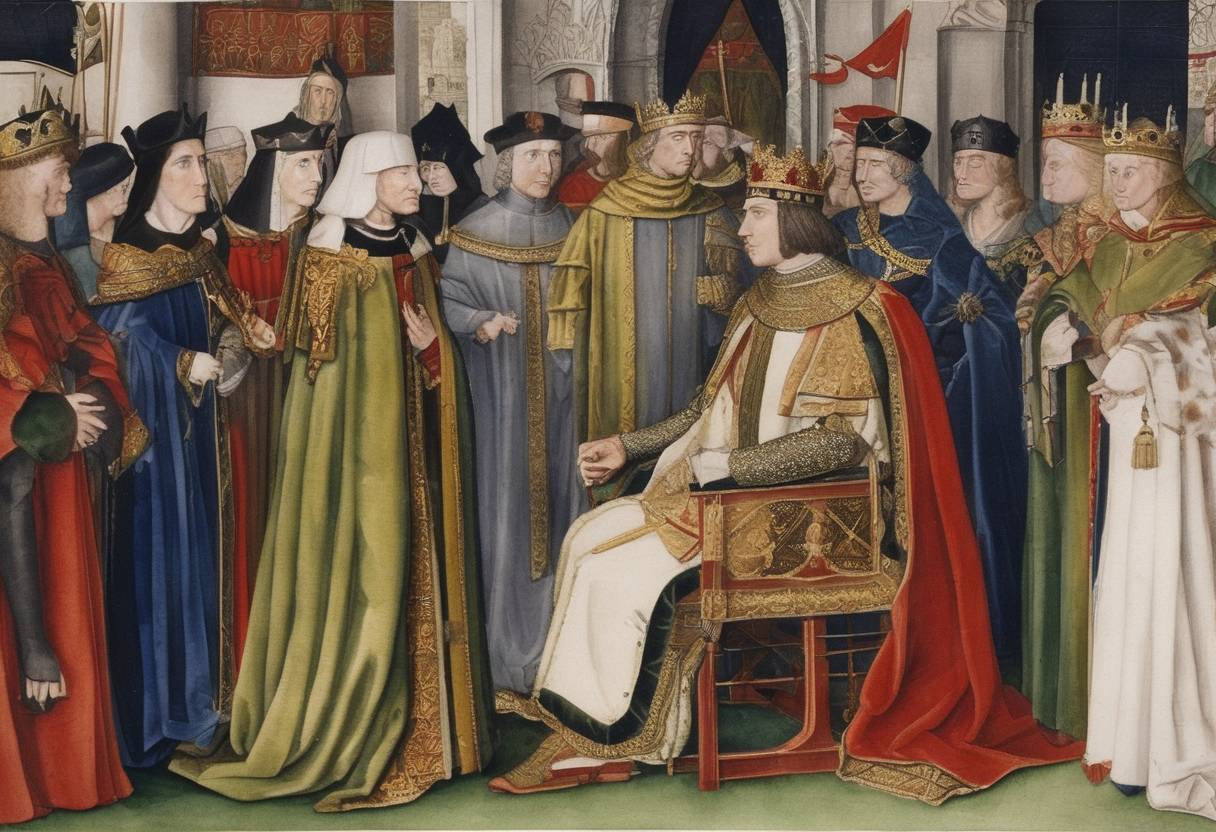
On June 20, 1483, Richard of Gloucester, the younger brother of the late King Edward IV, began to solidify his control over the English government as he assumed the position of Lord Protector. This pivotal moment came during the minority of his nephew, King Edward V, following Edward IV’s sudden death on April 9 of that year.
Edward IV’s death left the English crown to his twelve-year-old son, Edward V. The young king’s minority necessitated the appointment of a regent to manage the affairs of the kingdom. Initially, Edward IV’s will named his widow, Elizabeth Woodville, and her family as part of the council to aid in governance. However, tensions existed between the Woodvilles and other nobles, including Richard of Gloucester.
Richard, previously appointed as the Lord Protector by his brother Edward IV, believed it was his duty to oversee his nephew’s accession and protect his interests. As the closest surviving male relative with a strong military and political background, Richard sought to prevent the Woodvilles from consolidating power.
Richard of Gloucester’s journey to power involved various strategic moves:
Arrest of Rivals: On April 30, Richard, along with Henry Stafford, Duke of Buckingham, intercepted young Edward V and arrested several prominent Woodvilles, including the Earl Rivers, ensuring that the boy king would not reach London under his mother’s influence.
Control over Edward V: By taking custody of Edward V, Richard effectively controlled the young king’s movements and decisions. This ensured that he could navigate political manipulation without interference from the Woodvilles.
Proclamation as Lord Protector: On June 20, the council officially recognized Richard as the Lord Protector. This endorsement by the council marked a decisive moment wherein Richard’s governance was legitimized amid the power vacuum following his brother’s death.
Richard’s ascendancy to power set a series of turbulent events into motion:
Coronation Plans for Edward V: Initially scheduled for May 1483, the coronation was delayed indefinitely, causing speculation and tension among royal supporters.
Consolidation of Power: Richard’s hold on the government strengthened as he strategically placed loyal supporters in key positions, further diminishing the Woodville family’s influence.
Rumors and Political Maneuvering: Rumors began to circulate about the legitimacy of Edward IV’s marriage, suggesting that Edward V was illegitimate, paving a path for Richard’s eventual claim to the throne.
Richard of Gloucester’s role as Lord Protector was a crucial moment leading up to his eventual ascension as King Richard III later that year. His manipulation of political structures and control over the royal family reshaped English history during the latter half of the fifteenth century, marking the beginning of a controversial and short-lived reign.
Source: en.wikipedia.org