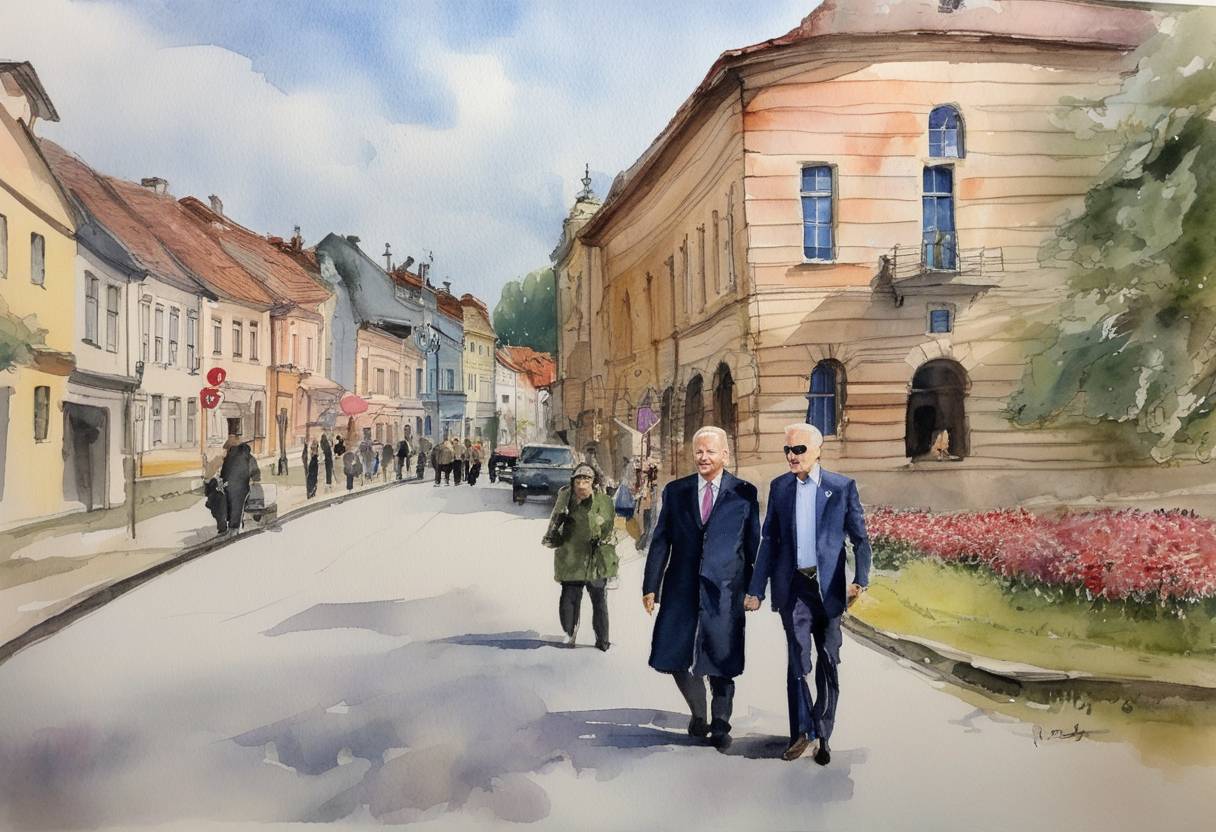
Joe Biden’s Visit to Poland on March 25, 2022
On March 25, 2022, U.S. President Joe Biden visited Poland, marking a significant diplomatic engagement amid the ongoing Russo-Ukrainian War. The visit aimed to demonstrate strong U.S. support for NATO allies in Eastern Europe who were highly concerned about the potential for Russian aggression following its invasion of Ukraine.
Context and Background
The Russo-Ukrainian War, which began in February 2014 when Russia annexed Crimea and escalated with the 2022 full-scale invasion, was a critical point of concern for global security. Poland, a NATO member with a substantial border with Ukraine, was on the frontline of the humanitarian crisis resulting from the war and had reinforced its defenses against possible Russian incursions.
Key Events of the Visit
Meeting with President Andrzej Duda: President Biden met with Polish President Andrzej Duda to discuss defense strategies and reaffirm the U.S.’s commitment to Article 5 of the NATO treaty, which promises collective defense.
Visit to the Ukrainian Border: Biden’s itinerary included a visit to the town of Rzeszów, near the Ukrainian border, where he met with U.S. troops deployed in Poland. This served as a gesture of solidarity with European allies and a reassurance of the U.S. military’s readiness in the region.
Humanitarian Efforts: During the visit, Biden was briefed on humanitarian aid efforts in response to the refugee crisis, as millions of Ukrainians fled the conflict. His discussions emphasized the importance of international aid and support for Ukraine.
Public Address: Biden delivered a public address reinforcing the unity of NATO allies and condemning Russian aggression. His speech underscored the broader implications of the conflict on global democracy and security.
Aftermath and Consequences
The visit was part of a broader Western strategy to bolster NATO’s eastern flank and deter further Russian expansion. It helped strengthen transatlantic ties and evidenced the U.S.’s strategic focus on maintaining the integrity of European security architecture. The continued collaboration between the U.S. and its NATO allies played a crucial role in formulating a collective response to ongoing challenges posed by the conflict, including implementing sanctions against Russia and supporting Ukraine militarily and humanitarianly.
President Biden’s presence in Poland highlighted the geopolitical stakes of the conflict and reinforced the Western alliance’s resolve in addressing the challenges presented by Russian actions.