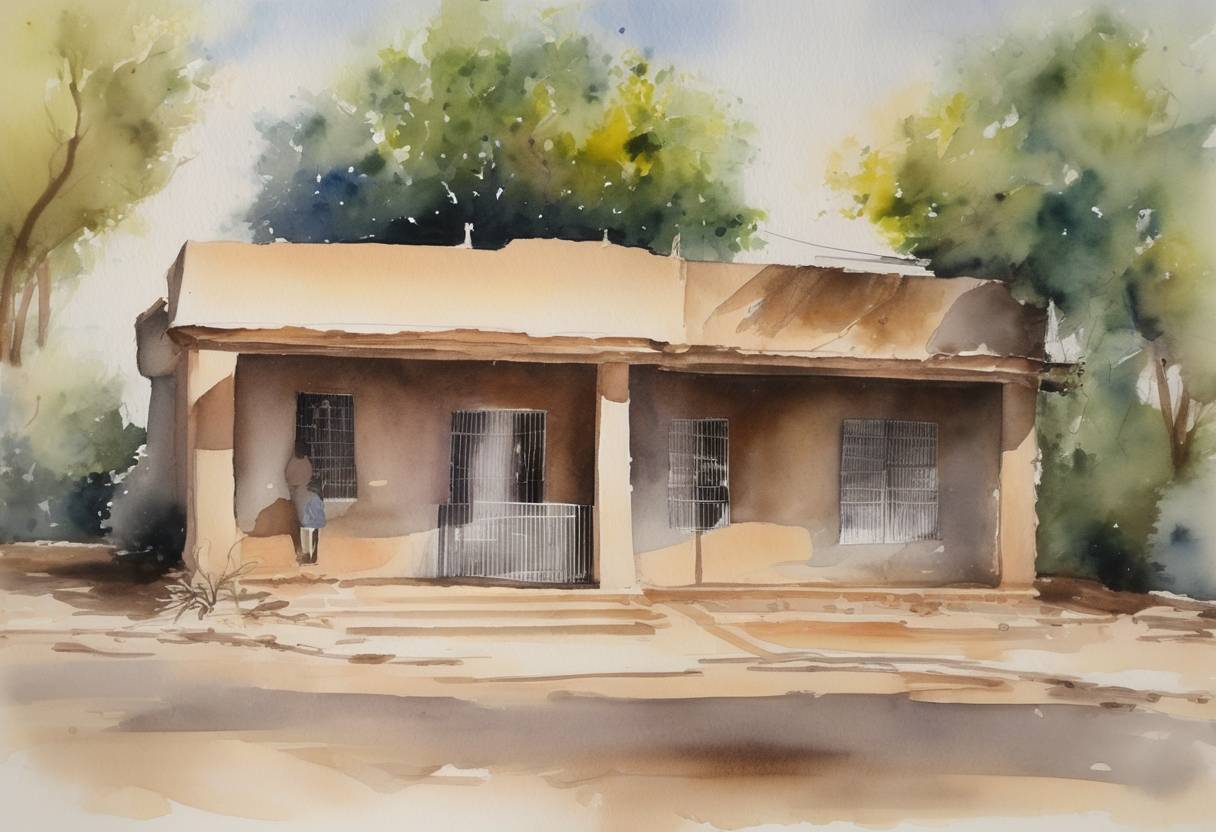
Reopening of the U.S. Embassy in N’Djamena, Chad - September 2, 2017
On September 2, 2017, the United States officially reopened its embassy in N’Djamena, Chad. This event marked the resumption of full diplomatic operations after the embassy had been closed for more than five years due to concerns over terrorist threats targeting American interests in the region.
Context and Closure Background
The original closure of the U.S. Embassy in Chad’s capital, N’Djamena, occurred as a response to heightened security risks. In 2012, the State Department made the decision to suspend operations citing credible threats from terrorist groups operating in the Sahel region and beyond. These groups included affiliates of Al-Qaeda and other militant organizations, which posed a significant threat to Western interests and personnel in the area.
The Reopening of the Embassy
The reopening in 2017 signified not only a return to diplomatic normalcy but also an overall improvement in the security situation in Chad and the surrounding region. The decision to resume operations was based on strategic evaluations of the threat landscape and the necessity to re-establish diplomatic, political, and economic engagements with Chad.
The reestablishment of the embassy was seen as pivotal for strengthening bilateral relations, facilitating humanitarian aid, and promoting regional stability. The presence of the U.S. Embassy contributed to enhancing collaborative efforts, particularly in counterterrorism operations and supporting democratic governance initiatives within Chad.
Broader Historical Significance
The reopening of the embassy underscored the importance the United States placed on its relationships with African nations, particularly those in geopolitically sensitive regions. It emphasized the U.S. commitment to security collaboration and economic partnerships in Africa, as part of broader foreign policy objectives aimed at promoting peace and stability on the continent.
In the years following the reopening, the U.S. embassy engaged extensively in various diplomatic efforts, including development assistance, cultural exchange programs, and support for public health initiatives, which were vital in fostering long-term ties between the two nations.
The reopening was not merely a diplomatic gesture but a necessary strategic move reflecting broader geopolitical trends and the evolving U.S. policy landscape concerning Africa and global security matters.