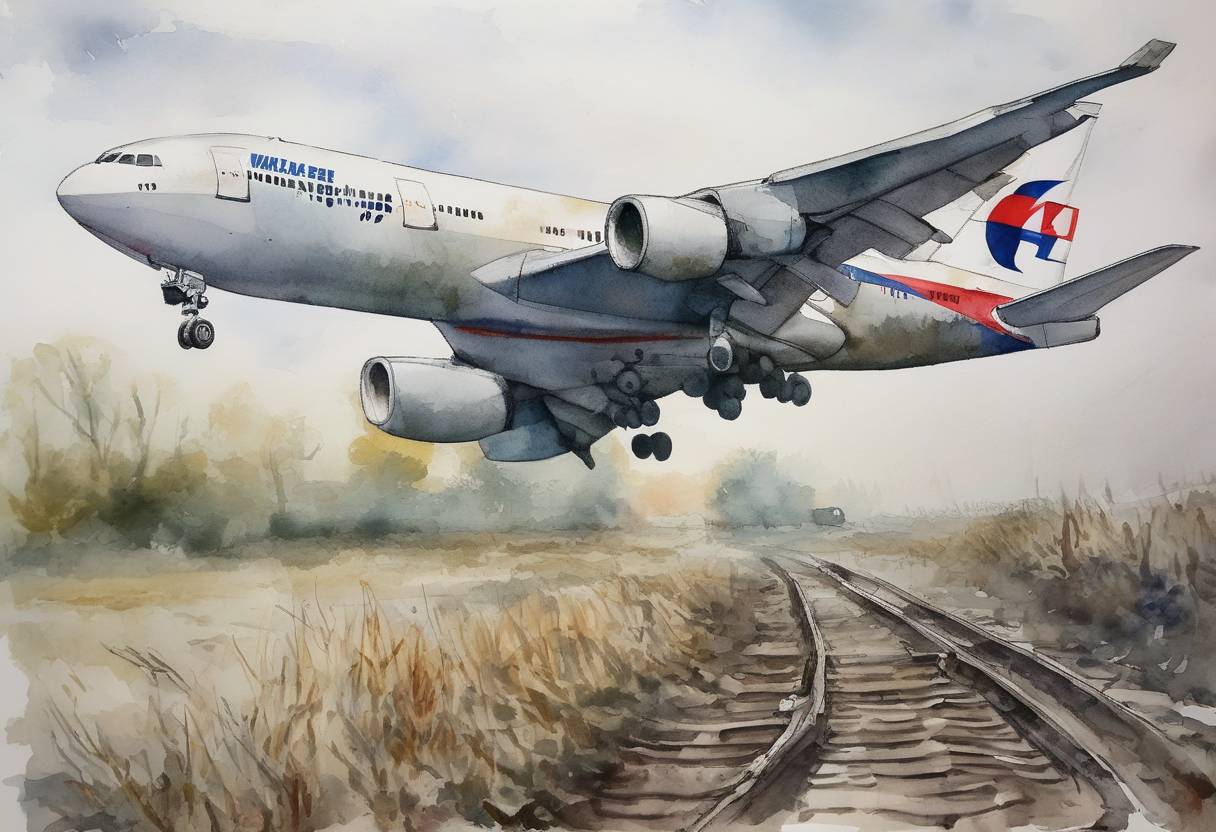
Malaysia Airlines Flight MH17 Incident
Overview
On July 17, 2014, Malaysia Airlines Flight MH17, a Boeing 777-200ER, was tragically shot down over eastern Ukraine, resulting in the deaths of all 298 passengers and crew on board. The flight was en route from Amsterdam, Netherlands, to Kuala Lumpur, Malaysia, when it was struck by a surface-to-air missile.
Context
The incident occurred during a period of intense conflict in eastern Ukraine, where Ukrainian government forces were engaged in combat with pro-Russian separatists. This conflict followed Russia’s annexation of Crimea in March 2014 and the subsequent unrest in the Donetsk and Luhansk regions of Ukraine.
Key Events Leading Up to the Incident
- Conflict Escalation: The conflict in eastern Ukraine had been escalating since April 2014, with numerous clashes between Ukrainian forces and separatists.
- Airspace Concerns: Prior to the incident, several airlines had already rerouted flights to avoid the conflict zone due to safety concerns. However, the airspace at cruising altitude was still considered safe by international aviation authorities.
The Incident
- Missile Strike: On July 17, 2014, at approximately 13:20 UTC, MH17 was struck by a Buk surface-to-air missile while flying at an altitude of 33,000 feet. The missile was launched from an area controlled by pro-Russian separatists.
- Immediate Aftermath: The aircraft broke apart in mid-air, with debris scattered over a wide area near the village of Hrabove in the Donetsk region. There were no survivors.
International Response
- Condemnation: The downing of MH17 was met with widespread international condemnation. Many countries, including the United States and members of the European Union, accused Russia of providing the separatists with the missile system used in the attack.
- Investigation: An international investigation led by the Dutch Safety Board concluded that the aircraft was shot down by a Buk missile system. The Joint Investigation Team (JIT) later identified specific individuals linked to the separatists and the Russian military as responsible for the attack.
Consequences
- Diplomatic Tensions: The incident significantly heightened tensions between Russia and Western countries, leading to increased sanctions against Russia.
- Legal Proceedings: In November 2022, a Dutch court convicted two Russians and a Ukrainian separatist leader in absentia for their roles in the downing of MH17.
- Aviation Safety: The tragedy prompted a reevaluation of flight paths over conflict zones, leading to changes in international aviation safety protocols.
Broader Historical Significance
The downing of MH17 underscored the dangers of civilian aircraft flying over conflict zones and highlighted the geopolitical complexities of the Ukraine conflict. It also contributed to the ongoing deterioration of relations between Russia and Western nations, influencing international diplomacy and security policies in the years that followed.