Execution of Maximilien Robespierre: July 28, 1794
1794 · Paris, France
Maximilien Robespierre, a leading figure in the French Revolution, was executed by guillotine, marking the end of the Reign of Terror.
January 21, 1793
King Louis XVI of France was executed by guillotine in Paris, marking a pivotal moment in the French Revolution.
Paris, France | French Revolutionary Government
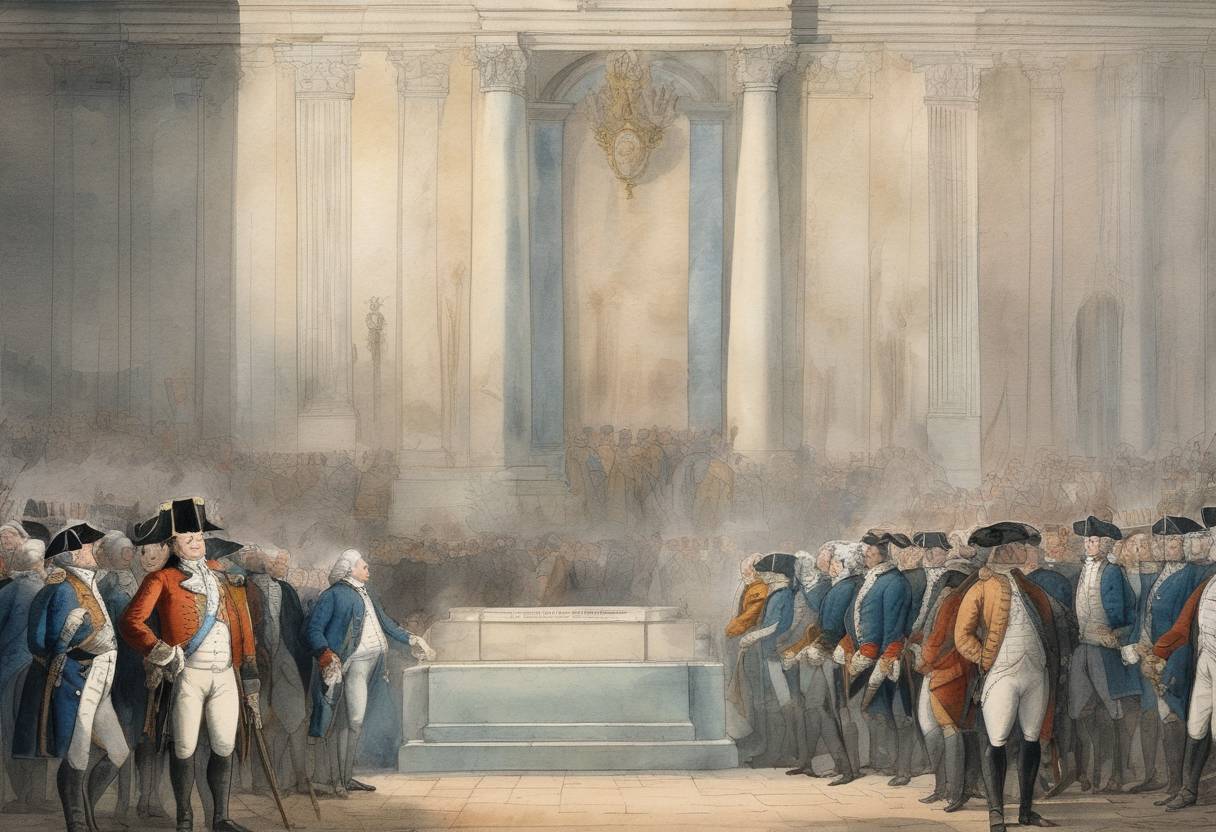
On January 21, 1793, King Louis XVI of France was executed by guillotine in Paris, a pivotal moment in the French Revolution that marked the end of the monarchy and the rise of the French Republic. This event was the culmination of years of political turmoil and revolutionary fervor that had swept through France.
The French Revolution: Beginning in 1789, the French Revolution was driven by widespread discontent with the monarchy, economic hardship, and a desire for political reform. The revolution sought to dismantle the absolute monarchy and establish a society based on the principles of liberty, equality, and fraternity.
The Fall of the Monarchy: In 1791, King Louis XVI attempted to flee France with his family, an event known as the Flight to Varennes. This failed escape eroded public trust and increased calls for the abolition of the monarchy. In August 1792, the monarchy was effectively overthrown when revolutionaries stormed the Tuileries Palace, leading to the suspension of the king’s powers.
Trial and Conviction: Louis XVI was put on trial by the National Convention, the revolutionary government of France. He was charged with conspiracy and high treason against the state. After a contentious trial, he was found guilty by a majority vote and sentenced to death.
The Guillotine: The guillotine, a symbol of the revolution’s radical justice, was chosen as the method of execution. It was seen as a humane and egalitarian form of capital punishment.
The Event: On the morning of January 21, 1793, Louis XVI was taken to the Place de la Révolution (now Place de la Concorde) in Paris. He addressed the crowd briefly, expressing his innocence and forgiveness for those responsible for his death. At 10:22 AM, he was executed.
Impact on France: The execution of Louis XVI marked a definitive end to the French monarchy and solidified the revolution’s radical phase. It intensified the conflict between revolutionary France and the monarchies of Europe, leading to the War of the First Coalition.
Rise of the Republic: The execution paved the way for the establishment of the French Republic and the radicalization of the revolution, including the Reign of Terror, where thousands were executed under suspicion of counter-revolutionary activities.
Legacy: Louis XVI’s execution remains a significant historical event, symbolizing the dramatic shift from monarchical rule to republicanism. It also highlighted the deep divisions and intense political struggles that characterized the revolutionary period.
The execution of King Louis XVI was a turning point in French history, reflecting the profound social and political changes that the French Revolution brought about. It remains a subject of extensive study and debate among historians, illustrating the complexities and consequences of revolutionary change.
Source: en.wikipedia.org