Election of Pope Nicholas I on April 24, 858
858 · Rome, Italy
Pope Nicholas I is elected as the 105th pope of the Catholic Church.
December 28, 0418
Pope Boniface I is elected as the new pope, succeeding Pope Zosimus.
Rome, Italy | Catholic Church
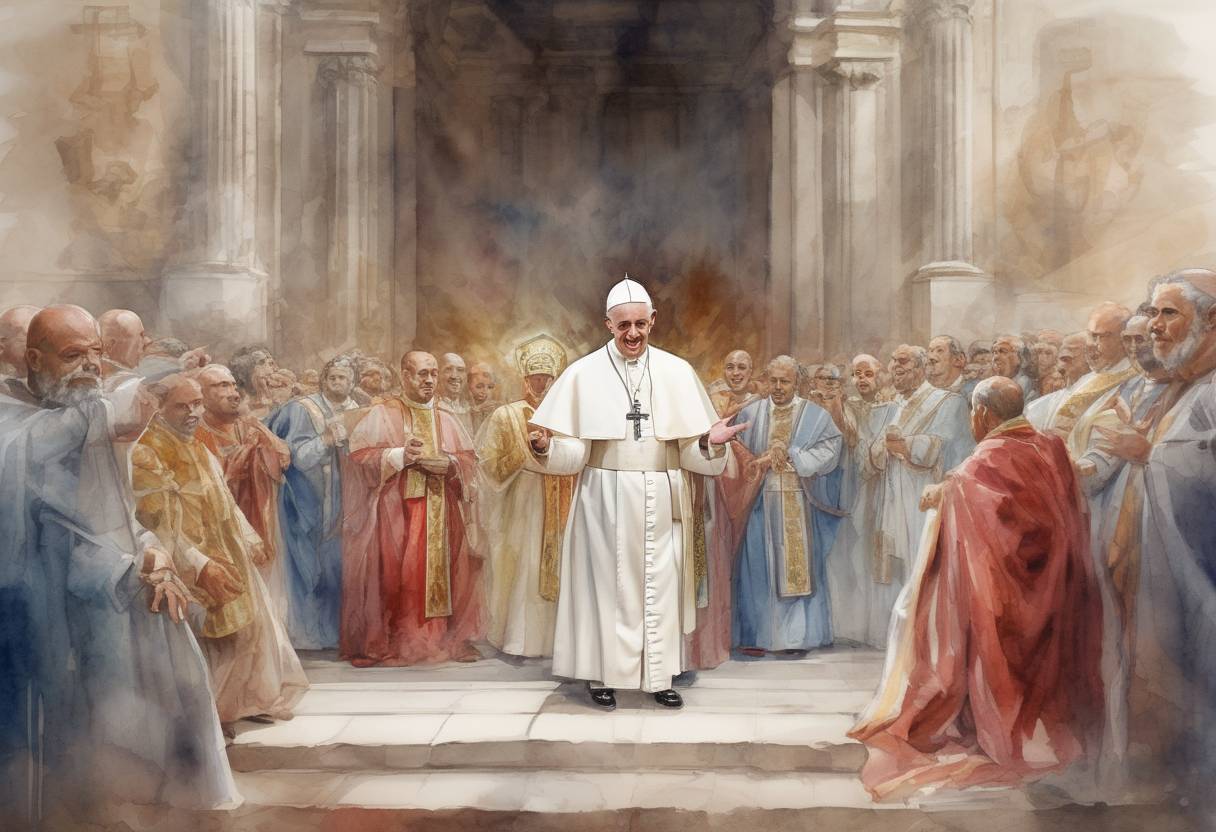
On December 28, 418, Boniface I was elected as the new pope, succeeding Pope Zosimus. This event marked a significant moment in the early history of the papacy, characterized by political intrigue and ecclesiastical challenges.
Pope Zosimus’ Papacy: Zosimus, who served as pope from 417 to 418, faced numerous controversies during his tenure, including disputes over the jurisdiction of the church in Gaul and the Pelagian controversy, which dealt with debates on original sin and grace.
Vacancy and Dispute: Upon Zosimus’ death on December 26, 418, the papal seat became vacant. The election that followed was contentious, leading to a schism within the church.
Contested Election: The election of Boniface I was marred by a significant dispute. A faction within the church simultaneously elected another candidate, Eulalius, leading to a schism. Both Boniface and Eulalius were consecrated as pope, creating a dual papacy.
Resolution by Secular Authority: The conflict was eventually resolved by the intervention of Emperor Honorius, who initially supported Eulalius but later, after Eulalius’ failure to adhere to the emperor’s orders, recognized Boniface as the legitimate pope.
Tenure: Boniface I served as pope from 418 until his death in 422. His papacy was marked by efforts to restore order and unity within the church following the schism.
Challenges: He continued to deal with the Pelagian controversy, maintaining the church’s stance against Pelagianism, which was declared heretical.
Legacy: Boniface I is remembered for his dedication to church unity and his role in strengthening the authority of the papacy during a time of internal conflict.
Church and State Relations: The resolution of the schism through imperial intervention highlighted the complex relationship between the church and the Roman state, a dynamic that would continue to evolve throughout the Middle Ages.
Papal Authority: The events surrounding Boniface I’s election underscored the challenges of papal succession and the importance of establishing clear authority within the church, setting precedents for future papal elections.
In summary, the election of Pope Boniface I on December 28, 418, was a pivotal event that not only resolved a significant schism but also reinforced the papal office’s authority and its intricate relationship with secular powers.
Source: en.wikipedia.org