Federal Reserve Interest Rate Hike Announcement on March 15, 2022
2022 · Washington, D.C., United States
The United States Federal Reserve announced its decision to raise interest rates for the first time since 2018 to combat surging inflation.
September 18, 2019
The United States Federal Reserve cut interest rates for the second time in 2019, amid concerns about a global economic slowdown.
Washington D.C., United States | Federal Reserve
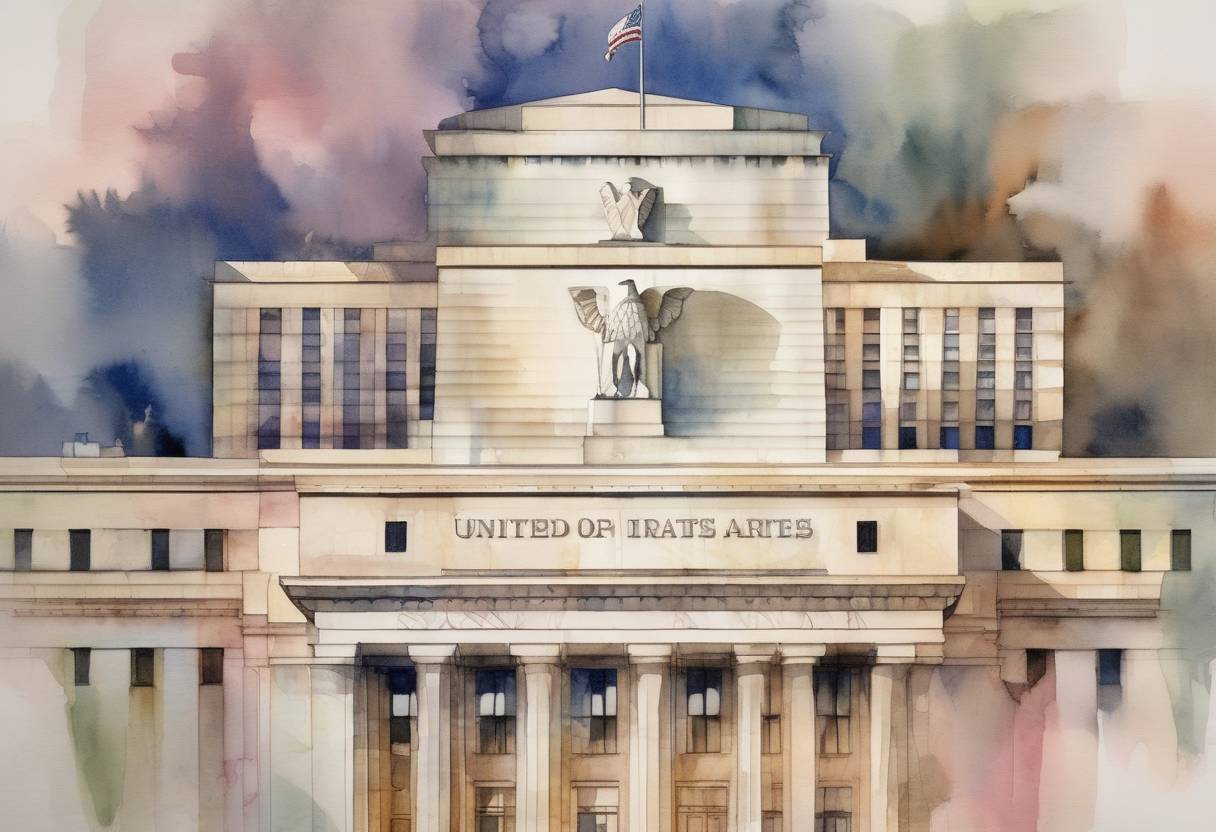
On September 18, 2019, the United States Federal Reserve announced a cut in interest rates for the second time that year. This decision was made amid growing concerns about a global economic slowdown and uncertainties surrounding trade tensions, particularly between the United States and China.
Global Economic Concerns: In 2019, the global economy was experiencing signs of slowing growth. Factors contributing to this included trade tensions, particularly the U.S.-China trade war, Brexit uncertainties, and slowing growth in major economies like Europe and China.
U.S. Economic Indicators: While the U.S. economy was relatively strong, with low unemployment and steady consumer spending, there were signs of potential weakness. Manufacturing output was declining, and business investment was slowing, partly due to trade policy uncertainties.
Federal Reserve’s Mandate: The Federal Reserve, led by Chairman Jerome Powell, is tasked with promoting maximum employment and stable prices. In light of the global economic environment, the Fed aimed to sustain the U.S. economic expansion by adjusting monetary policy.
Rate Reduction: The Federal Reserve cut the federal funds rate by 25 basis points, bringing it to a range of 1.75% to 2.00%. This was the second rate cut in 2019, following a similar reduction in July.
Rationale: The decision was made to provide a buffer against ongoing risks to economic growth, including trade tensions and weak global growth. The Fed aimed to support continued economic expansion and maintain strong labor market conditions.
Dissenting Opinions: The decision was not unanimous. Some members of the Federal Open Market Committee (FOMC) preferred to keep rates unchanged, while others advocated for a more aggressive cut.
Market Reaction: Financial markets responded positively to the rate cut, with stock markets experiencing gains. However, there was also some volatility as investors assessed the Fed’s future policy direction.
Economic Impact: The rate cut was intended to lower borrowing costs for consumers and businesses, encouraging spending and investment. It was part of a broader strategy to mitigate risks and sustain economic growth.
Future Outlook: The Fed indicated that it would continue to monitor economic data and adjust policy as necessary. The focus remained on supporting the U.S. economy amid global uncertainties.
The 2019 rate cuts were part of a shift in monetary policy from the gradual rate increases seen in previous years. They highlighted the Fed’s responsiveness to global economic conditions and its willingness to take preemptive action to support the U.S. economy. This period underscored the interconnectedness of global economies and the impact of international developments on domestic policy decisions.
Source: www.federalreserve.gov