Alberto Fujimori Charged with Murder and Forced Disappearance
2001 · Lima, Peru
Peru's former President Alberto Fujimori is charged with murder and forced disappearance.
September 5, 2001
In Lima, Peru, a United States military helicopter crashed near the United States embassy, killing all four passengers aboard, including defense attaché Sergeant Michael J. Mullen, and severely injuring Deputy Chief of Mission John R. Hamilton.
Lima, Peru | United States military
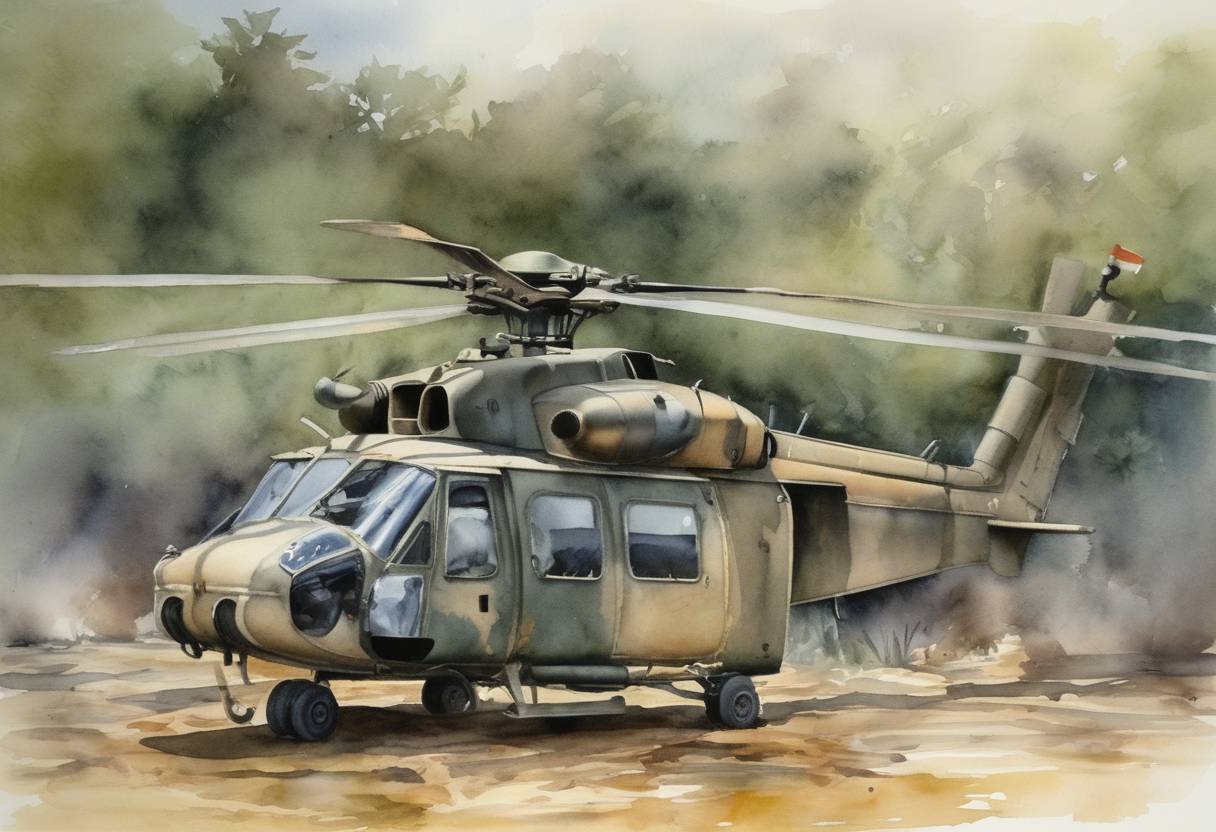
On September 5, 2001, a tragic incident occurred in Lima, Peru, involving a United States military helicopter crash. The accident resulted in the loss of all four passengers and significant destruction, impacting diplomatic personnel based at the U.S. embassy.
The mission of the U.S. military personnel and their presence in Peru was part of broader initiatives to strengthen diplomatic and defense relationships between the two countries. The crash underscored the risks associated with diplomatic and military operations abroad and highlighted the complex nature of U.S. engagements in Latin America.
The loss of key personnel in the crash had immediate and profound implications for the operational capacity of the U.S. embassy in Peru. It prompted reviews of aviation safety protocols for diplomatic and military engagements in foreign territories. Additionally, the incident triggered a reevaluation of security measures for U.S. personnel operating in high-risk environments globally.
The crash contributed to a broader dialogue on the safety of diplomatic envoys and military officials who operate in challenging and often unpredictable conditions around the world.
Source: www.nytimes.com