1917 · Washington, D.C., United States
The United States Congress passes the Immigration Act of 1917, which restricts immigration by imposing literacy tests and barring immigrants from Asia.
March 3, 1931
The United States adopts "The Star-Spangled Banner" as its national anthem.
Washington, D.C., United States | United States Congress
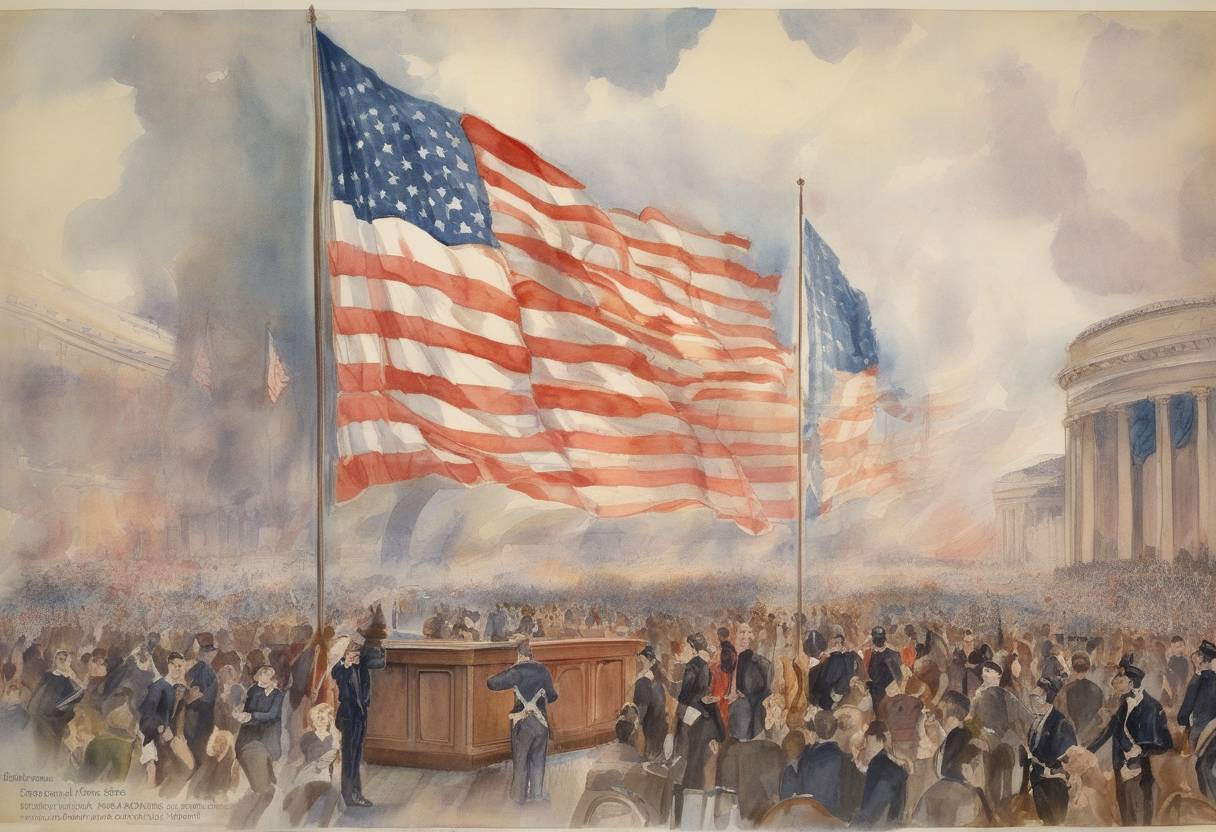
On March 3, 1931, “The Star-Spangled Banner” was officially adopted as the national anthem of the United States. This decision marked the culmination of a long-standing effort to establish a national anthem that would embody the spirit and values of the nation.
Francis Scott Key: The lyrics of “The Star-Spangled Banner” were penned by Francis Scott Key in 1814. Key, a lawyer and amateur poet, wrote the words after witnessing the bombardment of Fort McHenry by British forces during the War of 1812. Inspired by the sight of the American flag still flying over the fort at dawn, Key’s poem, originally titled “Defence of Fort M’Henry,” captured the resilience and determination of the American people.
Melody: The poem was later set to the tune of a popular British song, “To Anacreon in Heaven,” composed by John Stafford Smith. This melody was already well-known in the United States, which helped the song gain popularity.
Growing Popularity: Throughout the 19th and early 20th centuries, “The Star-Spangled Banner” gained prominence as a patriotic song, often performed at public events and military ceremonies. Its association with national pride and identity grew, particularly during times of conflict.
Legislative Efforts: Efforts to designate “The Star-Spangled Banner” as the national anthem began in earnest in the early 20th century. Various bills were introduced in Congress, but it wasn’t until the late 1920s that momentum built significantly.
Public Support: The push for official recognition was bolstered by widespread public support, including endorsements from veterans’ organizations and patriotic groups. The song’s emotional resonance and historical significance made it a fitting choice for the national anthem.
Cultural Impact: The adoption of “The Star-Spangled Banner” as the national anthem solidified its place in American culture. It is performed at a wide range of events, from sporting events to official government ceremonies, serving as a symbol of national unity and pride.
Legacy: The anthem continues to evoke strong emotions and is a reminder of the nation’s history and values. Its adoption in 1931 marked a significant moment in American cultural history, underscoring the importance of national symbols in fostering a sense of shared identity.
In summary, the adoption of “The Star-Spangled Banner” as the national anthem on March 3, 1931, was a pivotal moment in American history, reflecting the enduring power of music and poetry to capture the essence of a nation’s spirit.
Source: en.wikipedia.org