Muhammad's Farewell Sermon - March 6, 632
632 · Mecca, Arabian Peninsula
Muhammad, the founder of Islam, delivered his Farewell Sermon during his final pilgrimage to Mecca, outlining key principles of the faith.
March 9, 0632
The Last Sermon of Prophet Muhammad is delivered during the Farewell Pilgrimage, which is a pivotal event in Islamic history.
Mount Arafat, Arabian Peninsula | Islamic community
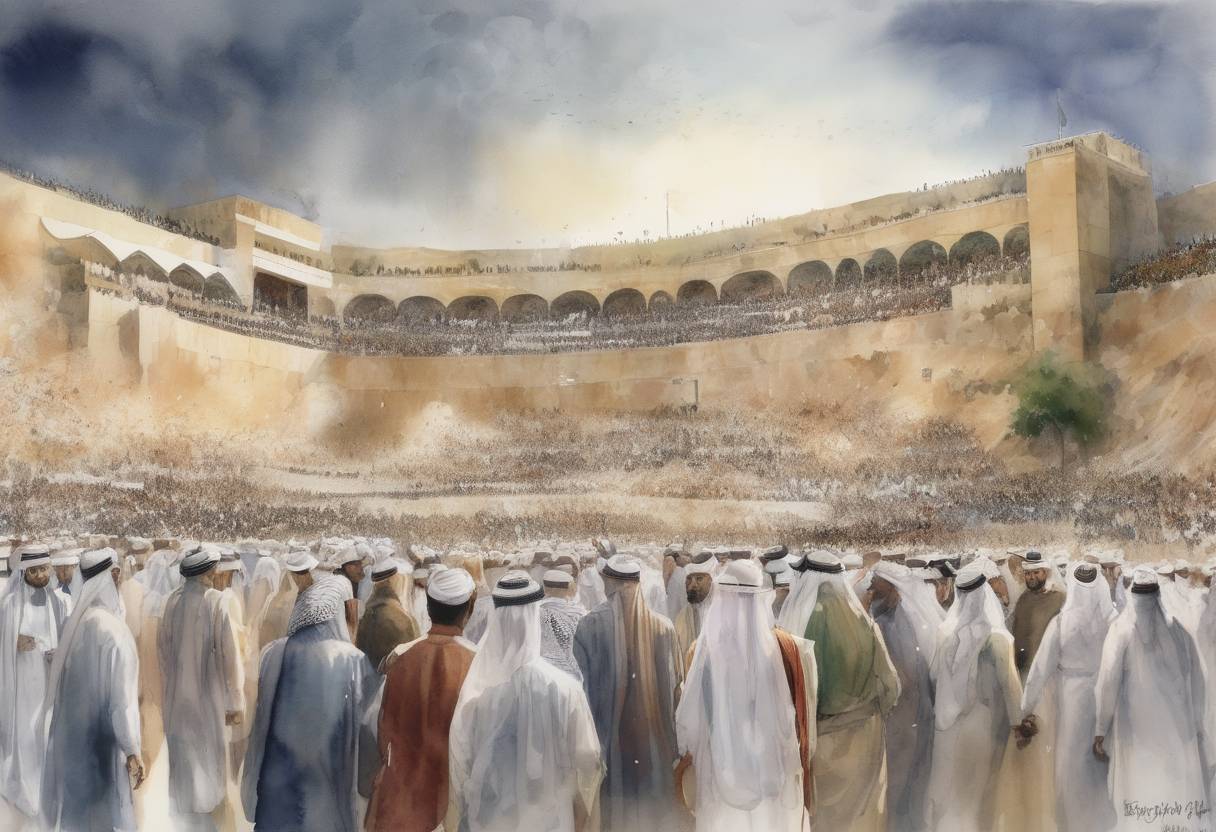
The Last Sermon of Prophet Muhammad, also known as the Farewell Sermon, is a significant event in Islamic history. Delivered on the 9th of Dhu al-Hijjah in the year 10 AH of the Islamic calendar, which corresponds to March 9, 632 CE, this sermon took place during the Farewell Pilgrimage at Mount Arafat, near Mecca.
Prophet Muhammad’s Farewell Pilgrimage was the only Hajj he performed after the migration (Hijra) from Mecca to Medina. This pilgrimage was a momentous occasion, as it gathered a large number of Muslims from across the Arabian Peninsula. The Prophet’s sermon addressed key aspects of Islamic faith and practice, providing guidance to the Muslim community.
The Last Sermon is renowned for its emphasis on several core principles:
Equality and Brotherhood: The Prophet emphasized the equality of all Muslims, regardless of race or ethnicity, stating that no Arab is superior to a non-Arab, nor is a non-Arab superior to an Arab, except in piety and good action.
Sanctity of Life and Property: He declared the sanctity of life, property, and honor, urging Muslims to treat each other with respect and justice.
Rights of Women: The sermon highlighted the importance of treating women with kindness and respect, acknowledging their rights and responsibilities within the family and society.
Adherence to Islamic Principles: The Prophet urged the community to adhere to the Quran and his teachings (Sunnah) as the primary sources of guidance.
Abolition of Pre-Islamic Practices: He abolished certain pre-Islamic customs, such as blood feuds and usury, reinforcing the principles of justice and fairness.
The Last Sermon is considered a comprehensive summary of the Prophet’s teachings and a foundational document for Islamic ethics and law. It reinforced the unity and moral framework of the Muslim community, setting a precedent for future generations.
Following the Farewell Pilgrimage, Prophet Muhammad returned to Medina, where he passed away a few months later, on June 8, 632 CE. His death marked the end of the prophetic era in Islam, but his teachings, encapsulated in the Last Sermon, continue to guide Muslims worldwide.
The sermon remains a pivotal reference for understanding the core values of Islam, emphasizing justice, equality, and compassion, and it is often cited in discussions about Islamic law and ethics.
Source: en.wikipedia.org