The Overturning of President Roh Moo-hyun's Impeachment: May 14, 2004
2004 · Seoul, South Korea
The Constitutional Court of South Korea overturned the impeachment of President Roh Moo-hyun, allowing him to resume his duties.
December 9, 2016
South Korean President Park Geun-hye was impeached by the National Assembly following a corruption scandal, leading to her removal from office.
Seoul, South Korea | National Assembly of South Korea
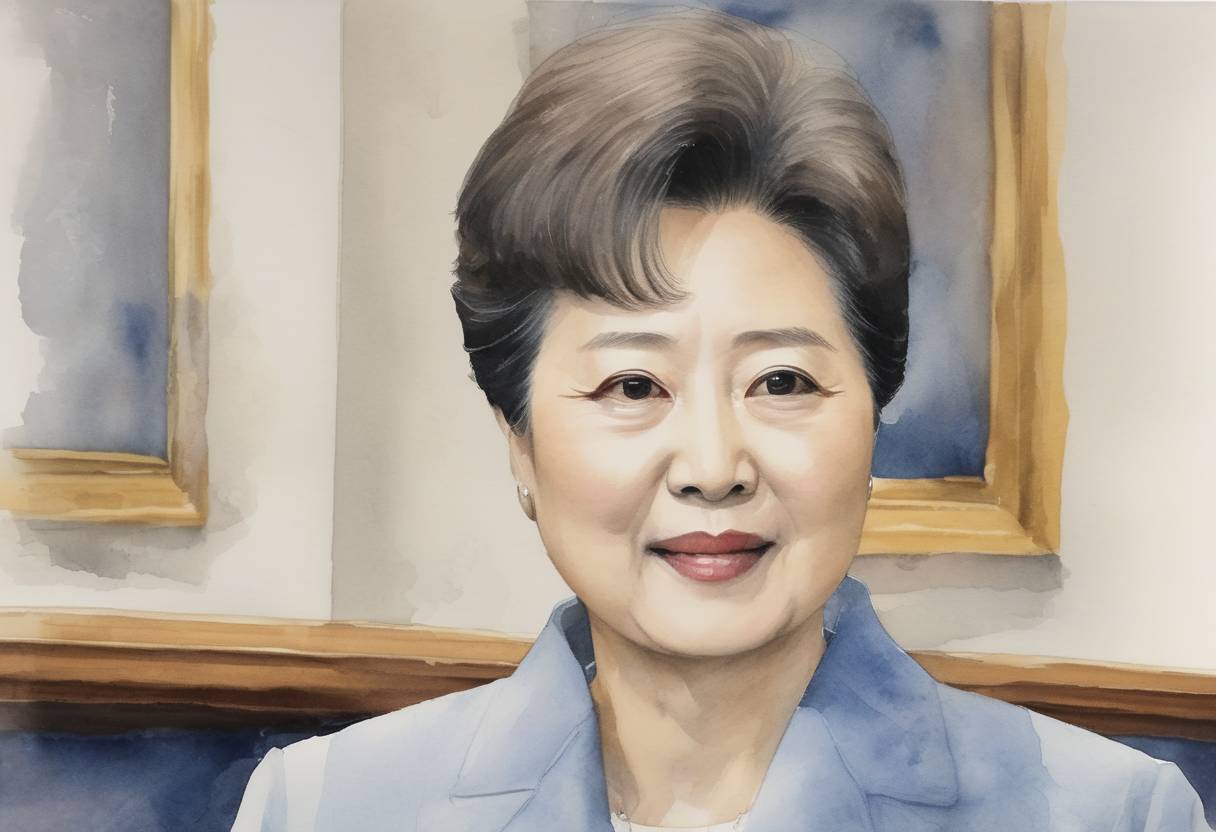
On December 9, 2016, South Korean President Park Geun-hye was impeached by the National Assembly, marking a significant moment in the country’s political history. This decision came in the wake of a major corruption scandal that had engulfed her administration, leading to widespread public protests and a dramatic fall in her approval ratings.
Park Geun-hye, the first female president of South Korea, took office in February 2013. Her presidency was initially marked by promises of economic reform and a strong stance against North Korea. However, her administration soon became embroiled in controversy due to her close relationship with Choi Soon-sil, a longtime confidante with no official government position.
The scandal erupted when it was revealed that Choi Soon-sil had undue influence over state affairs, despite having no formal role in the government. She was accused of using her connection with President Park to extort millions of dollars from South Korean conglomerates, known as chaebols, and funneling the money into foundations she controlled. These revelations led to accusations of abuse of power and corruption against President Park.
The scandal sparked massive protests across South Korea, with millions of citizens demanding Park’s resignation. In response to the public outcry and mounting evidence of misconduct, the National Assembly voted on December 9, 2016, to impeach President Park. The vote passed with a significant majority: 234 in favor and 56 against, reflecting bipartisan support for her removal.
Following the impeachment vote, Park’s presidential powers were suspended, and Prime Minister Hwang Kyo-ahn assumed the role of acting president. The Constitutional Court of Korea was tasked with reviewing the impeachment decision, a process that culminated on March 10, 2017, when the court unanimously upheld the impeachment. This ruling officially removed Park from office, making her the first South Korean president to be ousted by impeachment.
Park’s impeachment had profound implications for South Korean politics. It led to a presidential election in May 2017, resulting in the victory of Moon Jae-in, a liberal candidate who promised to tackle corruption and reform the chaebol system. The scandal also sparked a broader movement for transparency and accountability in South Korean governance, highlighting the need for checks and balances in political power.
In conclusion, the impeachment of Park Geun-hye was a pivotal event in South Korea’s democratic history, underscoring the power of public opinion and the importance of integrity in leadership.
Source: www.bbc.com