The European Launch of the First iPhone: November 1, 2007
2007 · London, United Kingdom
The first iPhone was officially released in the United Kingdom, Germany, and France, marking Apple's expansion into the European market.
November 22, 2014
The world's first lab-grown burger, created by Mosa Meat in the Netherlands, was displayed in London, marking a step forward in sustainable food technology.
London, United Kingdom | Mosa Meat
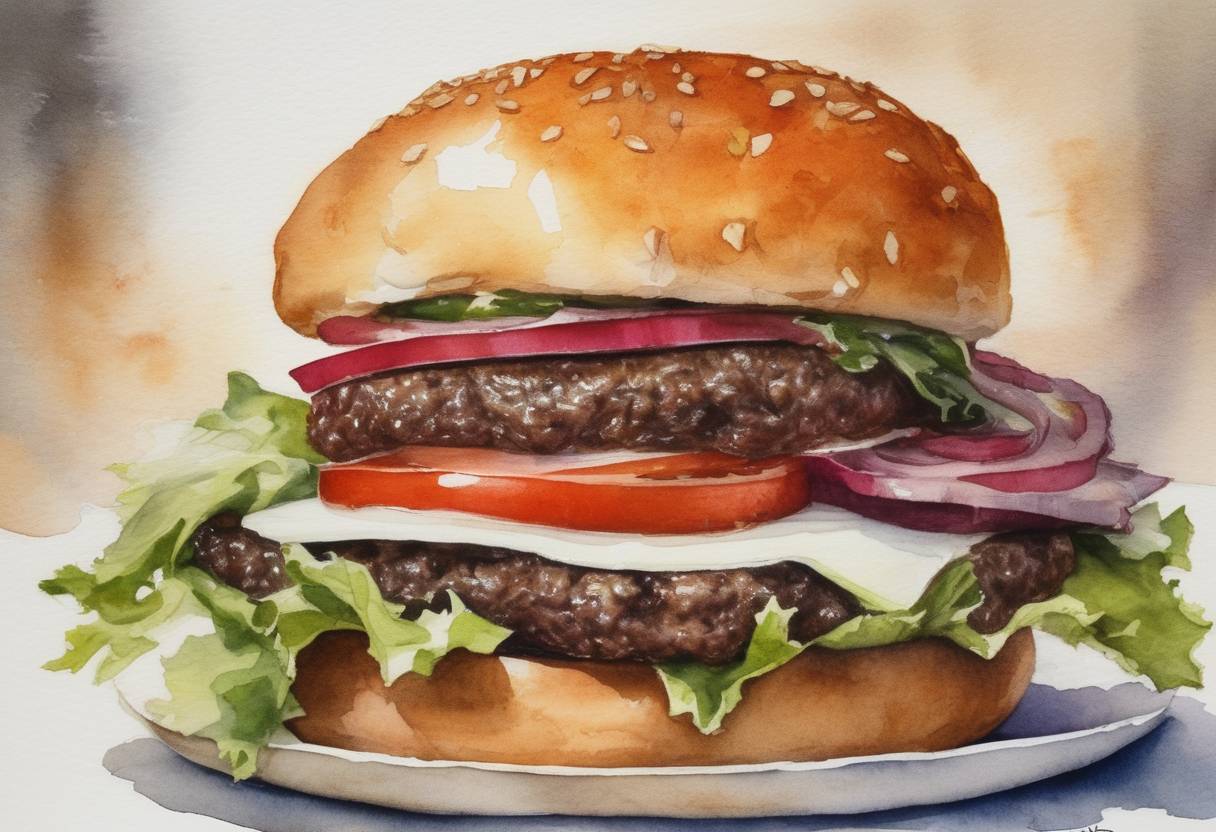
The world’s first lab-grown burger, created by Mosa Meat in the Netherlands, was actually unveiled not on November 22, 2014, but on August 5, 2013. On that date, the burger was showcased at a news conference in London. The event marked a significant milestone in the field of sustainable food technology and cellular agriculture.
Research and Creation: The lab-grown burger, scientifically referred to as cultured meat, was developed by a team led by Dr. Mark Post, a professor at Maastricht University in the Netherlands. The process involved culturing animal cells in a laboratory to produce meat without the need to slaughter animals. This innovation was driven by a desire to address the environmental and ethical concerns associated with traditional livestock farming.
Methodology: The creation of the burger involved isolating stem cells from a cow, which were then incubated and grown into muscle tissue using a nutrient-rich culture medium. Over 20,000 muscle fibers were used to create the 5-ounce patty.
Support and Funding: The development was funded largely by Google co-founder Sergey Brin, who supported the project due to his interest in finding meat production methods that are sustainable and humane.
Environmental Impact: The lab-grown burger was presented as a possible solution to the environmental issues caused by conventional meat production, including greenhouse gas emissions, land use, and water consumption.
Ethical Considerations: It also addresses animal welfare concerns by eliminating the need for large-scale animal slaughter.
Public Reception and Tasting: At its unveiling in London, the burger was cooked and tasted by a select group of food critics and reporters. While it did not have the exact taste and texture of traditional beef, the event sparked widespread discussion about the future of food and the potential of lab-grown meat.
Industry Development: Since its debut, the field of cultured meat has grown rapidly, with numerous companies worldwide exploring similar technologies to produce lab-grown meat and other animal products.
Regulatory and Commercial Challenges: Despite the initial success, challenges remain in terms of scaling production, reducing costs, and gaining regulatory approval for commercial sale.
Future Prospects: The unveiling of the lab-grown burger marked the beginning of a new era in food technology, with the potential to revolutionize how meat products are produced globally.
Although your request mentions the date as November 22, 2014, the correct date of the event was August 5, 2013. The showcase of the world’s first lab-grown burger represented a pioneering step brought forward by Mosa Meat and underscored the growing importance of sustainable innovation within the food industry.
Source: www.theguardian.com