Arrest of Desmond Tutu and Clergymen during Anti-Apartheid Demonstration
1988 · Cape Town, South Africa
South African archbishop Desmond Tutu is arrested along with 100 clergymen during a five-day anti-apartheid demonstration in Cape Town.
July 25, 1993
The Saint James Church massacre occurred in Cape Town, South Africa, when armed men attacked the congregation, resulting in 11 deaths and 58 injuries.
Cape Town, South Africa | Azanian People's Liberation Army
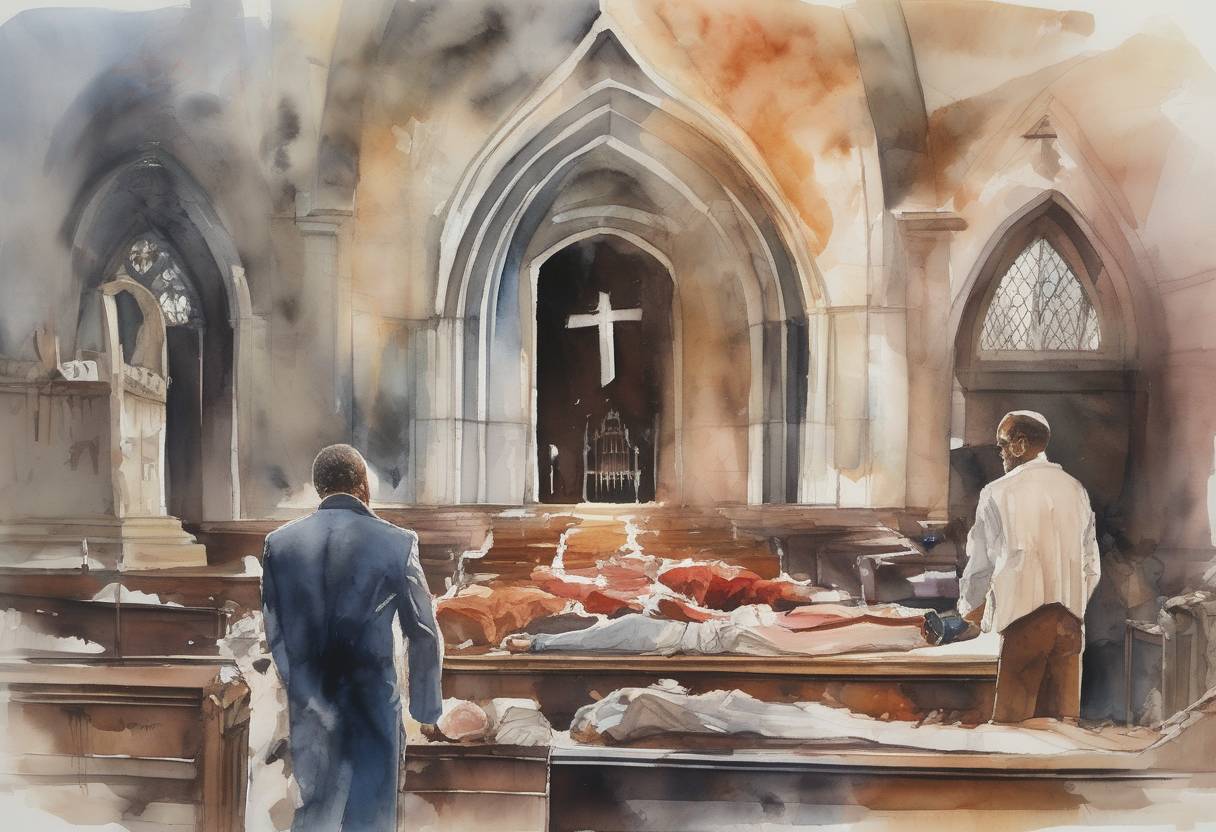
The Saint James Church massacre occurred during a tumultuous period in South Africa’s history, as the country was transitioning from the apartheid regime towards a democratic society. This era was marked by significant political tension and violence, with various groups vying for power and influence in the new South Africa.
On the evening of July 25, 1993, during a Sunday service at the Saint James Church, a group of armed men launched a brutal attack on the congregation. The assailants, later identified as members of the Azanian People’s Liberation Army (APLA), the military wing of the Pan Africanist Congress (PAC), entered the church and opened fire with automatic weapons and grenades.
The APLA was known for its militant opposition to the apartheid government and sought to destabilize the country through acts of violence. The attack on the church was part of a broader campaign by the APLA to target civilian sites, which they viewed as symbols of the apartheid regime.
The massacre drew widespread condemnation both domestically and internationally. It highlighted the urgent need for peace and reconciliation in South Africa as the country was on the brink of its first democratic elections, scheduled for 1994.
In the years following the attack, several of the perpetrators were apprehended and brought to trial. Some were granted amnesty by the Truth and Reconciliation Commission (TRC), a body established to help heal the nation and bring about a reconciliation of its people by uncovering the truth about past human rights abuses.
The Saint James Church massacre is remembered as one of the many tragic events that underscored the violence and instability of South Africa’s transition from apartheid. It serves as a somber reminder of the human cost of political conflict and the importance of striving for peace and understanding in divided societies.
The massacre remains a poignant chapter in South Africa’s history, reflecting the deep divisions and challenges faced during the country’s journey towards democracy. It also emphasizes the resilience of communities in the face of violence and the ongoing efforts to achieve reconciliation and healing.
Source: en.wikipedia.org