European Union Announces New Sanctions Against Russia
2022 · Brussels, Belgium
The European Union announced a new package of sanctions against Russia in response to its invasion of Ukraine.
March 12, 2022
India's defense deal with Russia during the Ukraine invasion comes under scrutiny by global actors, including the United States, as India's ongoing military relationship with Russia diverges from Western sanctions.
Delhi, India | Indian Government
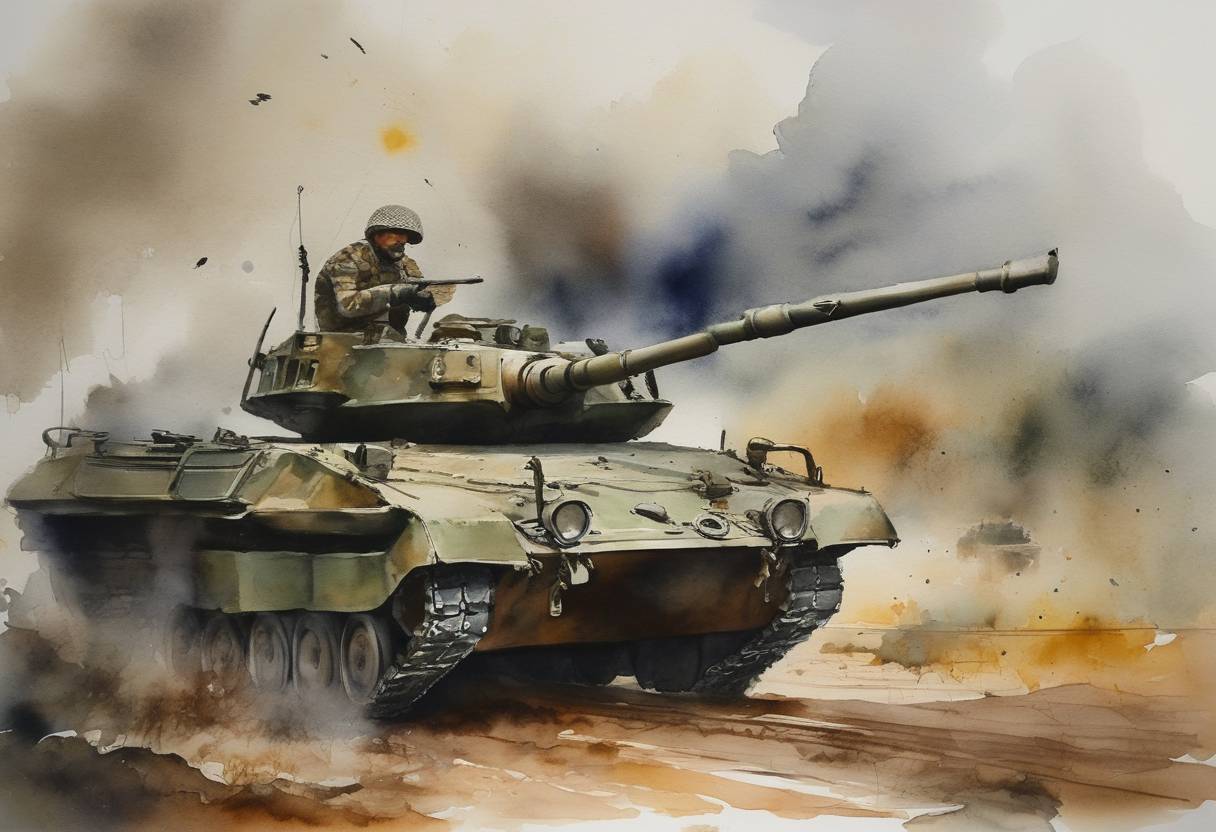
On March 12, 2022, India’s ongoing military procurement and defense relationship with Russia came under increased scrutiny from global actors due to the ongoing invasion of Ukraine by Russian military forces. This situation highlighted the strategic complexities and geopolitical balancing acts that India faced at the time, as it maintained strong defense ties with Russia while also seeking to nurture relations with Western nations, particularly the United States.
India has historically maintained a robust defense relationship with Russia, with the latter being one of the largest suppliers of military equipment to the Indian Armed Forces. This partnership dates back to the Cold War era and has continued into the 21st century with a series of significant defense deals, including fighter jets, tanks, and missile systems. One notable deal was the procurement of the S-400 missile defense system, despite threats of sanctions under the Countering America’s Adversaries Through Sanctions Act (CAATSA) from the United States.
The Russian invasion of Ukraine, which began on February 24, 2022, led to widespread global condemnation and the imposition of severe economic sanctions by Western countries against Russia. This put India in a diplomatic predicament as its defense and strategic interests traditionally align with both Russia and Western nations.
By March 12, 2022, India was experiencing increased pressure from Western countries, urging it to reconsider and potentially curtail its defense agreements with Russia. The United States, in particular, pressed India on its stance and sought its support in isolating Russia internationally. The overriding concern among Western allies was that continuing defense collaboration with Russia would undermine the global sanctions regime and potentially empower Russia militarily.
India’s position highlighted its strategic autonomy approach, where it seeks to remain non-aligned and leverage its partnerships to promote national interests. New Delhi argued that its defense needs were sovereign decisions, crucial for national security given the regional threats it faced. Moreover, India underscored the importance of its historical defense ties with Russia and the need for diversification in its defense acquisitions.
India’s response amid this geopolitical tension influenced its diplomatic relations, with some Western nations expressing disappointment over its stance. However, India continued to advocate for dialogue and peace, calling for an immediate cessation of hostilities in Ukraine and supporting multilateral efforts to resolve the conflict.
The scrutiny over India’s defense ties with Russia during this period underscored the challenges that come with navigating international relations amid global conflicts, and it reflected on the broader implications for international diplomacy and defense strategies during a period of heightened global tensions.
Source: www.reuters.com