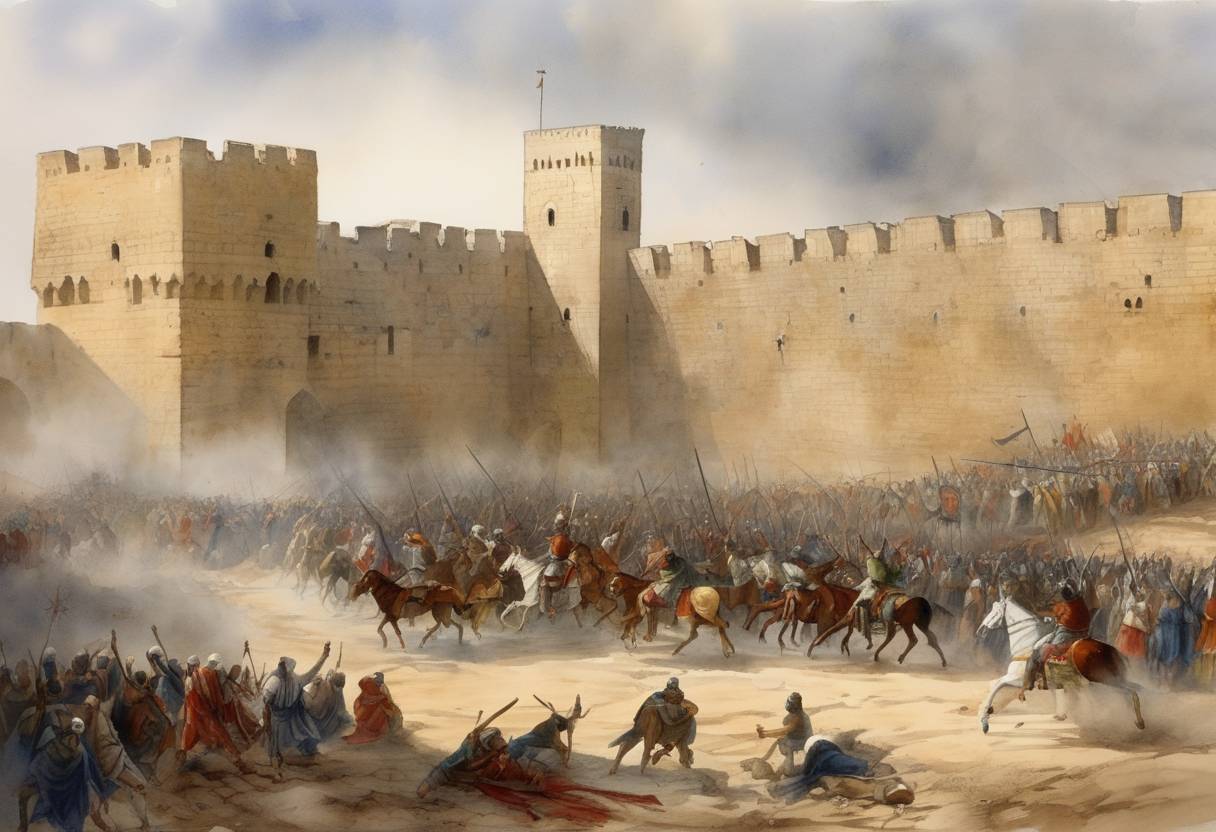
The Massacre at Ayyadieh
On August 20, 1191, a significant and grim event unfolded during the Third Crusade, known as the Massacre at Ayyadieh. Following the Siege of Acre—a key conflict where Crusader forces successfully captured the city—negotiations between Richard I of England, known as Richard the Lionheart, and Saladin, the Sultan of Egypt and Syria, collapsed concerning the exchange of prisoners.
Context
The Siege of Acre, which concluded in July 1191, was the first major confrontation of the Crusade and marked a pivotal victory for the Crusaders. However, lingering tensions remained over the terms agreed upon following Acre’s surrender, especially concerning the exchange of prisoners and the handover of a substantial ransom for their release. Both sides were also negotiating the return of a sacred relic, the True Cross, which held immense religious significance.
The Massacre
Following prolonged negotiations without resolution, Richard I made the decisive and brutal order to execute more than 2,000 Muslim prisoners. The executions took place outside the walls of Acre at the site known as Ayyadieh. This drastic measure was reportedly influenced by strategic and logistical concerns, as retaining the prisoners required resources and constant vigilance.
Consequences
The massacre severely impacted the dynamics of the Third Crusade:
- Propaganda and Morale: The mass execution was utilized by Saladin as propaganda, rallying Muslim forces against the Crusaders and galvanizing them with a renewed sense of vengeance and purpose.
- Diplomatic Relations and Warfare: The massacre hardened the military and diplomatic stances on both sides, diminishing any immediate chances of peaceful negotiations or prisoner exchanges.
- Historical Reputation: The event has significantly colored the historical reputation of Richard the Lionheart, often overshadowing his military prowess with the cruelty exhibited during the massacre.
Broader Historical Significance
The Massacre at Ayyadieh underlined the brutality of the religious conflicts during the Crusades. It emphasized the intense hostilities between Christian and Muslim forces and the lengths to which leaders would go to secure military advantage. The incident remains a poignant reminder of the costs of war and a symbol of the broader, often violent struggles of the medieval period.