The Netherlands Legalizes Same-Sex Marriage: April 1, 2001
2001 · Amsterdam, Netherlands
The Netherlands became the first country in the world to legalize same-sex marriage.
April 13, 2001
The Netherlands becomes the first country in the world to legalize same-sex marriage, allowing homosexual couples to marry and adopt children.
Amsterdam, Netherlands | Dutch Government
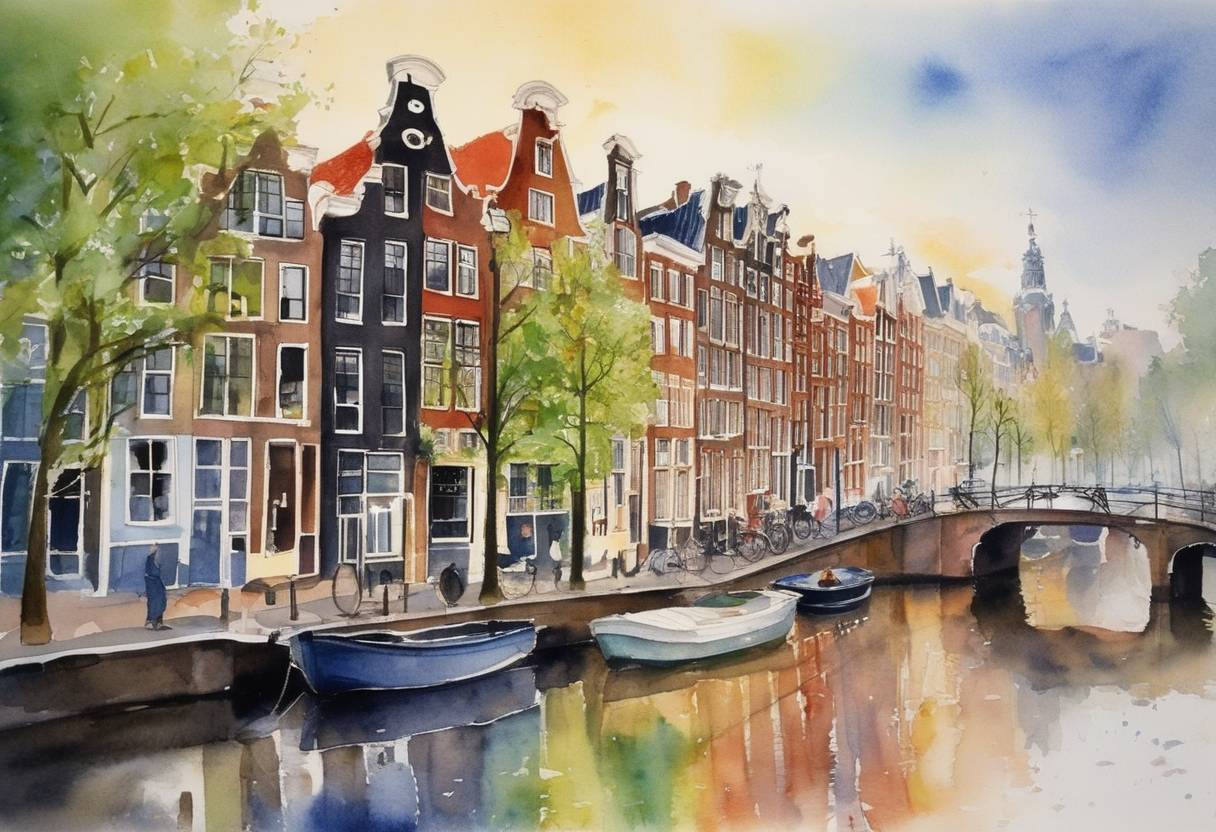
On April 1, 2001, the Netherlands became the first country in the world to legalize same-sex marriage, marking a historic step for LGBTQ+ rights. This groundbreaking move allowed same-sex couples to legally marry and adopt children, placing the Netherlands at the forefront of the global movement towards marriage equality.
This legislative change was the culmination of years of advocacy and legal adjustments. In 1998, the Netherlands had already introduced registered partnerships, a legal recognition for same-sex couples that afforded them many of the same rights as heterosexual married couples. However, this was not fully equivalent to marriage.
The movement towards full marriage equality gained momentum in the late 1990s, driven by activist groups, changing public opinion, and supportive political parties. The Dutch Parliament began serious discussions about the possibility of legalizing same-sex marriage in the late 1990s. The push was bolstered by the success of the Dutch Labour Party (Partij van de Arbeid), the People’s Party for Freedom and Democracy (Volkspartij voor Vrijheid en Democratie), and the Democrats 66 (Democraten 66) in forming a coalition government inclusive of progressive views on LGBTQ+ issues.
Legislation Passed: The landmark legislation was approved by a large majority in the Dutch Parliament in December 2000. This marked a pivotal moment in Dutch legislative history, highlighting the country’s commitment to equality and non-discrimination.
Historical Ceremonies: On April 1, 2001, ceremonies were held to commemorate the implementation of the new law. Amsterdam’s then-mayor, Job Cohen, officiated the first legal marriages of same-sex couples at a stroke of midnight. Four couples were married in a public ceremony that was broadcast worldwide, symbolizing the Netherlands’ progressive stance on human rights.
The legalization of same-sex marriage in the Netherlands set a precedent that had worldwide repercussions. It sparked international debates and motivated numerous countries to examine and, eventually, amend their own marriage laws to incorporate LGBTQ+ rights.
Following the Netherlands’ decision, other jurisdictions progressively legalized same-sex marriage, reflecting a shift towards broader acceptance and legal recognition of LGBTQ+ relationships. Nations like Belgium (2003), Canada (2005), and Spain (2005) followed shortly after, helping to forge a new era of marriage equality.
Beyond the legal milestones, the Netherlands’ decision demonstrated the potential for societal norms to evolve rapidly, challenging centuries-old conventions. This historic day remains a significant reference point in the global pursuit of equal rights for all individuals, regardless of sexual orientation.
Source: en.wikipedia.org