The Final Episode of "Friends" - May 7, 2004
2004 · New York, United States
The final episode of the television sitcom 'Friends' aired on NBC, concluding its ten-season run.
July 6, 1907
The first Ziegfeld Follies is staged on the rooftop of the New York Theater.
New York, United States | Ziegfeld
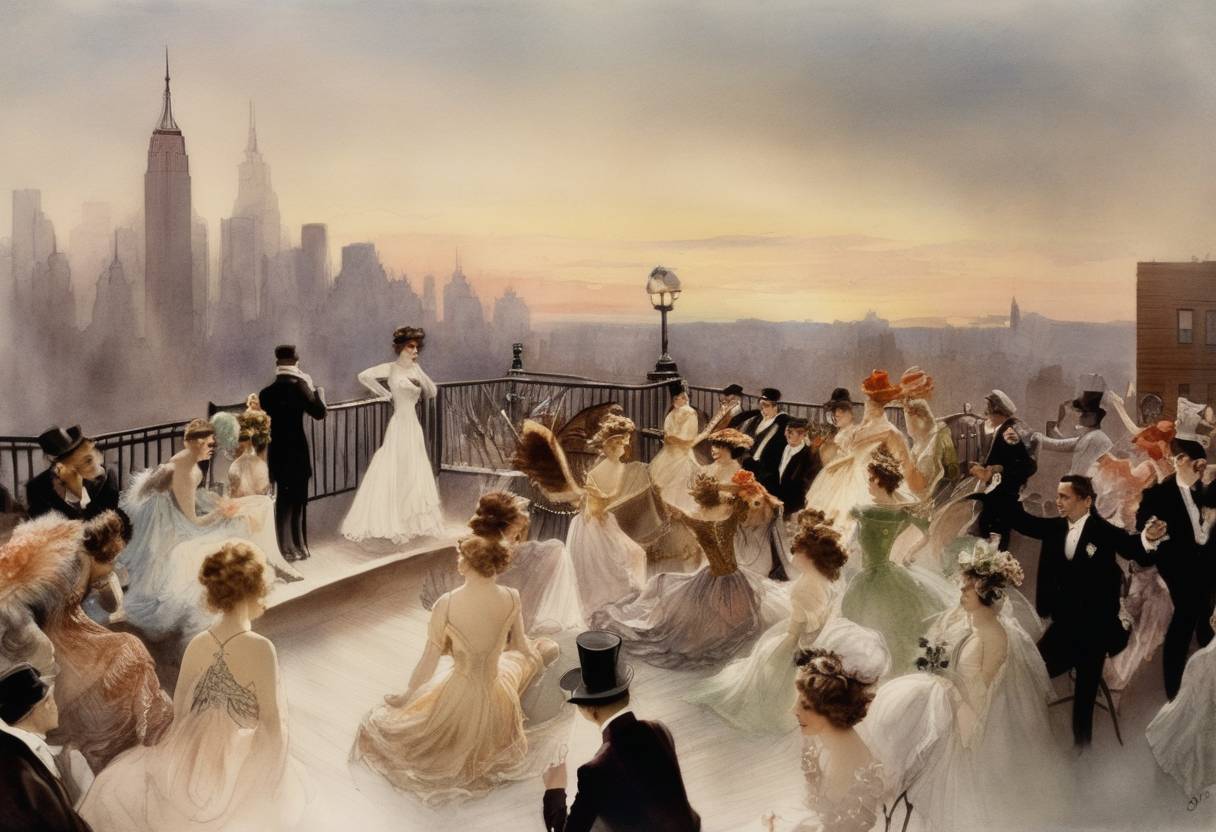
The Ziegfeld Follies, a series of lavish theatrical productions known for their elaborate sets, extravagant costumes, and spectacular performances, debuted on July 6, 1907. These shows were the brainchild of Florenz Ziegfeld, a prominent figure in the American entertainment industry. The inaugural Follies took place on the rooftop of the New York Theater, setting the stage for what would become a hallmark of early 20th-century American theater and a precursor to modern Broadway productions.
Florenz Ziegfeld, inspired by the Folies Bergère of Paris, aimed to create a similar kind of theatrical experience in the United States. At the time, New York City was emerging as a cultural hub, with theater playing a significant role in its cultural landscape. The announcement of the Ziegfeld Follies was a notable event, attracting significant attention and anticipation.
Ziegfeld’s approach combined various types of entertainment, blending vaudeville, slapstick comedy, and, most notably, the theatrical revue with beautiful chorus girls, which were to be known as the “Ziegfeld Girls.” His vision was to craft a spectacle that was both entertaining and visually stunning, ensuring a memorable experience for audiences.
The first show set the tone for what would become an annual tradition for several years. Held on the roof garden of the New York Theater, the choice of venue added an element of novelty, echoing European garden theaters and offering a refreshing outdoor experience. The initial Follies were lighter on narrative-driven performances and focused heavily on visual and musical elements.
The Ziegfeld Follies would become a significant influence on American popular culture, leaving a lasting legacy on Broadway and the world of entertainment. It helped launch the careers of numerous performers and production professionals. Notable participants over the years included entertainers like Fanny Brice, Will Rogers, and W.C. Fields.
The Follies popularized new dance styles, set trends in fashion, and became a mirror reflecting societal changes and the Jazz Age’s vibrancy. They also paved the way for the integration of different entertainment forms, helping Broadway evolve into its modern form.
The debut of the Ziegfeld Follies on July 6, 1907, was more than just the start of a theatrical series; it was a moment that defined an era of creativity and showmanship in American theater. It highlighted the potential of performance art to captivate and influence the public and set a high standard for theatrical productions in the decades to come.
Source: www.britannica.com