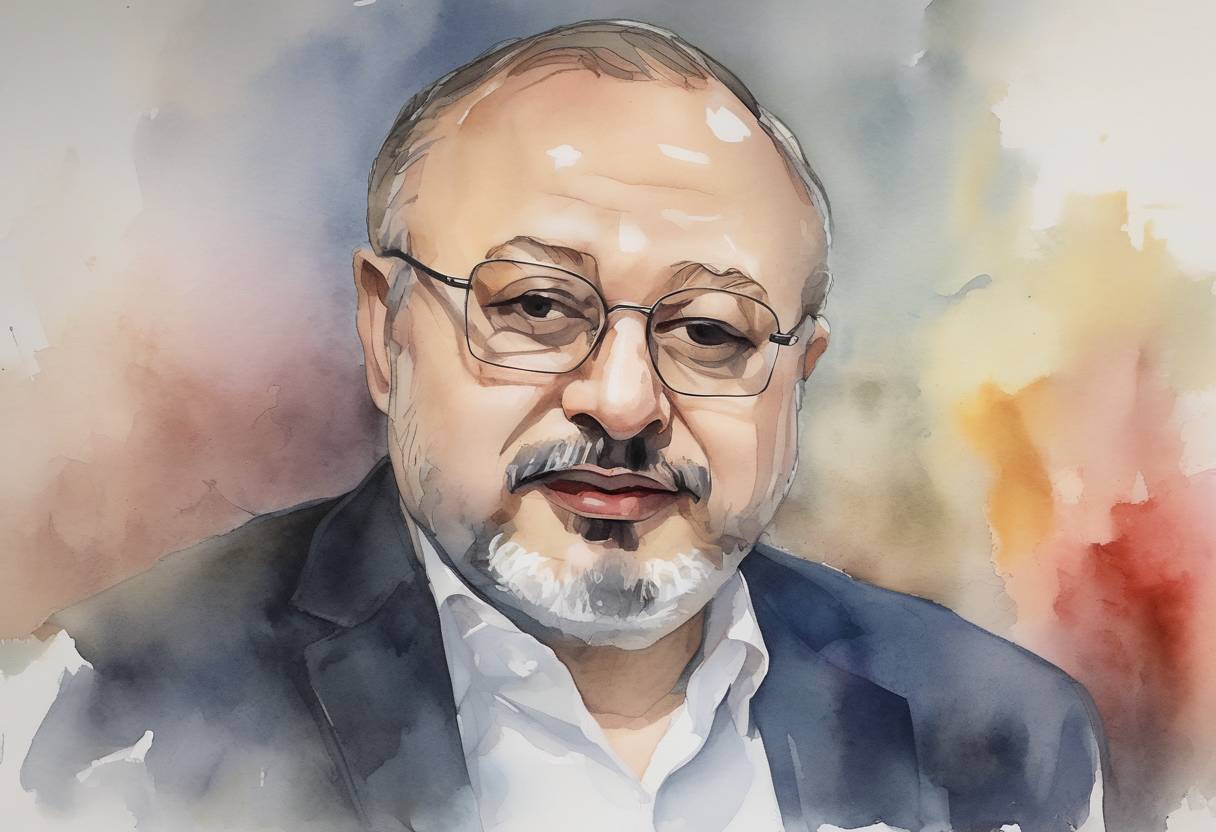
The Murder of Jamal Khashoggi: October 2, 2018
On October 2, 2018, Jamal Khashoggi, a prominent Saudi journalist and critic of the Saudi government, was murdered at the Saudi consulate in Istanbul, Turkey. This event sparked international outrage and significantly strained diplomatic relations between Saudi Arabia and several other countries.
Background
Jamal Khashoggi was a well-known journalist who had worked for various Saudi news outlets and served as an advisor to the Saudi government. However, he became increasingly critical of the Saudi regime, particularly under Crown Prince Mohammed bin Salman. In 2017, Khashoggi went into self-imposed exile in the United States, where he wrote columns for The Washington Post, often criticizing Saudi policies and advocating for freedom of expression in the Arab world.
The Events of October 2, 2018
Khashoggi entered the Saudi consulate in Istanbul to obtain documents necessary for his upcoming marriage to his Turkish fiancée, Hatice Cengiz. He was never seen leaving the building. Turkish authorities soon reported that they believed Khashoggi had been murdered inside the consulate.
Investigation and Findings
Turkish Investigation: Turkish officials conducted an investigation and released evidence suggesting that a team of Saudi agents had flown into Istanbul specifically to carry out the murder. Surveillance footage and audio recordings reportedly captured the events leading to Khashoggi’s death.
Saudi Response: Initially, Saudi Arabia denied any involvement, claiming Khashoggi had left the consulate safely. However, after mounting evidence and international pressure, Saudi officials eventually admitted that Khashoggi was killed in a “rogue operation” but denied any involvement by the Crown Prince.
International Reaction
The murder of Jamal Khashoggi led to widespread condemnation from governments, human rights organizations, and media outlets worldwide. Key reactions included:
United States: The U.S. government faced pressure to respond, given Khashoggi’s status as a U.S. resident and columnist. While President Donald Trump expressed skepticism over Saudi involvement, Congress pushed for sanctions and a reevaluation of U.S.-Saudi relations.
United Nations: The UN called for an independent investigation, emphasizing the need for accountability and transparency.
Global Media and Public: The incident highlighted issues of press freedom and human rights abuses, leading to protests and calls for justice.
Consequences and Aftermath
Diplomatic Tensions: The murder strained Saudi Arabia’s relations with Turkey and other Western nations, leading to diplomatic fallout and affecting Saudi Arabia’s international image.
Legal Proceedings: In December 2019, a Saudi court sentenced five individuals to death and three others to prison terms for their roles in the murder. However, the trial was criticized for lack of transparency and accountability, particularly regarding high-level officials.
Ongoing Impact: The case remains a significant point of discussion regarding human rights, freedom of the press, and international diplomacy. It continues to influence Saudi Arabia’s relations with other nations and its internal policies.
Jamal Khashoggi’s murder remains a pivotal moment in recent history, symbolizing the ongoing struggle for freedom of expression and the complex dynamics of international relations.